Advancing Environmental Solutions Across Five Cities in Georgia

Environmental challenges are easy to recognize, but much harder to act on. People talk about waste, air quality, or overconsumption, yet these issues often stay at the level of awareness. They feel important but also distant, something shaped and solved somewhere else, not in everyday life.
Smart urban systems, transport and mobility, environmental protection, energy efficiency, waste management, and local economic development are usually framed as issues to be managed by systems, institutions, or policies. As a result, even when people understand these problems, they don’t always see where they fit in. Responsibility feels distant, and action feels limited.
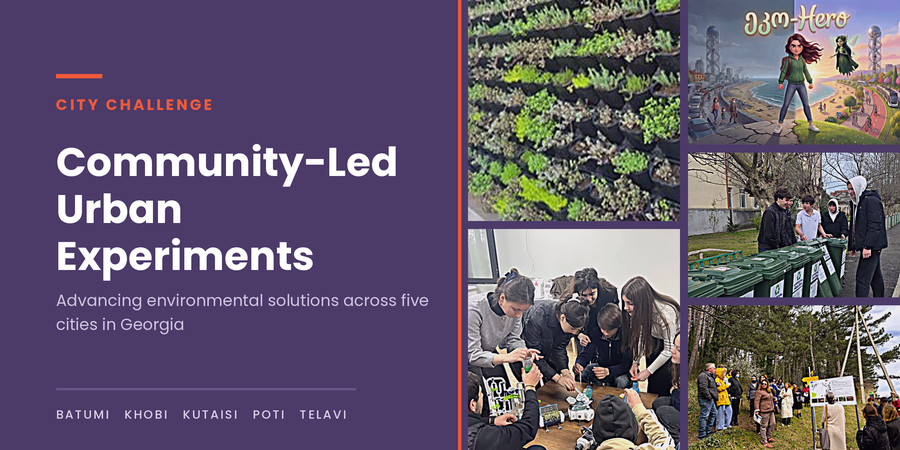
The City Challenge: Eco-Smart Solutions and Innovative Responses to Urban Challenges initiative started by questioning that distance. Instead of asking how to fix complex problems at scale, it focused on something more direct. What happens when these same challenges are brought closer to everyday experience, when people are not just informed about them but given a way to engage with them in practice?
Local teams from Batumi, Khobi, Kutaisi, Poti, and Telavi responded with ideas shaped by their own observations of the city. They did not aim to redesign entire systems. They focused on specific situations where behavior could shift, where something could be tested and showcased rather than explained.
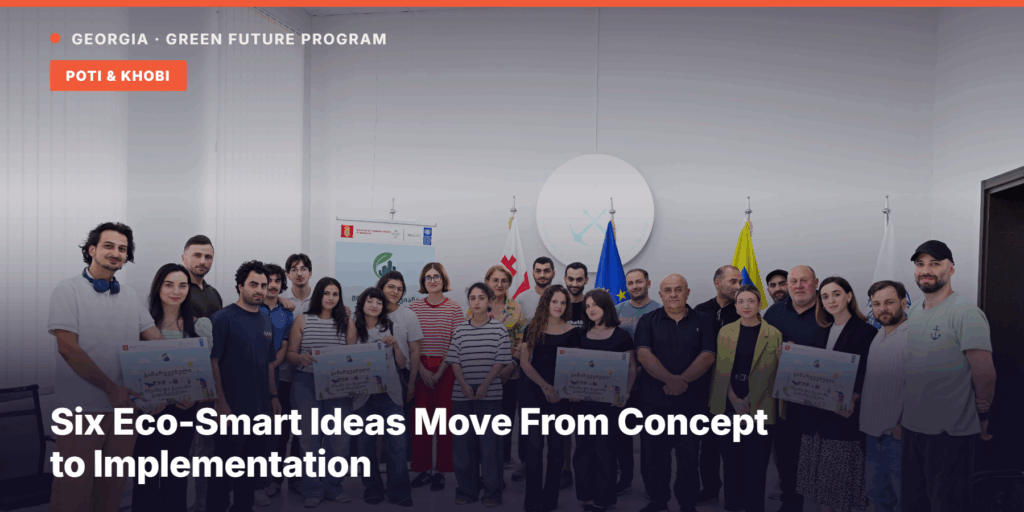
Selected teams took their ideas further and began shaping them into real projects and actual solutions. Over several weeks, they worked alongside mentors, developing small-scale initiatives that community members could see, try out, and respond to. What emerged was not a set of polished solutions, but a series of urban experiments that challenged a basic assumption that meaningful environmental change must start somewhere else. Instead, these initiatives explored what happens when change begins at a much smaller scale, in classrooms, shared spaces, everyday routines, and local urban environments people already move through.
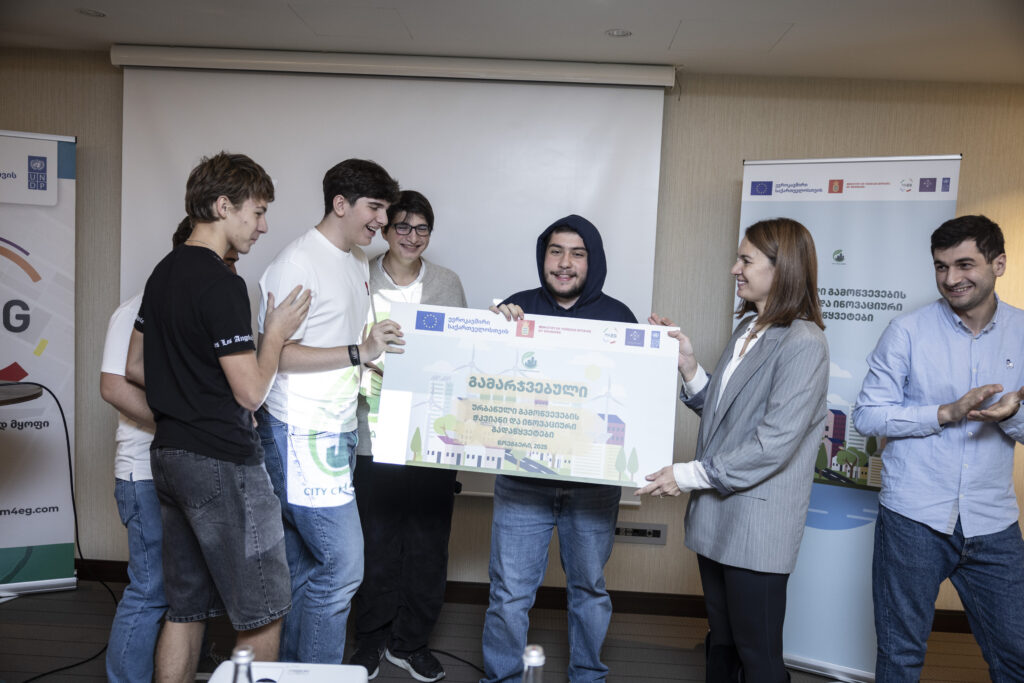
“The presented initiatives were practical and targeted. The participants understood the city’s needs well and proposed realistic, small, but feasible changes. It is important for us that the winning teams not only presented an idea but also well demonstrated ways to implement it,” noted Roni Kvachadze, a member of the jury selecting winning ideas.
The results may appear modest, but they are clear and meaningful. When people can see their impact, work with materials directly, or experience familiar spaces differently, environmental issues stop feeling distant. They become something immediate, something people can respond to, and in some cases, something they begin to take ownership of. What emerged was not a set of final answers, but a series of experiments rooted in ordinary situations and aimed at scaling eco-friendly actions.
Although each team approached a different problem, many of the ideas naturally began to cluster around similar questions and shared urban challenges:
Smart and Green Urban Infrastructure
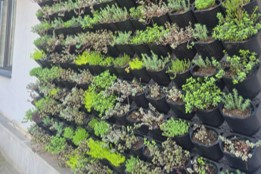
Several initiatives focused on public spaces and explored how greener, more accessible urban environments can change the way people interact with their cities.
In Batumi, the Eco Space, students turned the school environment into a living eco club. They experimented with creating a greener and more functional area where students not only observe greenery but also actively participate in environmental activities and discussions.
In Khobi, local residents worked on improving a shared public area that had long been underused, testing how a more organized and welcoming environment could encourage stronger community interaction and environmental awareness.
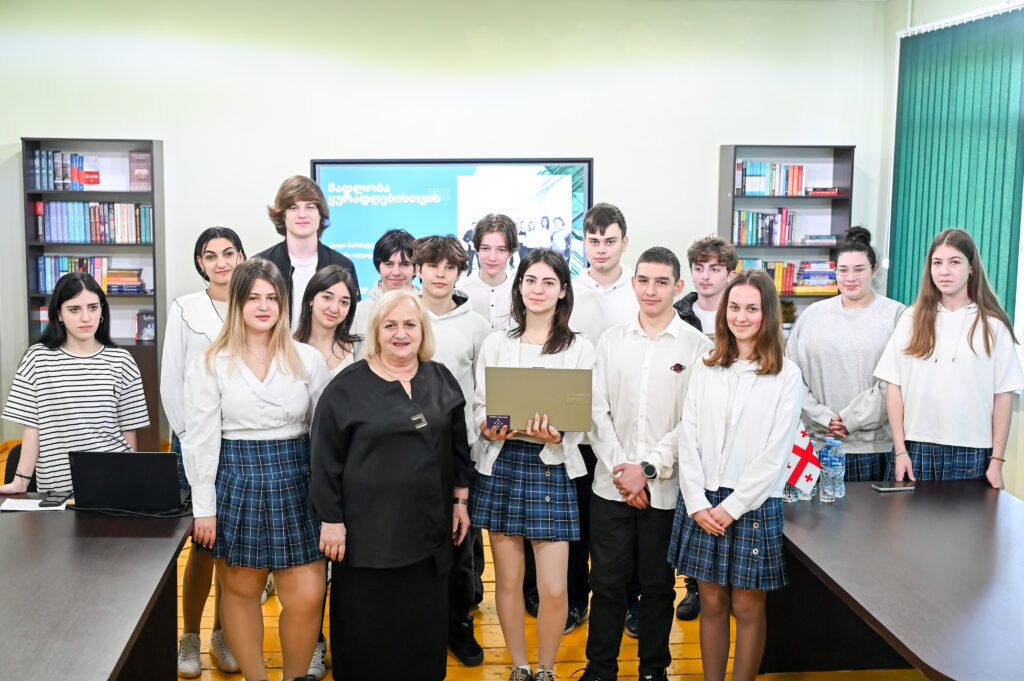
In Kutaisi, another initiative transformed a college yard into a working example of sustainable urban practices – Eco-Smart Space, encouraging learning, interaction, and outdoor activities. Students from the local college were actively engaged in co-creation of this urban lab.
“Change begins the moment you become part of the process. Installing solar panels made me realize the kind of city I want us to live in—eco-friendly and innovative. The college yard pilot has shown that this is possible,” explained Luka, a local student of electrical engineering and microelectronics.
Youth Engagement, Environmental Awareness and Behavioral Change
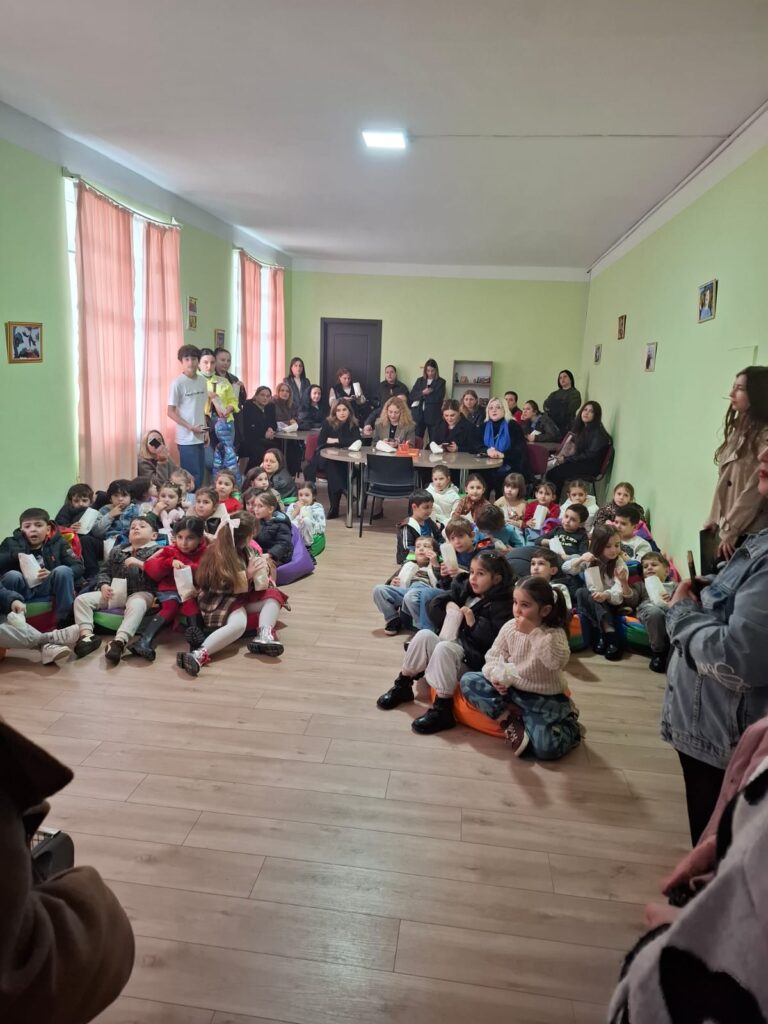
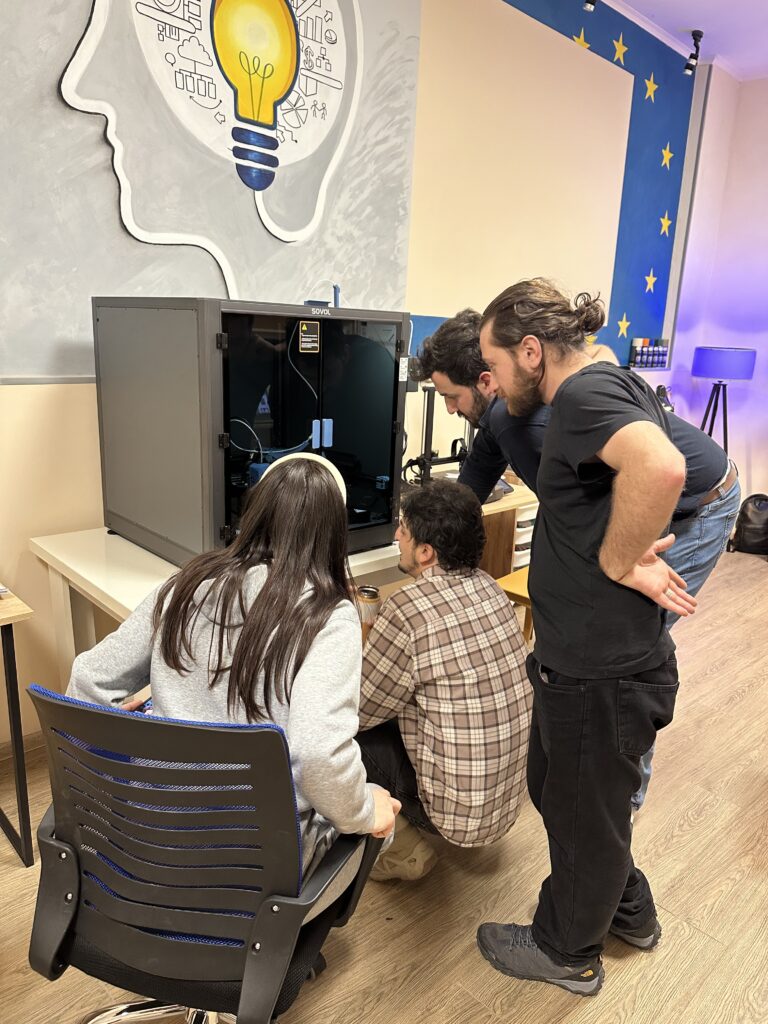
Several initiatives explored what happens when young people move beyond environmental awareness in theory and become active participants in shaping ideas, spaces, and everyday habits.
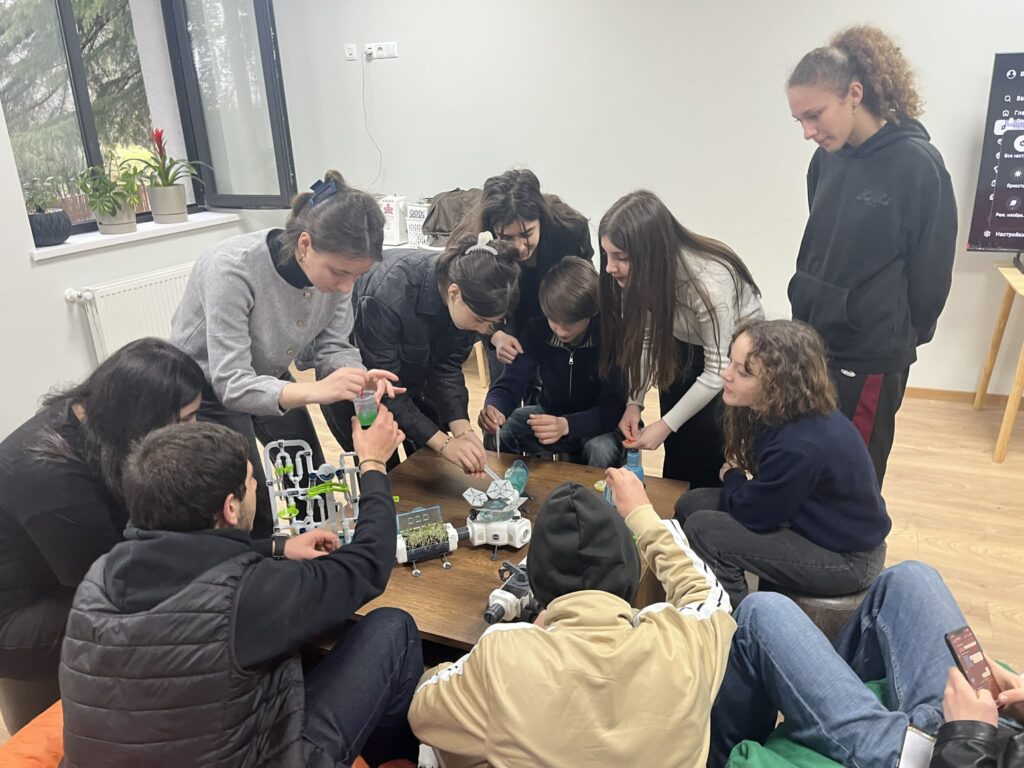
The Innovators Hub in Poti explored how collaborative learning and access to technology can encourage young people to engage more actively with innovation and environmental problem solving. Inside a student-led STEM space created at the 4th Public School, students and teachers came together through discussions, collaborative activities, and hands-on exercises rather than traditional lectures alone. The initiative encouraged participants to explore environmental responsibility, sustainable development, and everyday consumption habits through practical experimentation and shared learning experiences.
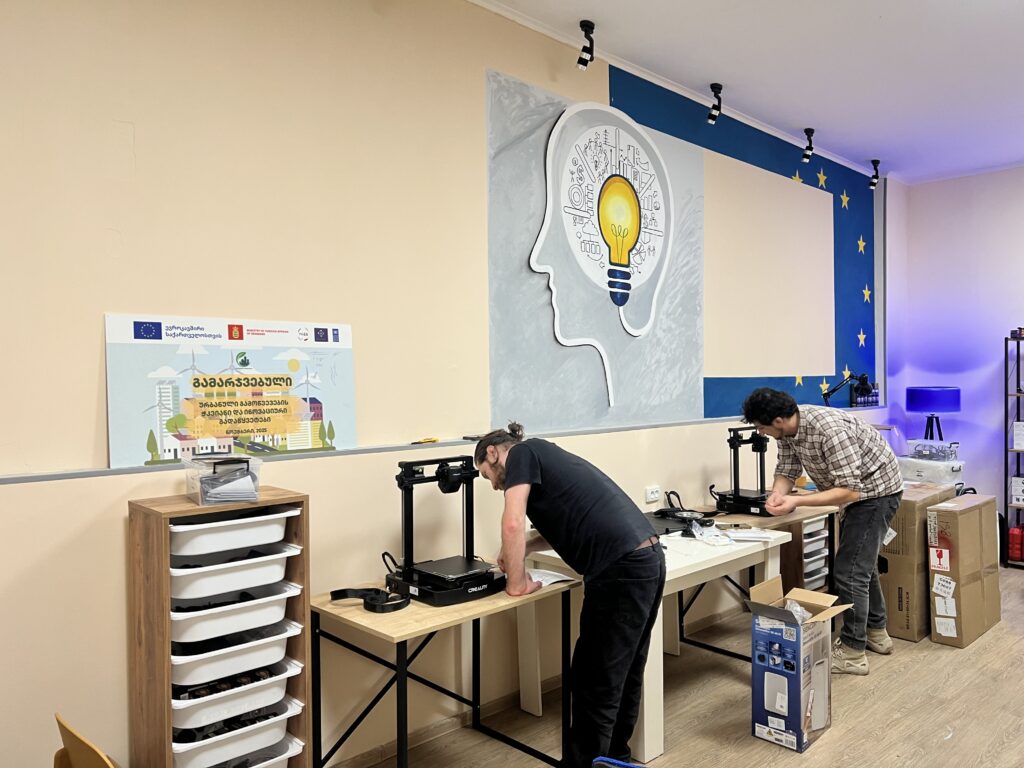
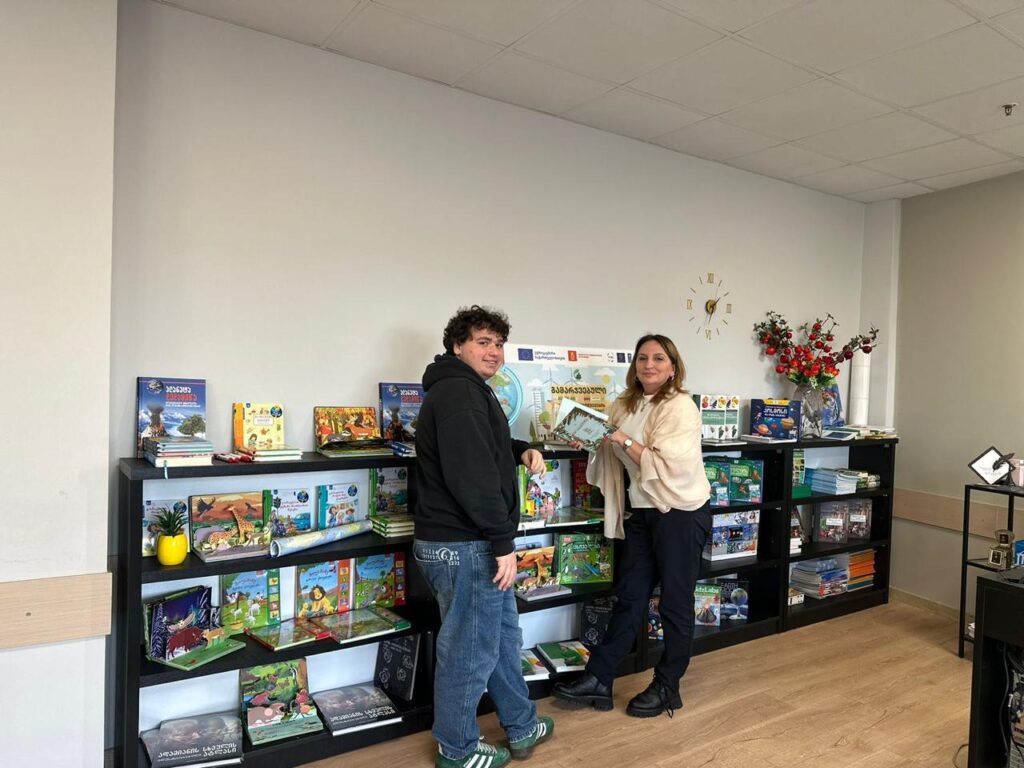
Another Poti-based initiative, EcoGuli, approached recycling through direct experience rather than explanation. Inside a small space near the city library, students experimented with 3D printing, prototyping, and circular economy ideas, learning how discarded materials can become new products and designs.
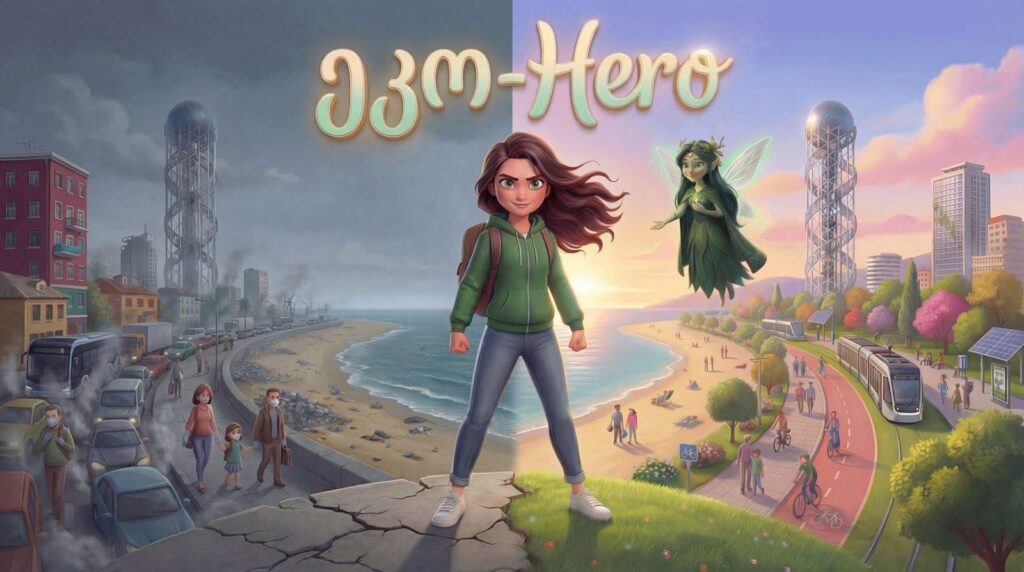
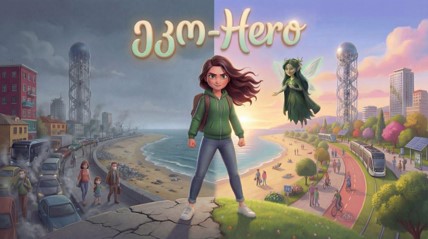
In Batumi, Eco Hero experimented with a different approach to environmental awareness by combining animation and storytelling. Instead of relying on formal campaigns, the team created an animated eco-hero designed to make environmental issues more relatable for younger audiences and encourage small everyday actions to address those. The animation is now screened in schools across Batumi and was broadcasted on Adjara Public Broadcaster, helping the project reach audiences beyond the initial activities.
“I liked that the hero wasn’t a superhero with special powers. Her power is knowledge and awareness,” said Salome, an 8th grade student from Batumi.
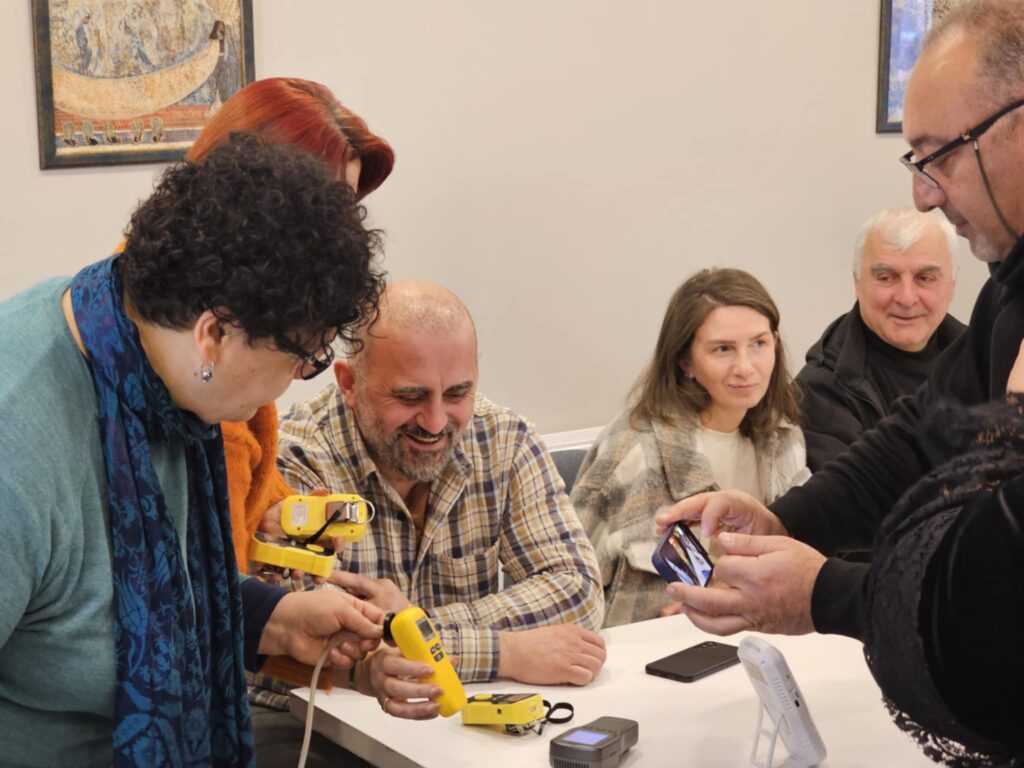
In Kutaisi, A City That Breathes Clean focused on air quality, an issue people often discuss but rarely experience directly. By combining monitoring tools with educational sessions, the initiative helped participants to connect pollution to everyday habits and understand how to reduce a negative impact on local environmental conditions.
“I had no idea that fireworks could contribute to air pollution,” one student explained after attending the discussions.
Meanwhile, the student-led Cinema Club at the 5th Public School in Poti explored how shared cultural spaces can encourage young people to engage more openly with social, environmental, and community issues. Students transformed an unused school area into a space for film screenings, discussions, and informal gatherings, where movies became a starting point for conversation rather than passive viewing. Alongside Georgian cinema, the club introduced films connected to sustainability, urban life, and social topics, encouraging students to reflect, disagree, and exchange ideas more freely.
Innovative Waste Management
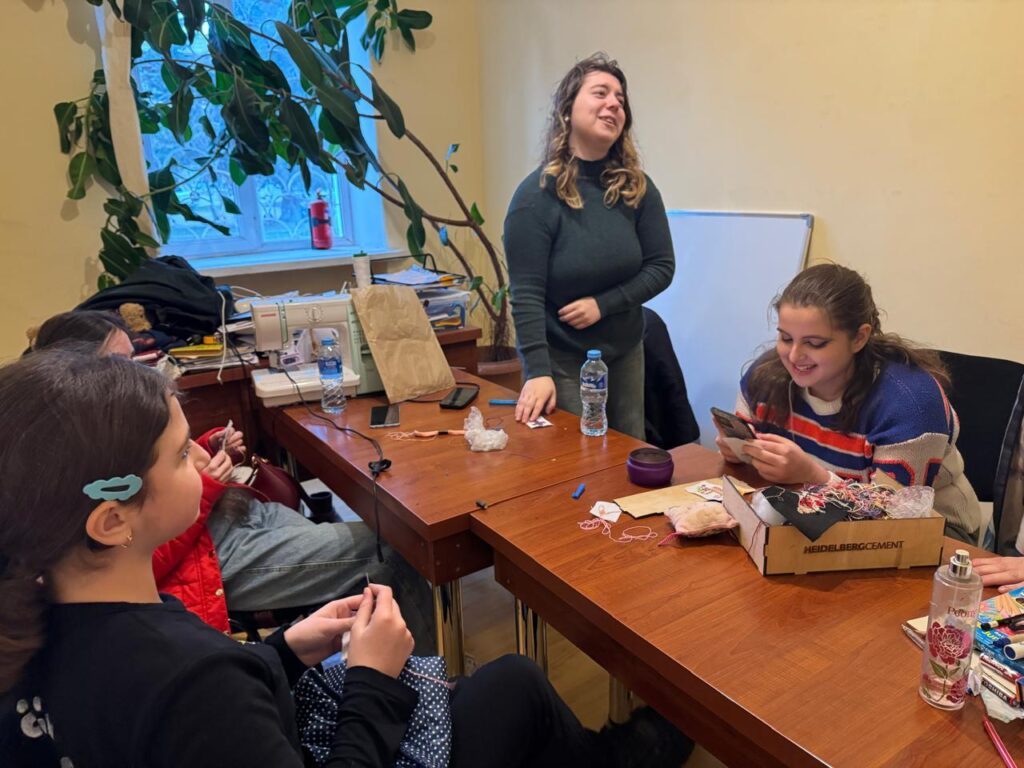
Several initiatives experimented with new ways of making recycling, reuse, and waste collection more visible and connected to everyday behavior.
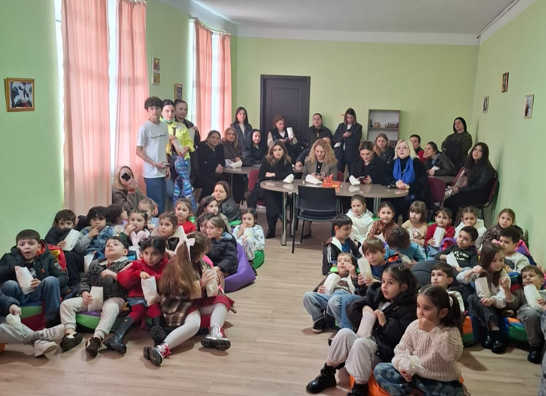
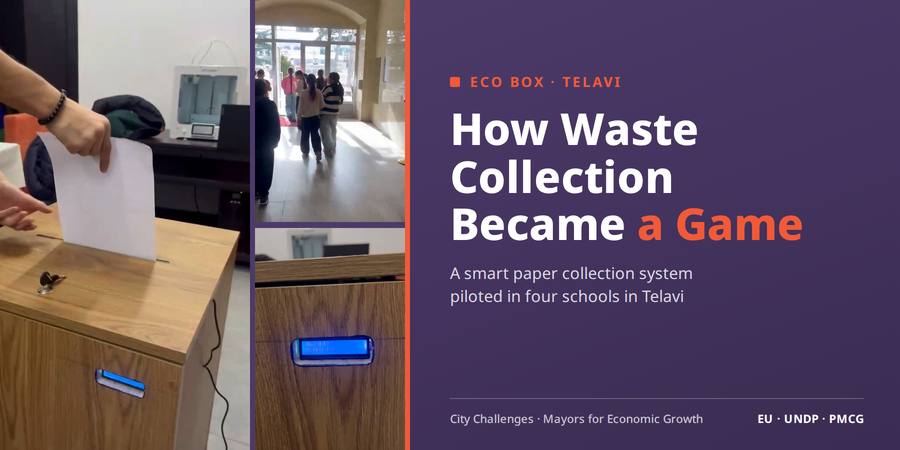
In Telavi, EcoBox transformed paper recycling into an interactive school activity. Using a smart collection system that tracked the amount of collected paper and displayed results through shared rankings, the project turned a routine task into something competitive, that students could follow together and actively participate in.
“Now collecting paper is more interesting because everyone wants to earn more points,” one student shared.
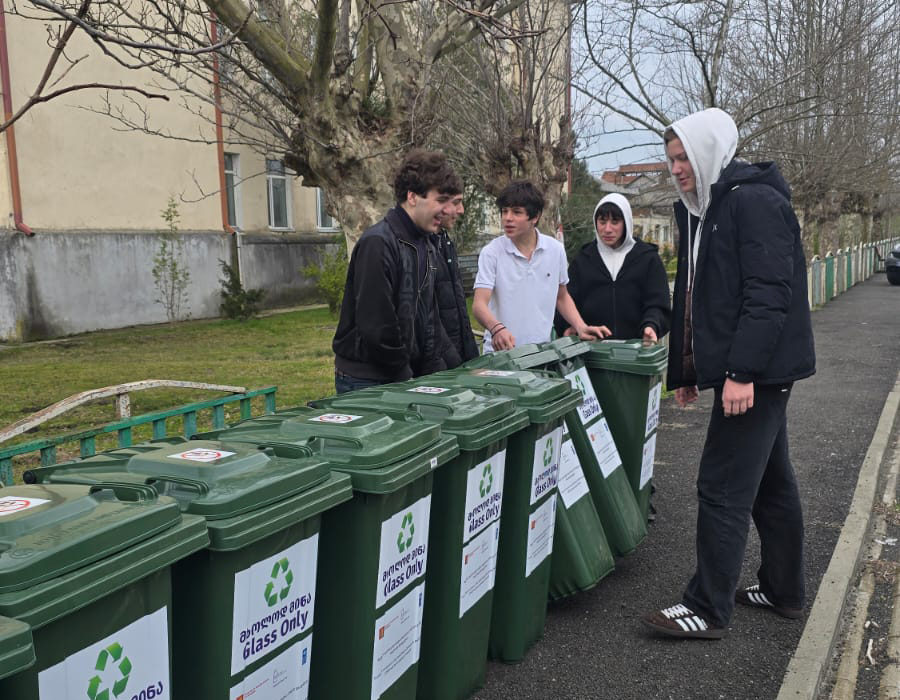
In Poti, Smart Recycle tested practical approaches to waste separation and recycling awareness, encouraging residents to rethink everyday disposal habits and engage more actively in recycling practices.
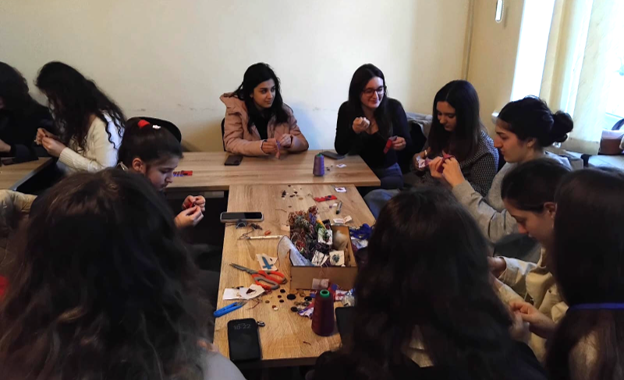
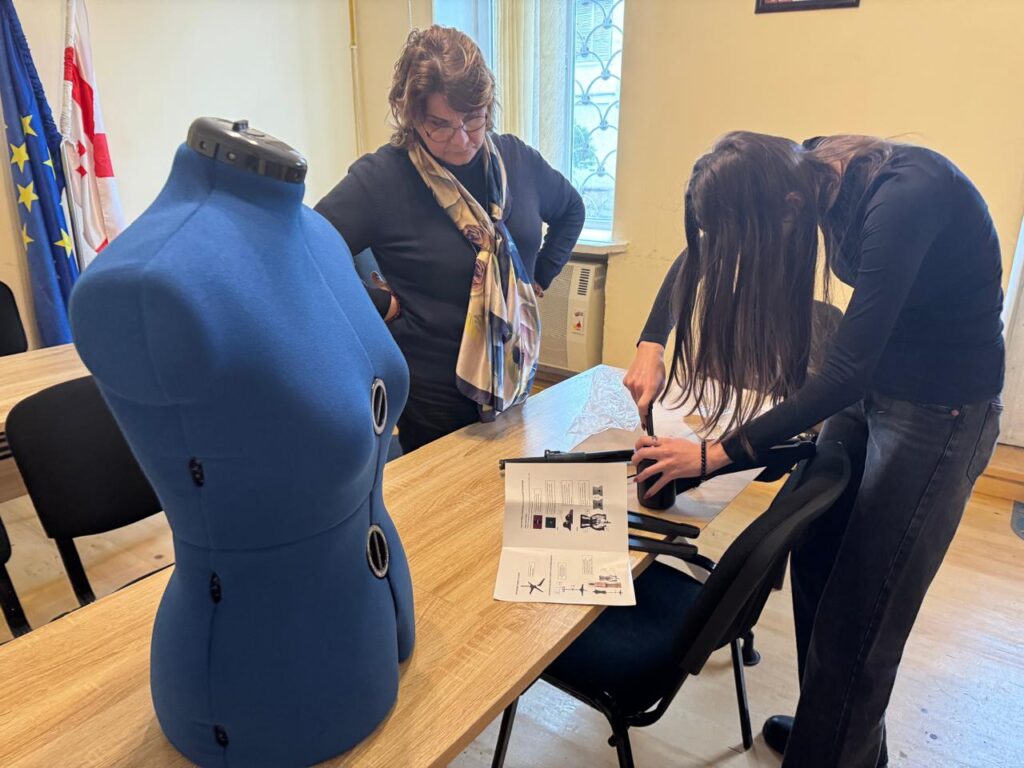
Another Poti initiative, Ariadne, focused on textile waste and overconsumption. Through sewing and redesign workshops, participants experimented with transforming old clothing into new items, while also rethinking how quickly everyday materials are discarded.
“Ariadne completely changed the way I look at sewing,” one participant explained.
Together, these projects explored how environmental responsibility becomes more meaningful when people physically participate in the process instead of only hearing about sustainability in theory.
Smart Solutions
Some projects explored more technology-driven approaches to environmental challenges and sustainable urban development.
In Batumi, Energo-Step experimented with transforming steps into energy and demonstrating this smarter urban practice to encourage more sustainable thinking around everyday energy use across the city.
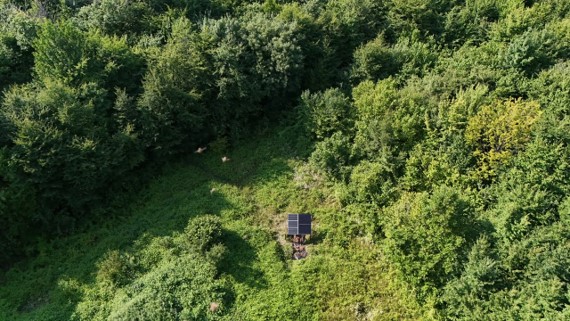
In Telavi, Living Ravine explored how an energy-efficient early warning system could become part of everyday urban life, transforming the ravine into a living learning space where environmental risks can be observed and understood. Rather than treating the ravine as a forgotten area, the initiative reimagined it as a space with environmental and educational – reconnecting people with a landscape that is part of the city’s identity.
Sustainable Urban Tourism
Several initiatives explored how tourism can become more connected to local identity, environmental awareness, and everyday urban experience.
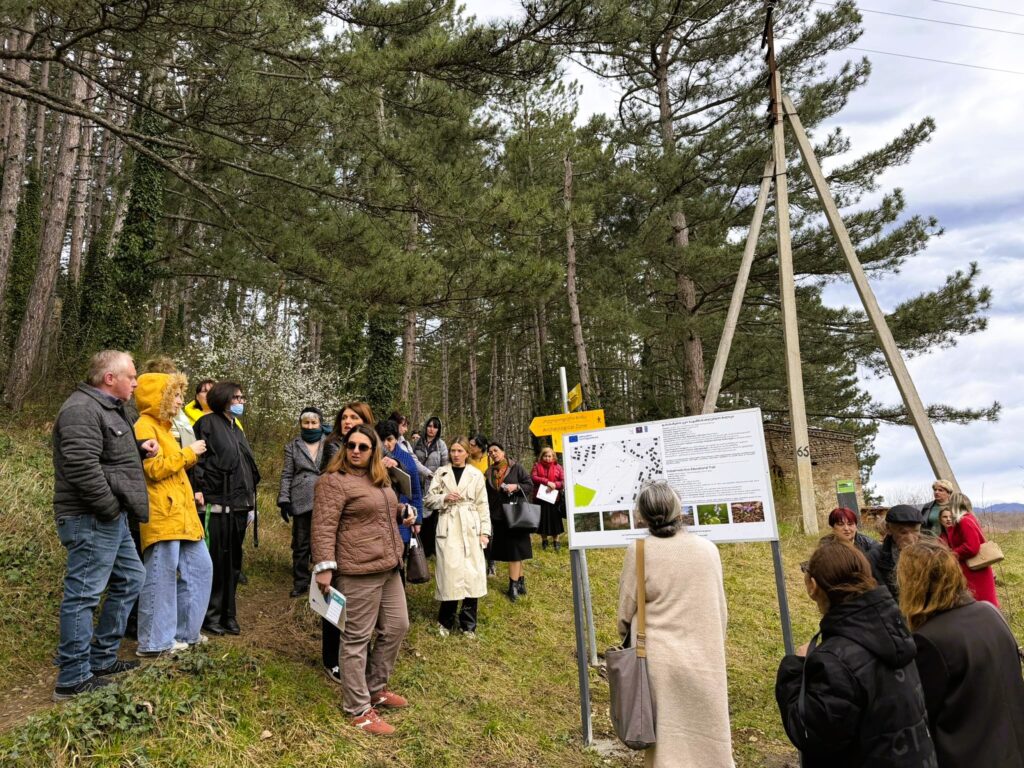
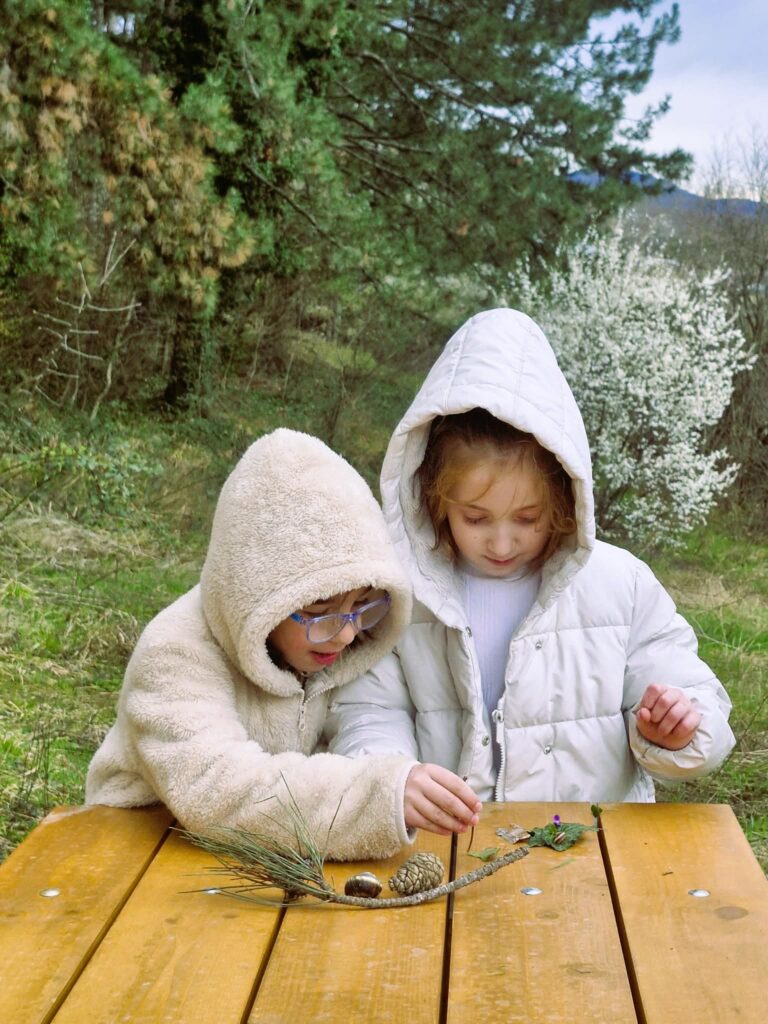
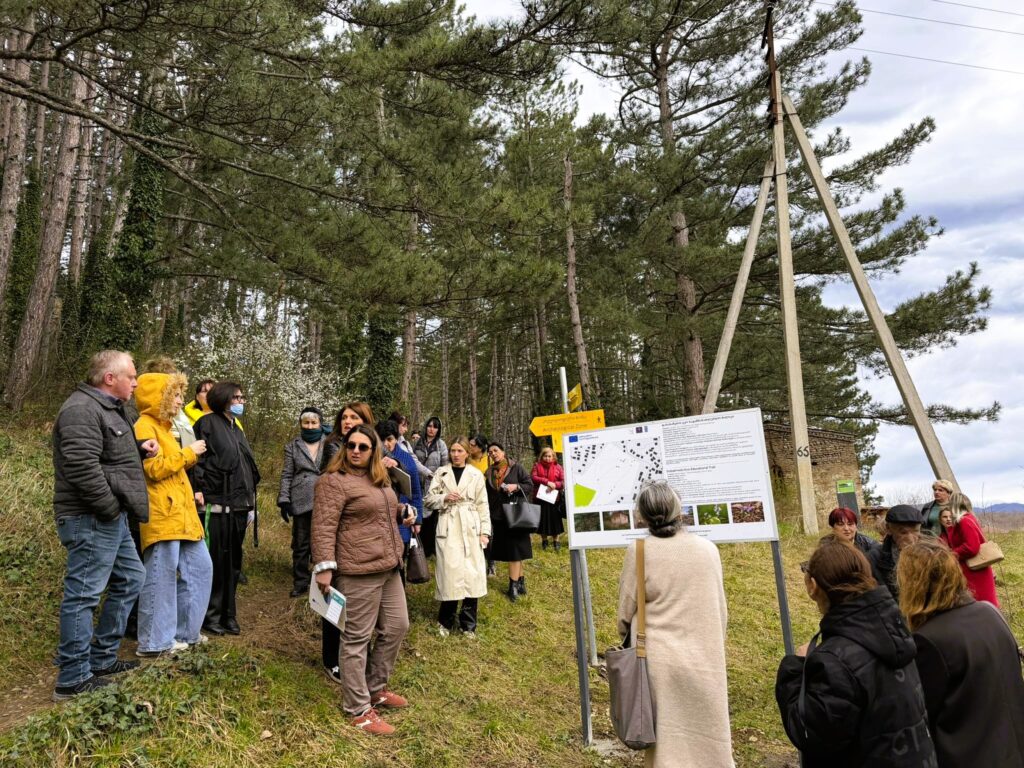
In Telavi, Eco Tell transformed Dabakhnebi Hill into an eco-educational route with interpretive signs, learning spaces, and recreational infrastructure that helps visitors and educators experience the area differently.
“It is a pleasant environment. I had never actually been here and did not know we had such beauty within the city. I had heard about it, but now I saw it with my own eyes. I will gladly include this field resource in both the formal and informal parts of my teaching,” said Fatman Otarashvili, a teacher at the 4th Telavi Public School.
In Poti, Argonauts AI introduced an interactive AI-based tourist guide designed to help visitors explore the city through storytelling, local history, and real-time recommendations. Rather than offering static information, the platform experimented with making urban exploration more interactive and personalized.
“Argonauts helped us discover places we would never have found on our own,” noted one visitor after using the platform.
What connects these initiatives is not their scale, but the way they approach change and learn. None of the teams waited for perfect conditions or large investments before acting. Instead, they tested their small eco ideas in real environments: schoolyards, libraries, hillsides, workshops, classrooms, and public spaces people pass every day.
All of these projects asked the same underlying question: what happens when local residents are given the tools and trust to respond to challenges themselves? The answers did not appear through drastic transformations but through smaller shifts having system wide effects – students starting to see waste differently, teachers rethinking how they use outdoor spaces for education, young people connecting technology with environmental action, and communities beginning to reimagine urban sustainability and recognize the potential in places they had long overlooked.
City Challenge: Eco-Smart Solutions and Innovative Responses to Urban Challenges, designed as part of the EU-UNDP “Mayors for Economic Growth” project and implemented in partnership with PMCG. The City Challenge is both a learning and practical journey designed to engage urban residents in developing innovative solutions to pressing urban challenges, demonstrating that meaningful urban change often begins with small-scale initiatives and informed community action.
This article has been produced with the assistance of the European Union (EU) and the United Nations Development Programme (UNDP) under the M4EG project, and with the assistance of UNDP and Government of Denmark under the Greening the Future initiative. Its content is the sole responsibility of the Policy and Management Consulting Group (PMCG) and do not necessarily reflect the views of the EU, UNDP and Government of Denmark.
Success Stories: