Value Chain Development for Armenian Farmers


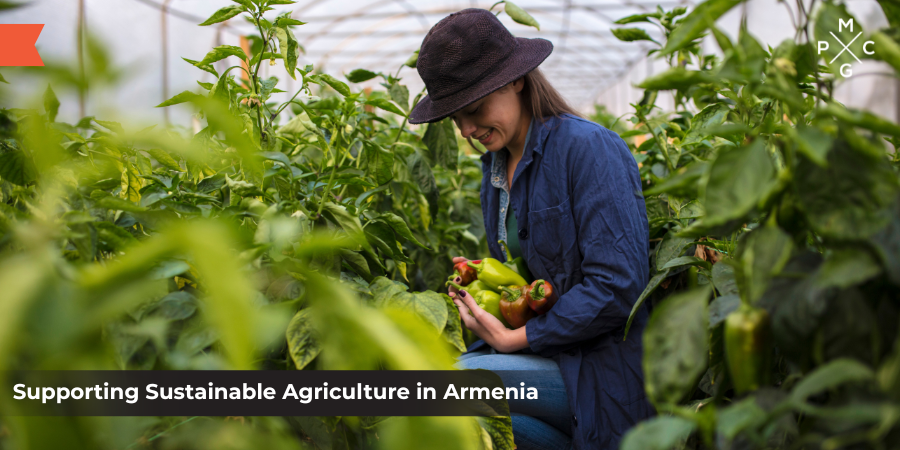
PMCG is implementing the Strengthening Agricultural Value Chains in Armenia project. Commissioned by the Environmental Project Implementation Unit (EPIU) under the Ministry of Environment of Armenia, the initiative focuses on improving efficiency, resilience, and inclusiveness in agricultural systems. It promotes stronger participation by women and youth in targeted rural communities.
PMCG works closely with EPIU across all project activities. The team conducts value chain mapping and market analysis to identify gaps and opportunities for farmers and agribusinesses. Experts also carry out gender and social assessments to support inclusive outcomes. Based on these findings, the project team develops improvement strategies and practical business plans that follow international best practices.
Value Chain Development Training in Sisian and Tumanyan
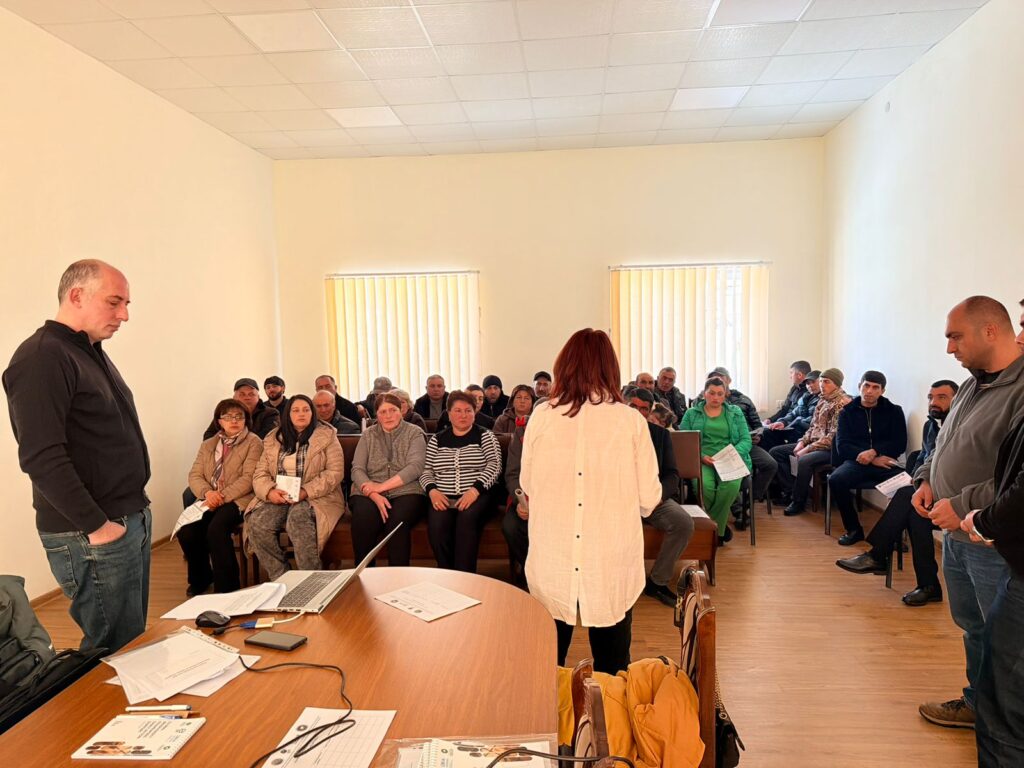
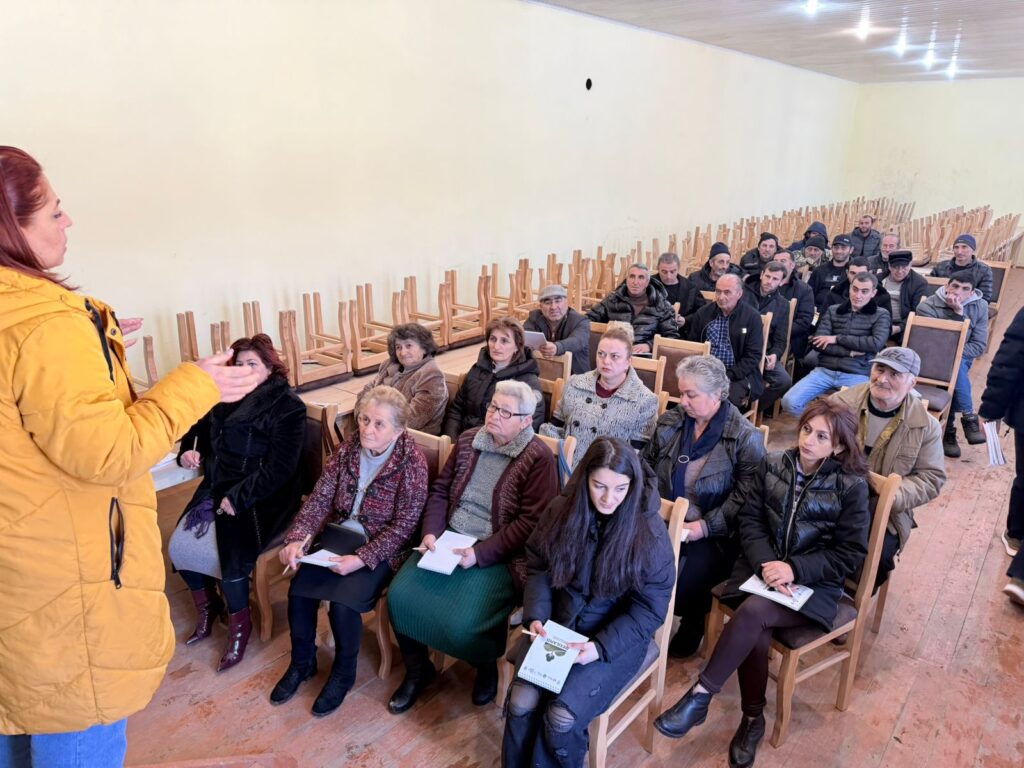
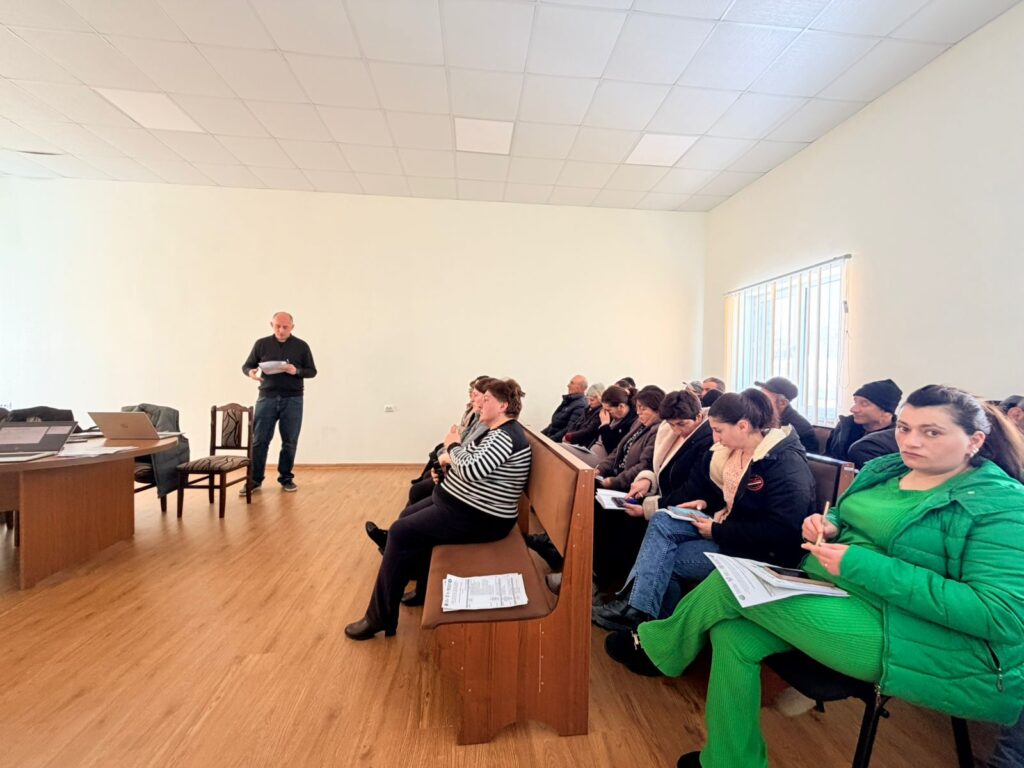
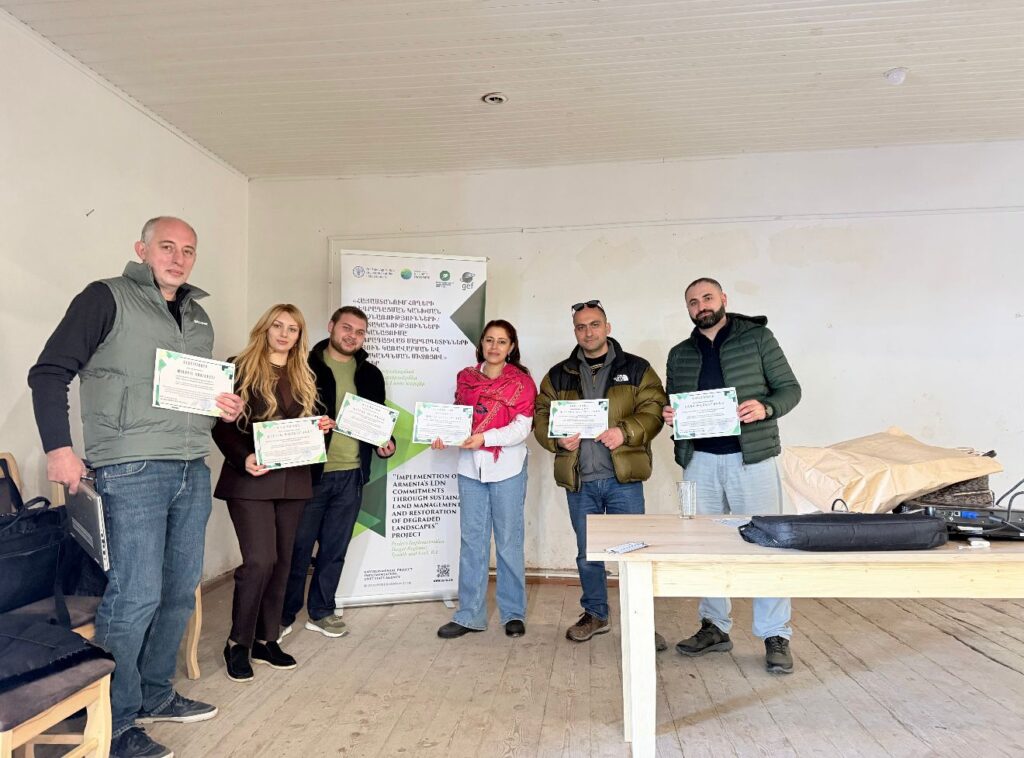
As part of the project activities, a value chain development training program was delivered to farmers in the Sisian and Tumanyan municipalities between 2 and 5 March 2026. The international value chain development expert visited several villages and worked closely with the national value chain expert and the EPIU team.
Before the field visit, the expert prepared specialized training modules designed to strengthen local knowledge and practical skills. The training sessions introduced participants to key value chain concepts, market dynamics, and competitiveness. Farmers also explored different types of value chains and the role of support services and enabling environments in improving agricultural performance.
The sessions included practical exercises that encouraged participants to analyze their own agricultural value chains. Farmers discussed production processes, market access, cost structures, and opportunities for value addition. These activities helped participants identify concrete actions that can increase productivity and improve market opportunities.
Practical Tools and Inclusive Approaches
The value chain development training also focused on governance models and cooperation among market actors. Farmers learned about producer driven and buyer driven governance structures, as well as hybrid models that combine different approaches. Examples of agricultural cooperatives, business clusters, and associations were presented to illustrate successful international practices.
A strong emphasis was placed on inclusive value chains. The training addressed gender constraints and explored ways to strengthen the role of women and youth in agricultural production and business activities. Participants discussed empowerment strategies and methods for improving collaboration and trust among value chain actors.
Financial aspects were another important topic. Farmers received guidance on financial products such as loans, grants, and investment opportunities. Experts also explained risk management strategies and approaches for linking smallholder producers with formal financial services.
Building Sustainable Agricultural Value Chains
The value chain development training further covered strategies for upgrading and sustaining agricultural value chains. Participants explored product and process improvements, quality standards, certification, and branding. Environmental sustainability also played a key role, with discussions on resource efficiency and waste reduction.
The training concluded with guidance on monitoring and evaluation tools that measure economic, social, and environmental performance. These tools help farmers and local stakeholders track progress and make informed decisions.
Through this value chain development training, farmers in Sisian and Tumanyan gained practical knowledge and tools to strengthen local agricultural systems. The initiative supports more competitive, inclusive, and sustainable value chains across Armenia’s rural communities.
Featured Project