Establishing Sustainable Waste Fee Systems in Georgia


Effective waste management continues to be a major challenge for municipalities across Georgia. Limited financial mechanisms, outdated disposal practices, and insufficient infrastructure hinder the development of sustainable systems capable of protecting the environment and supporting long-term regional growth. These challenges highlight the need for clear regulatory frameworks, fair tariff structures, and strengthened institutional capacities.
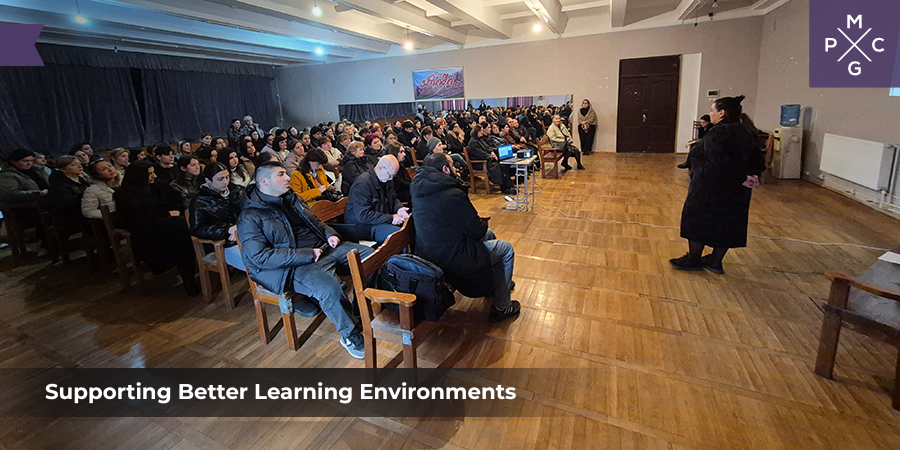
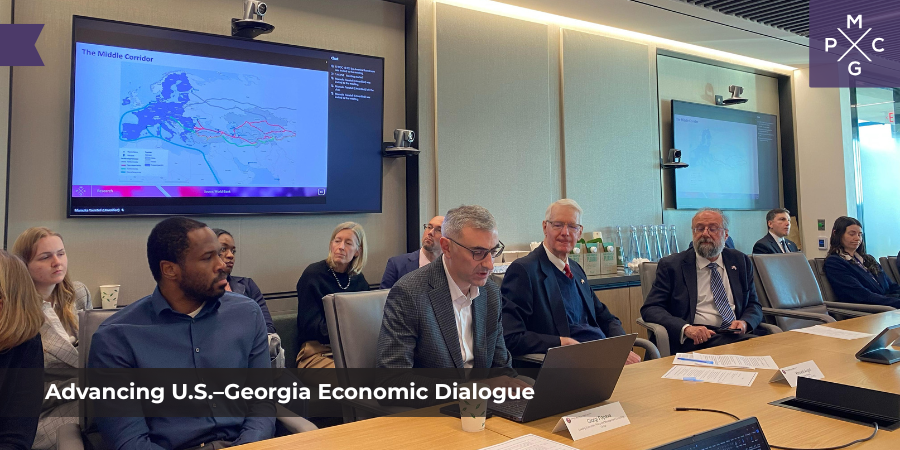
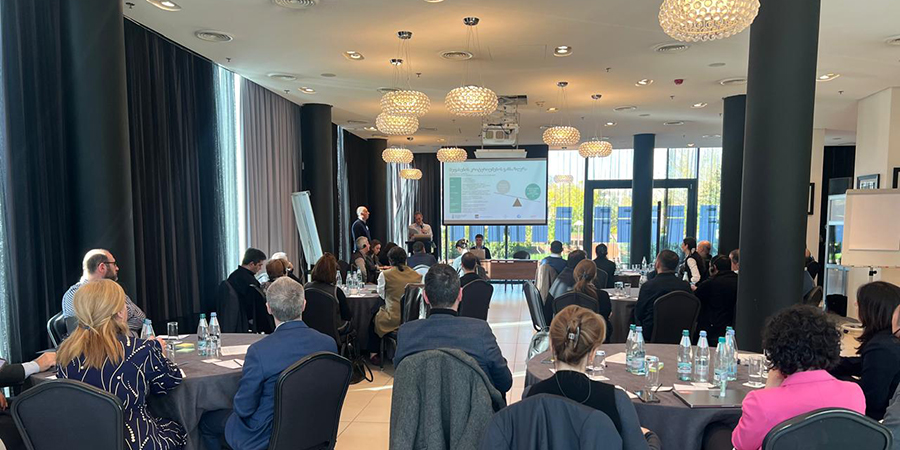
The Ministry of Environmental Protection and Agriculture of Georgia, through the Solid Waste Management Company of Georgia (SWMCG), recently held a working meeting focused on the introduction of the gate fee and waste fee within the framework of the Integrated Solid Waste Management Program II. The workshop brought together key public institutions, experts, and partner organizations to discuss feasible financial models, regulatory approaches, and practical steps that municipalities can adopt. PMCG actively contributed to the discussions based on the work conducted throughout the past 5+ years by a team of international and national experts. Key inputs included the calculation models, analytical insights, international best practices, and policy recommendations aimed at shaping effective and transparent fee mechanisms.
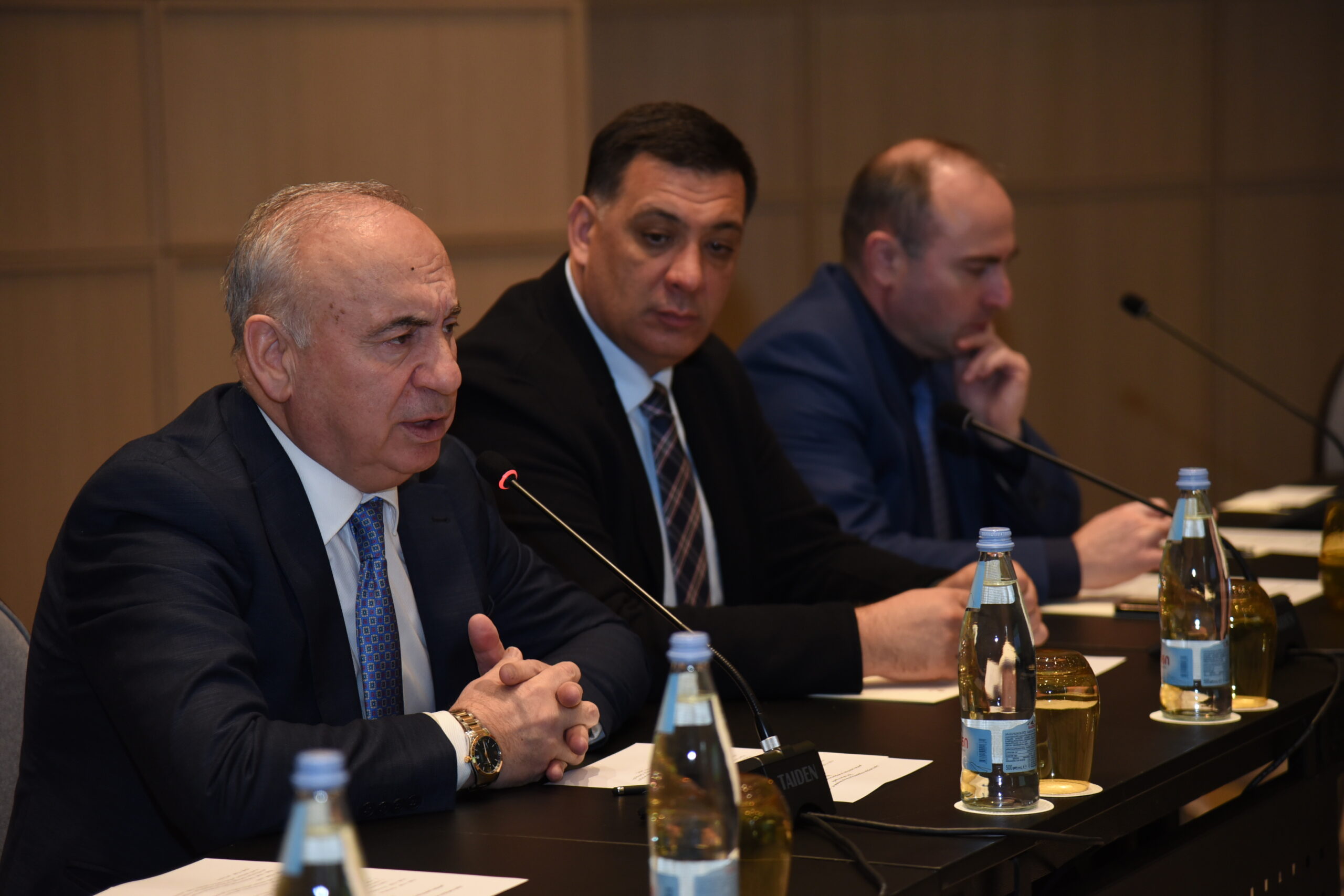
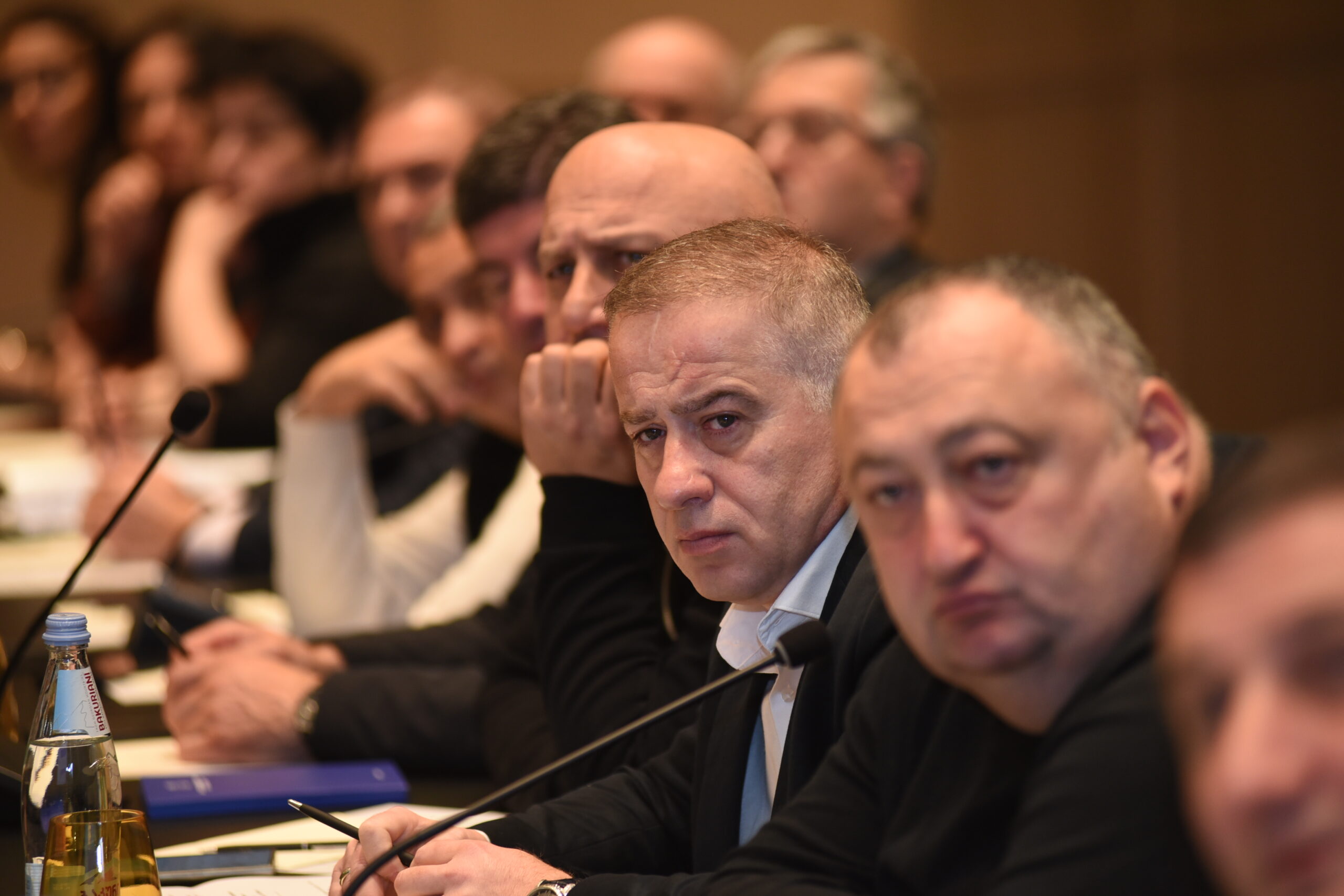
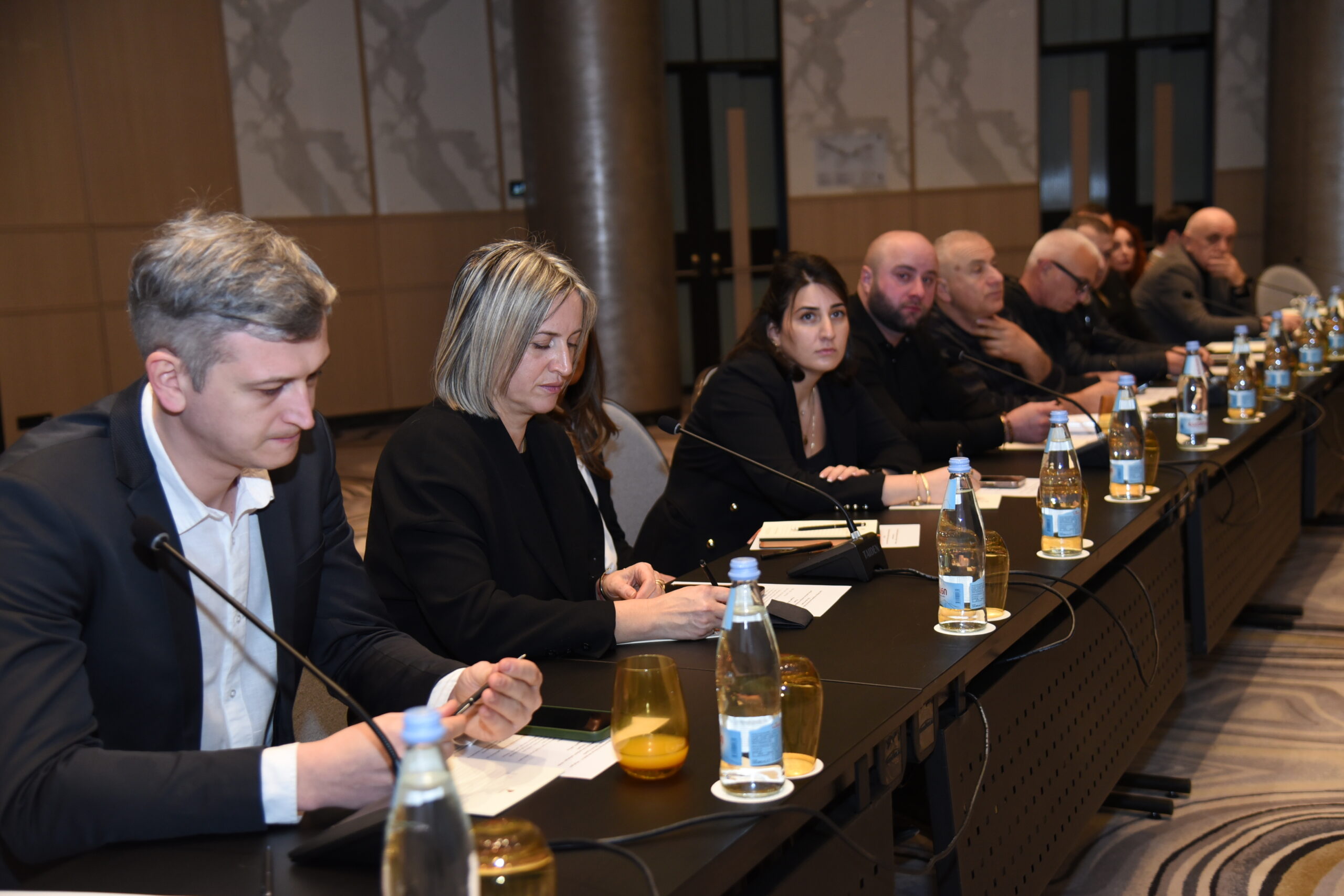
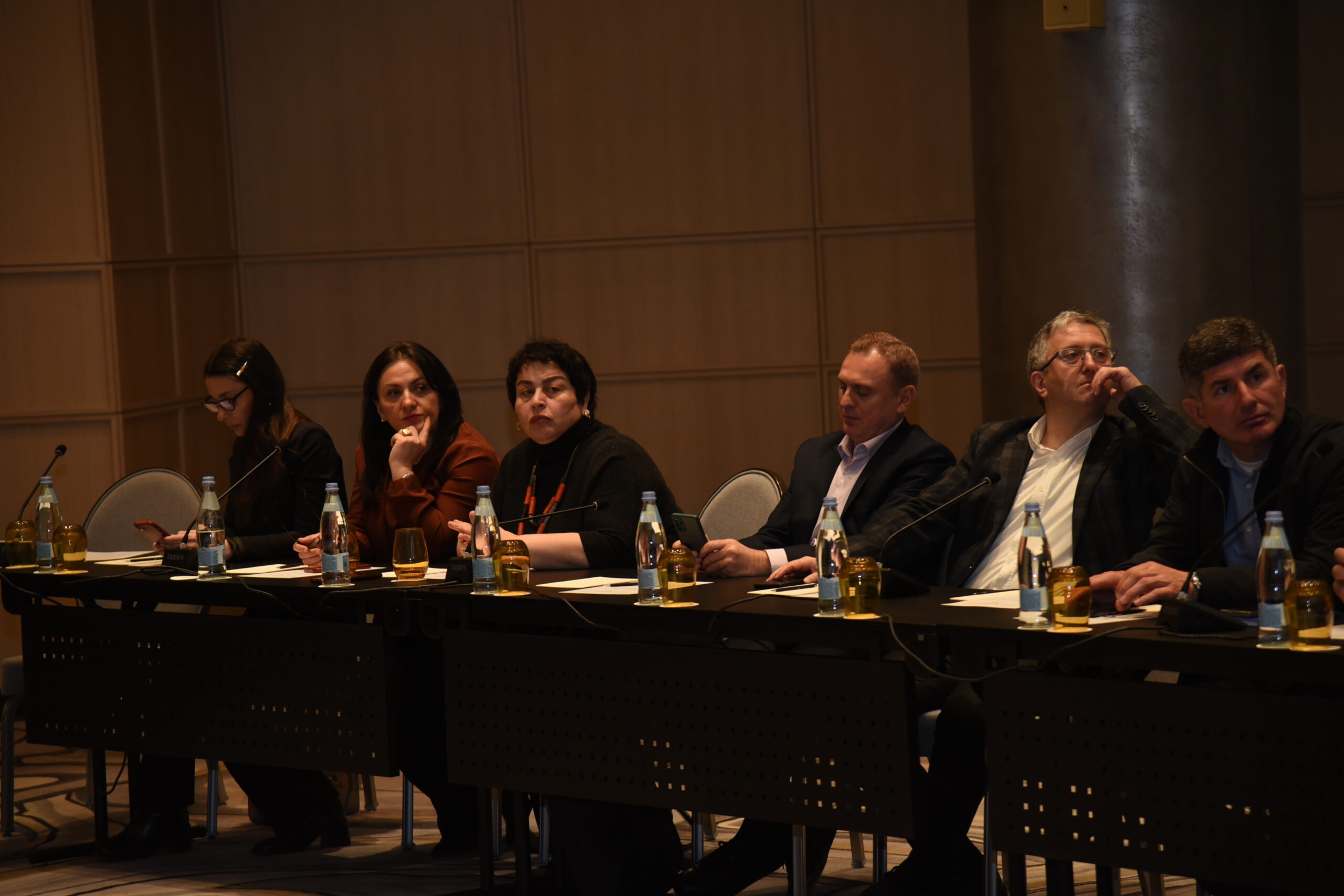
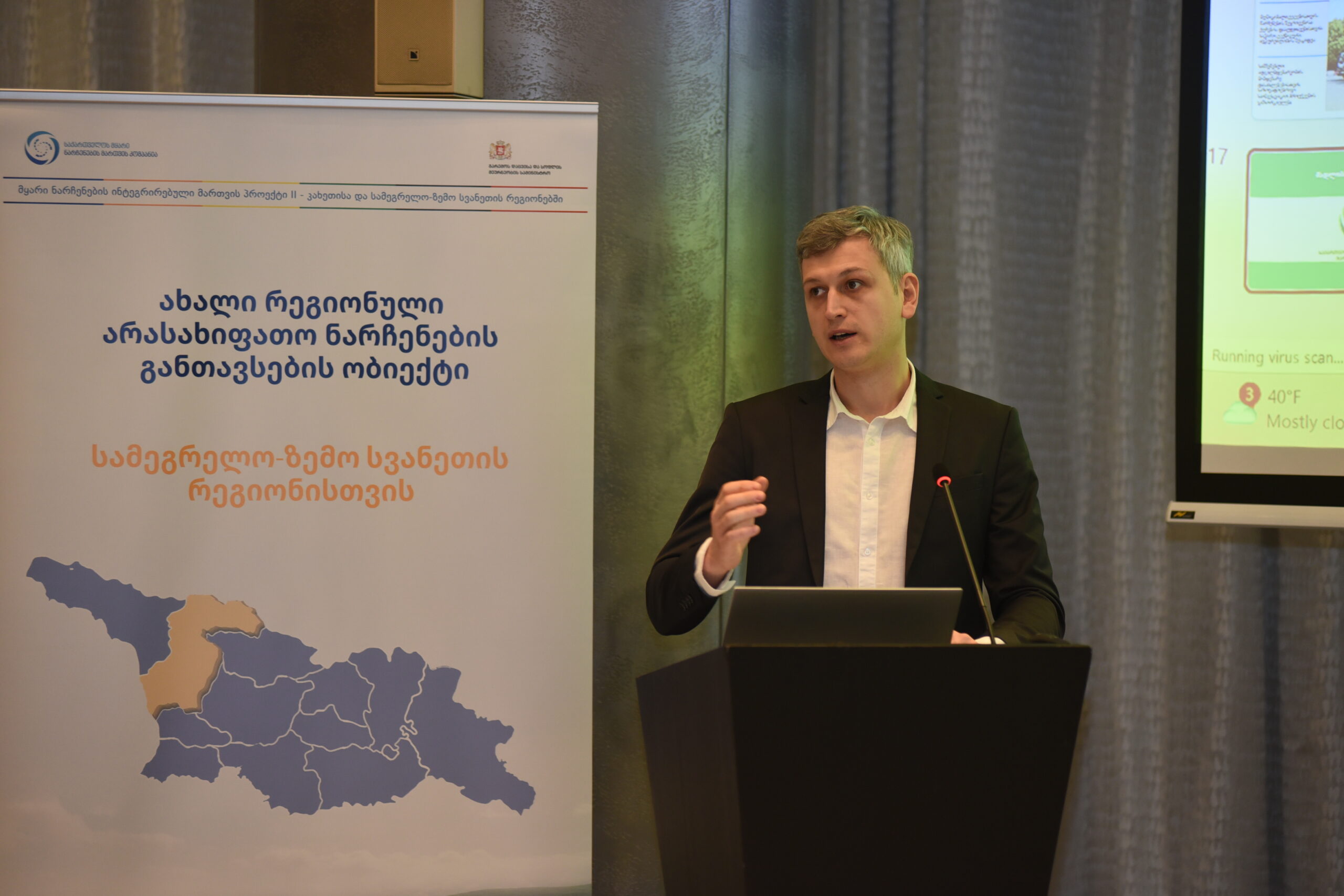

Integrated Solid Waste Management Program II is supported by KfW. The program includes developing new regional non-hazardous waste facility, equipping municipalities with modern waste collection and street-cleaning machinery as well as providing Technical Assistance to the SWMCG and target municipalities. Through the joint efforts of Fichtner GmbH & Co. KG (lead), Paseco, and PMCG, the program strengthens Georgia’s progress toward a cleaner, safer, and more sustainable waste management system—helping municipalities to move from fragmented practices to long-term, solution-driven approaches.
Featured Project