From Waste to Resource: Georgia Takes the Next Step Toward Producer Responsibility
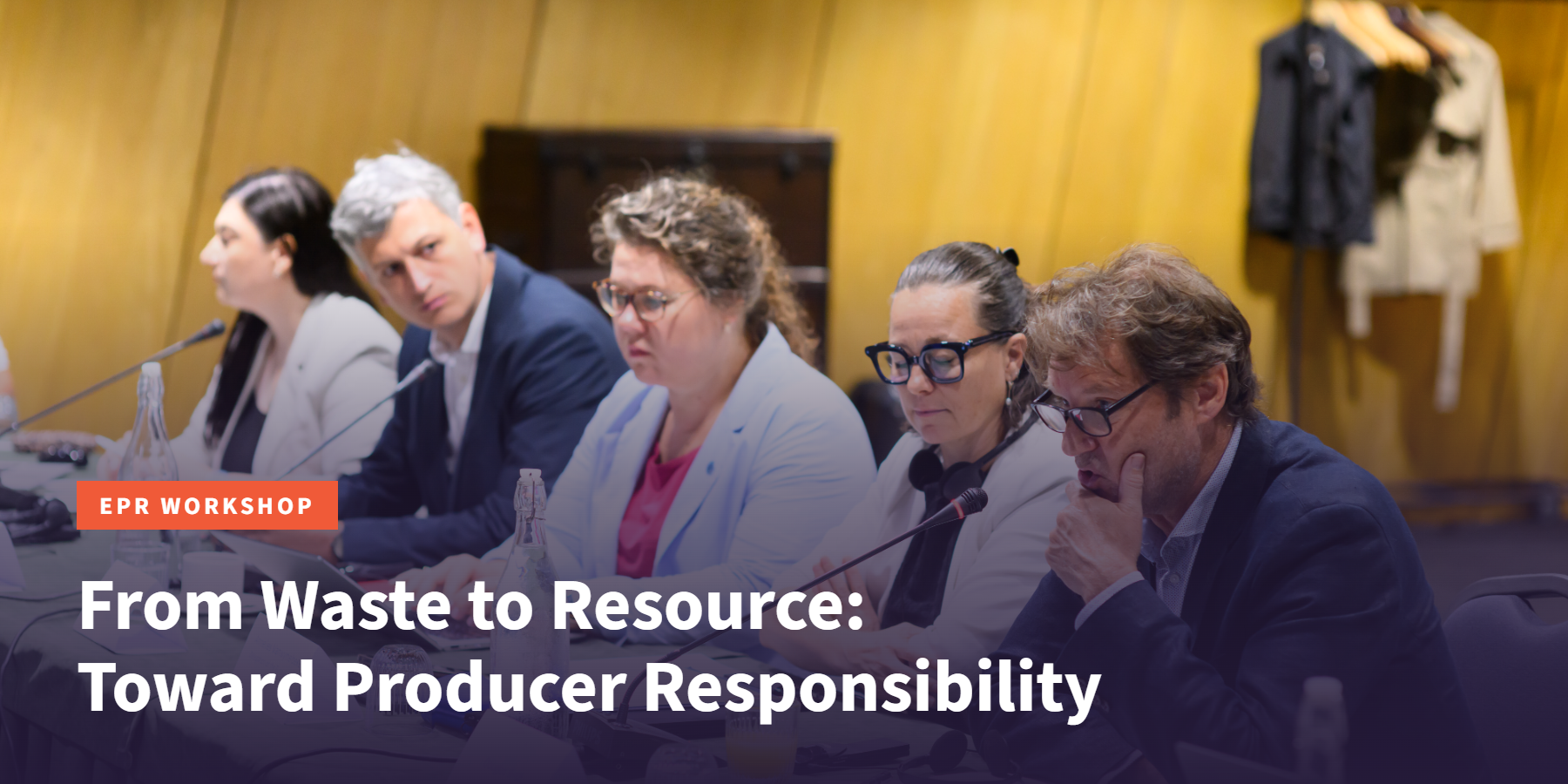

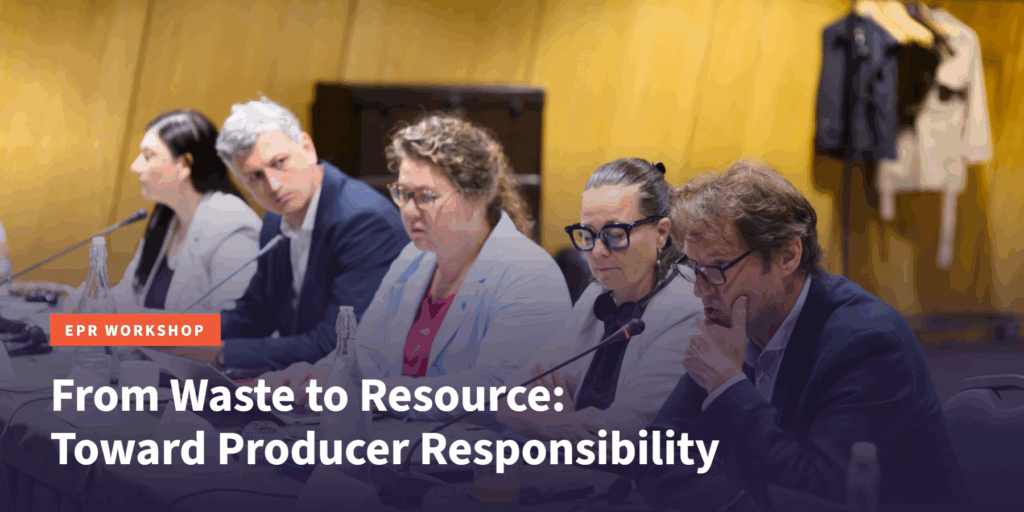
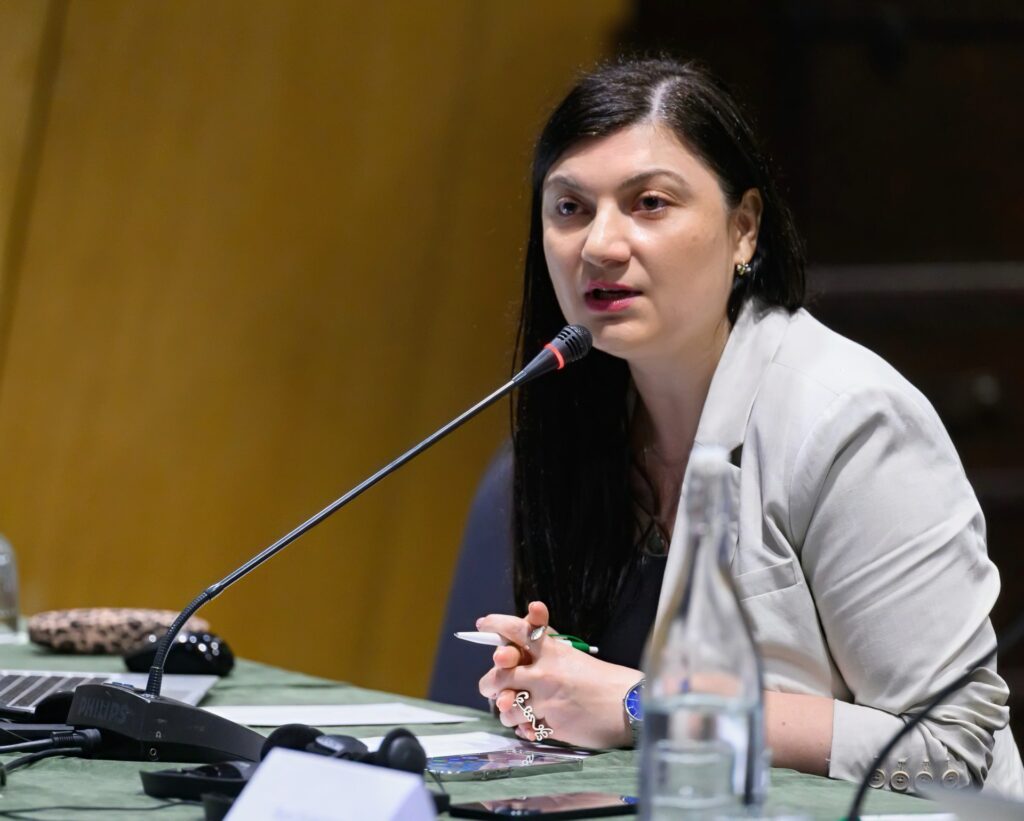
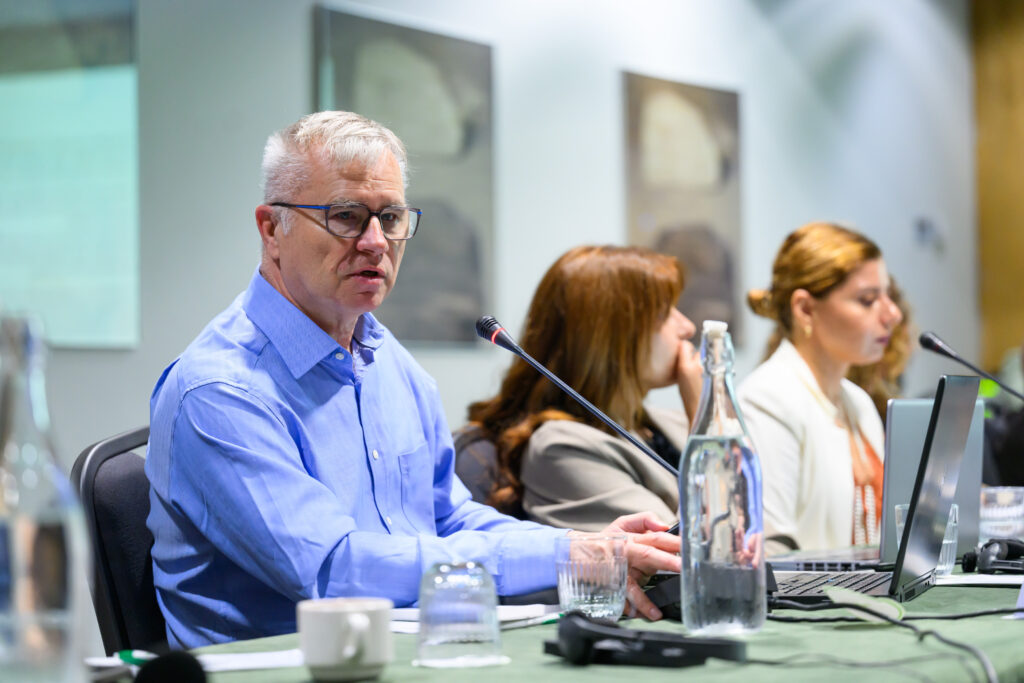
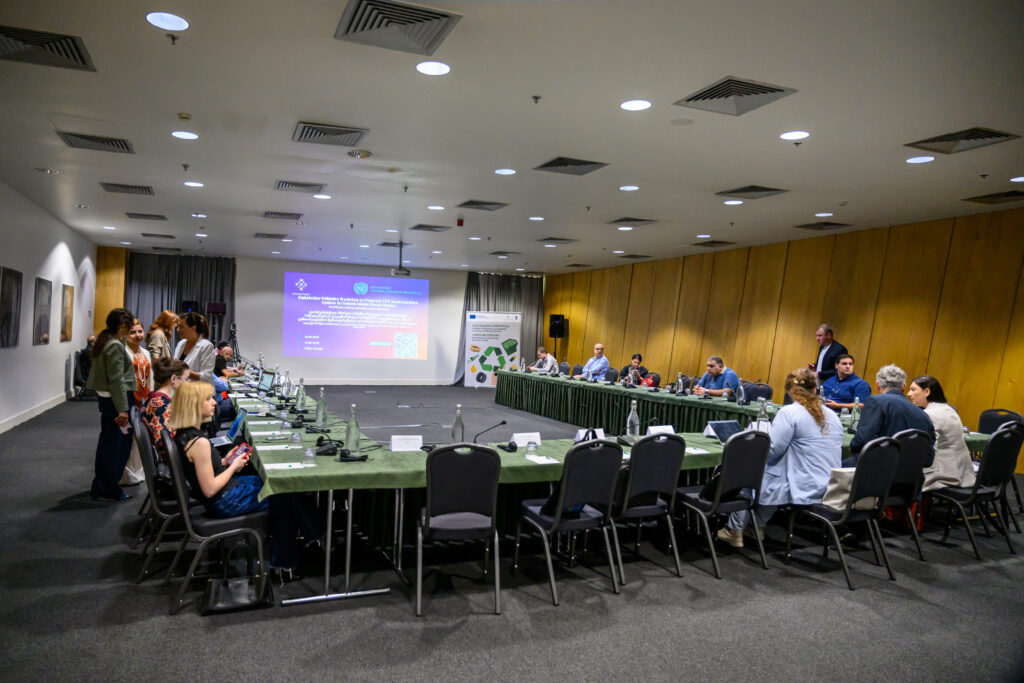
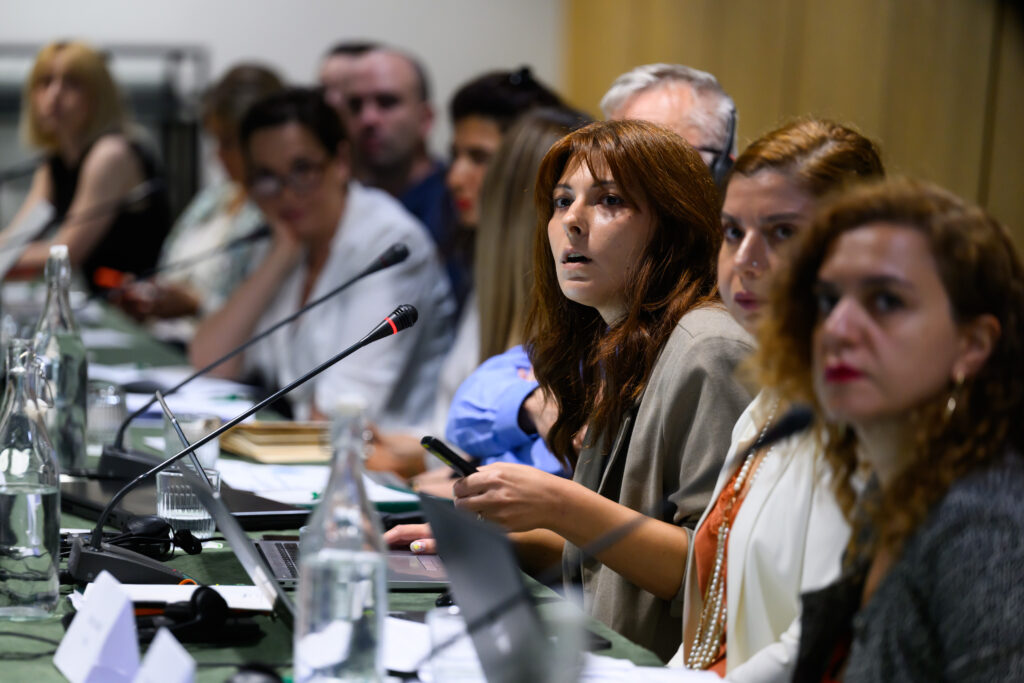
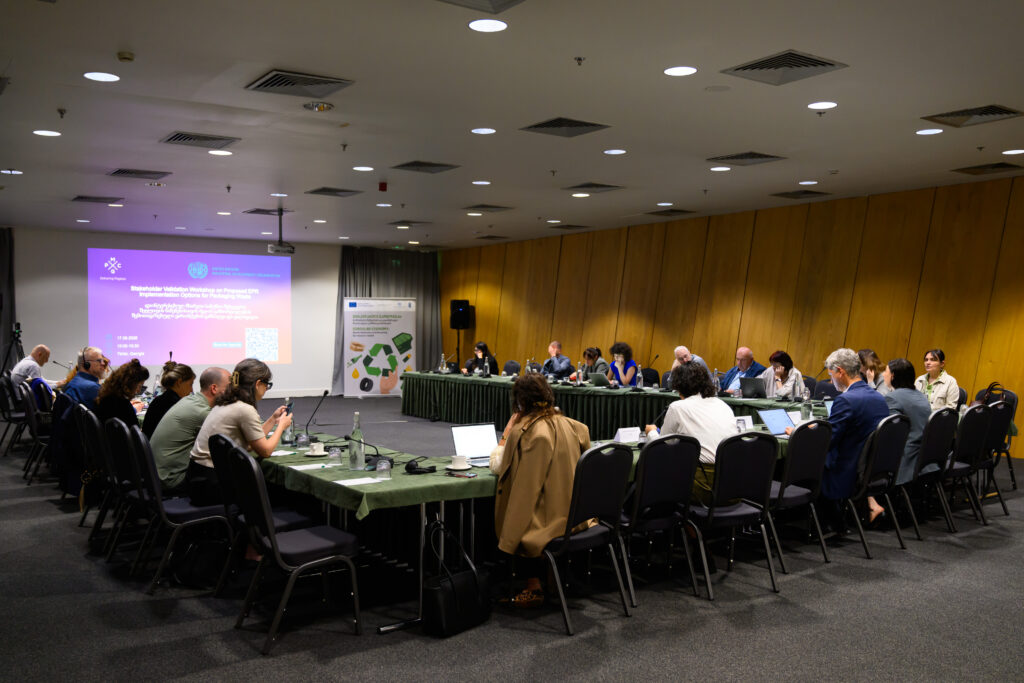
Under the leadership of UNIDO, PMCG’s team presented the key findings of its analysis and the proposed EPR implementation options. It then led discussions on how practical these options are. Two questions guided the conversation: which approaches would be feasible and preferable in Georgia, and how the selected EPR mechanisms could operate in practice.
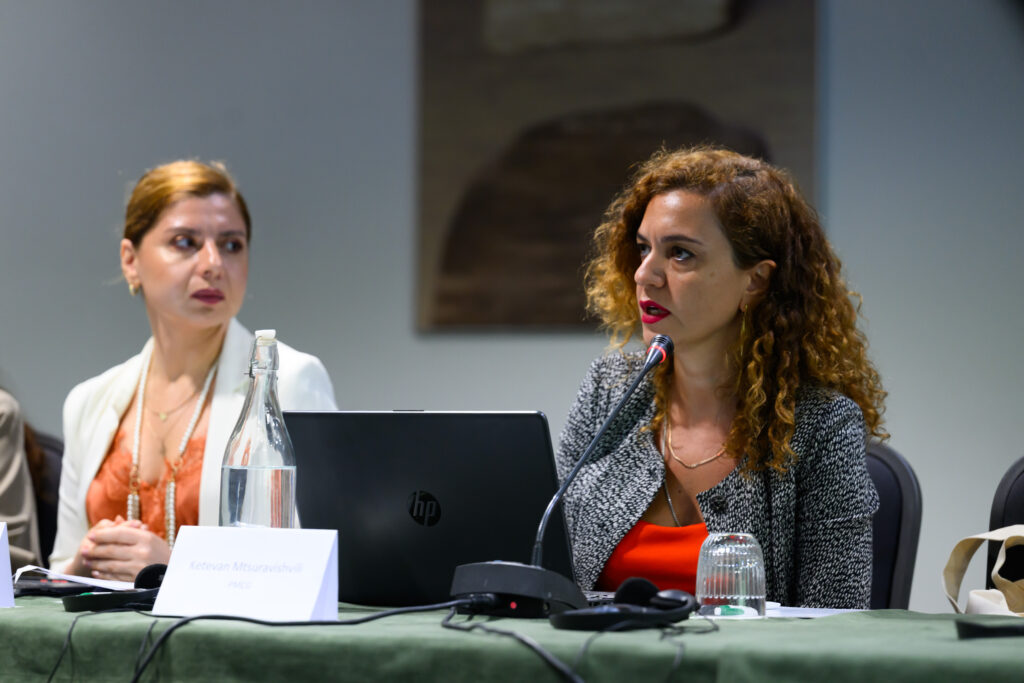
PMCG’s experts at the sessions were:
- Jerzy Sarnacki, Team Leader
- Natia Katsiashvili, Stakeholder Engagement Expert
- Teona Vardzelashvili, Senior Technical Expert
- Tamar Loladze, Regulatory Expert
- Ketevan Mtsuravishvili, Financial/Economic Expert
Part of a Wider Effort
The workshops are one step in a broader assignment. PMCG is carrying out a comprehensive feasibility study of Georgia’s EPR waste management system. The study covers its technical, economic, financial, environmental, social, institutional and legal aspects.
At the same time, PMCG is developing a dedicated multi-year management plan for each of six priority waste streams:
- packaging
- batteries and accumulators
- waste oils
- electrical and electronic equipment
- end-of-life vehicles
- tyres
Each plan will set out objectives, targets, institutional responsibilities, financing arrangements and phased roadmaps.
The work is part of the EU-funded Joint Programme “Circular Economy: Waste Reduction and Recycling for Citizens’ Health”, implemented by UNDP, UNIDO and the Environment Agency Austria (UBA).
What Comes Next
Stakeholder feedback from the workshops will help refine the proposed EPR approaches and mechanisms. This will keep the final plans practical, inclusive and responsive to national priorities.
The project aims to strengthen Georgia’s EPR system and improve waste collection and treatment. It will also guide future investment in recycling infrastructure and support the country’s move toward a circular, green and inclusive economy.
Featured Project