Advancing Ethical AI Readiness in Georgia
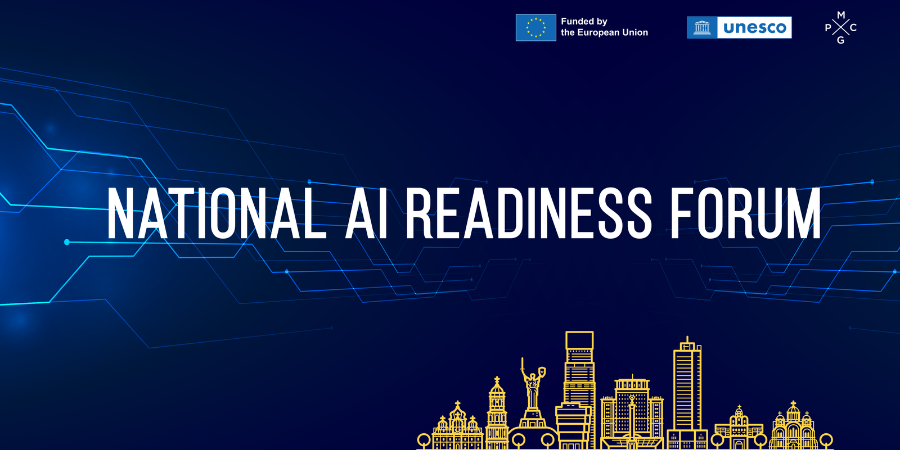
The European Union, in partnership with UNESCO and PMCG supports AI readiness assessment in Georgia. As part of this initiative, Georgia’s AI Readiness Forum was held on April 17, 2026, in Tbilisi, bringing together a diverse group of stakeholders. AI Readiness Assessment Methodology (RAM) is a key tool designed to help countries evaluate their preparedness for the ethical and responsible deployment of artificial intelligence. The discussion highlighted the importance of continued collaboration, knowledge sharing, and gradual capacity building across the ecosystem. The forum contributes to shaping practical pathways for ethical AI development in Georgia and it remains a meaningful step toward fostering a responsible, inclusive, and innovation-driven AI landscape.
PMCG, is pleased to support a growing dialogue around the future of artificial intelligence in Georgia through European Union funded project, assessing Georgia’s readiness for the ethical and responsible deployment of AI and implemented by UNESCO. This initiative provides a structured understanding of the country’s current capacities, gaps, and opportunities using UNESCO’s globally recognized methodology.
The EU funds similar assessments to strengthen capacity and readiness both in EU members states and neighbouring countries. It helps Georgia to identify institutional and regulatory gaps through providing detailed and comprehensive insights into different dimensions of AI readiness. Findings of this research then enables the EU to tailor support to fill those gaps. The latter is particularly important on the background of increasing risks related to AI both on regional and international level.
The Country Report for Georgia is available on UNESCO’s official webpage, contributing to transparency and knowledge sharing: https://www.unesco.org/ethics-ai/en/georgia
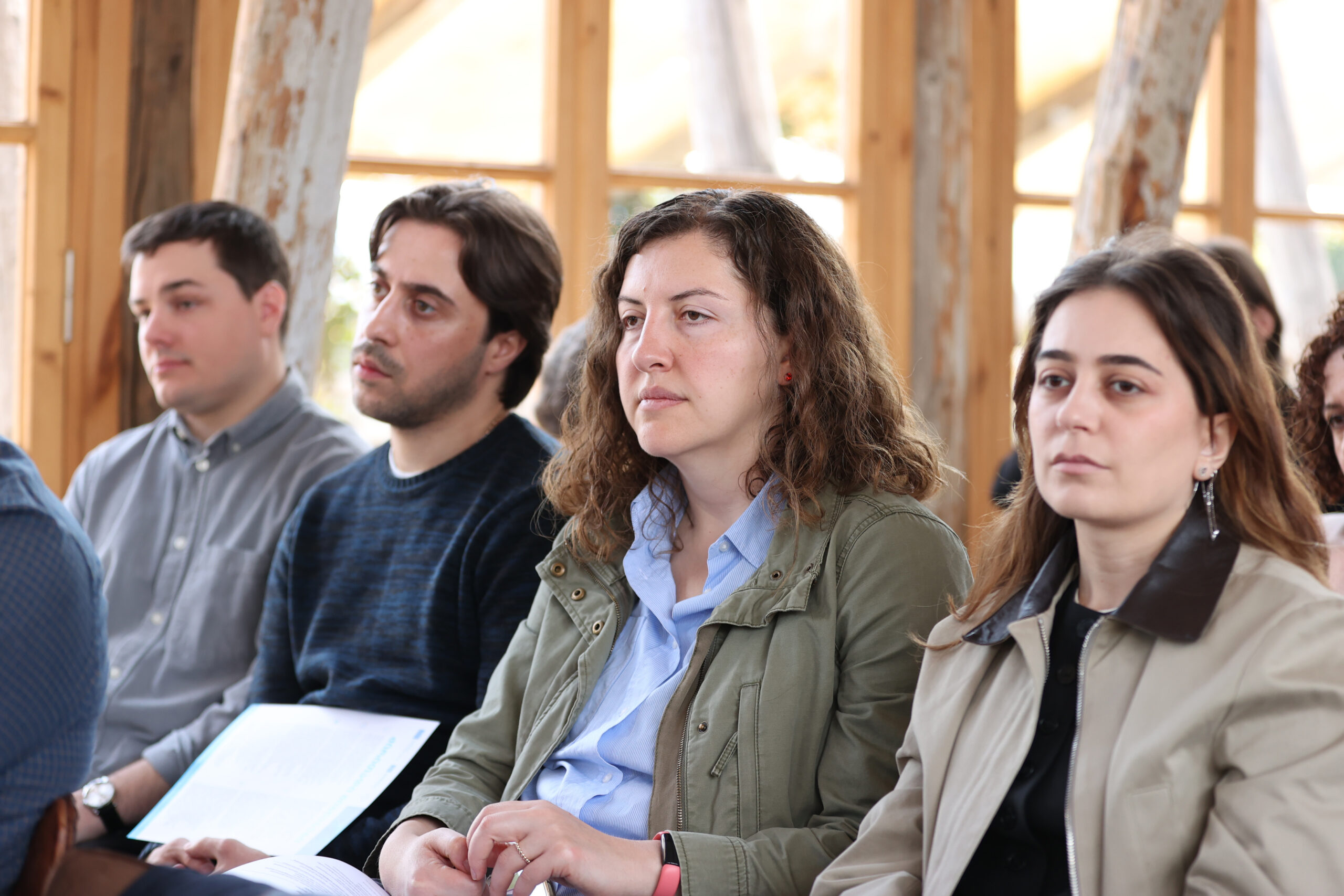
As part of this effort, Georgia’s AI Readiness Forum was held on April 17, 2026, in Tbilisi, bringing together a diverse group of stakeholders. The forum built on earlier project activities and created a space for thoughtful exchange on the future of artificial intelligence in Georgia. It also introduced key insights from the national assessment process and encouraged dialogue on how to foster responsible and ethical AI development.
Georgia’s AI Readiness Forum Key Moments
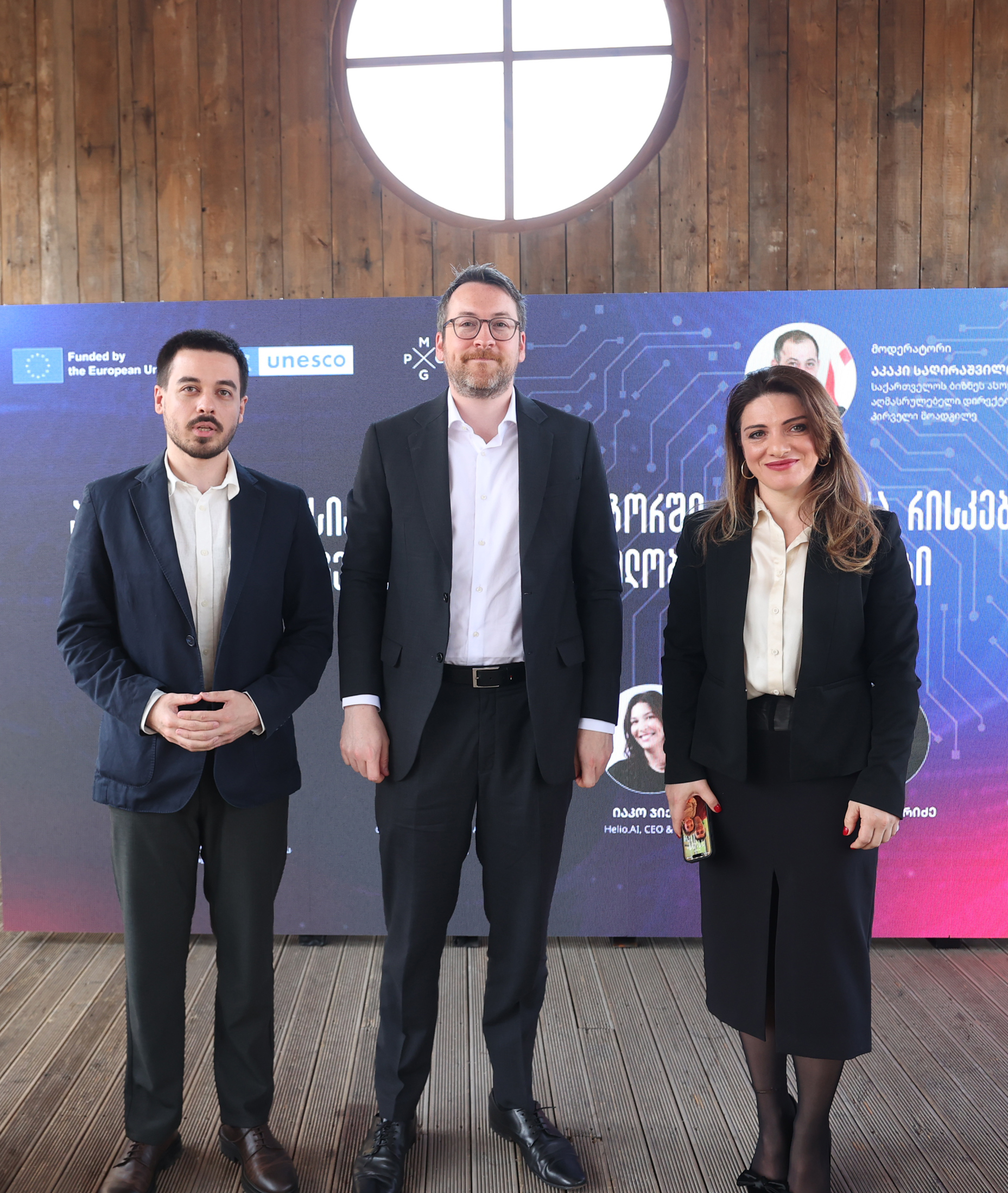
The Georgia’s AI Readiness Forum combined expert presentations with dynamic panel discussions. Opening remarks were delivered by Zviad Kharebava, Vice President of PMCG, , Nino Samvelidze the Delegation of the European Union to Georgia’s Program Manager for Digitalisation, and Adrian James Wright, Programme Specialist in UNESCO’s Ethics of AI unit (Social and Human Sciences sector), including setting a strong international context and was followed by the presentation of key findings from the assessment report, delivered by Luka Begiashvili, PMCG’s AI expert and author of the assessment report.
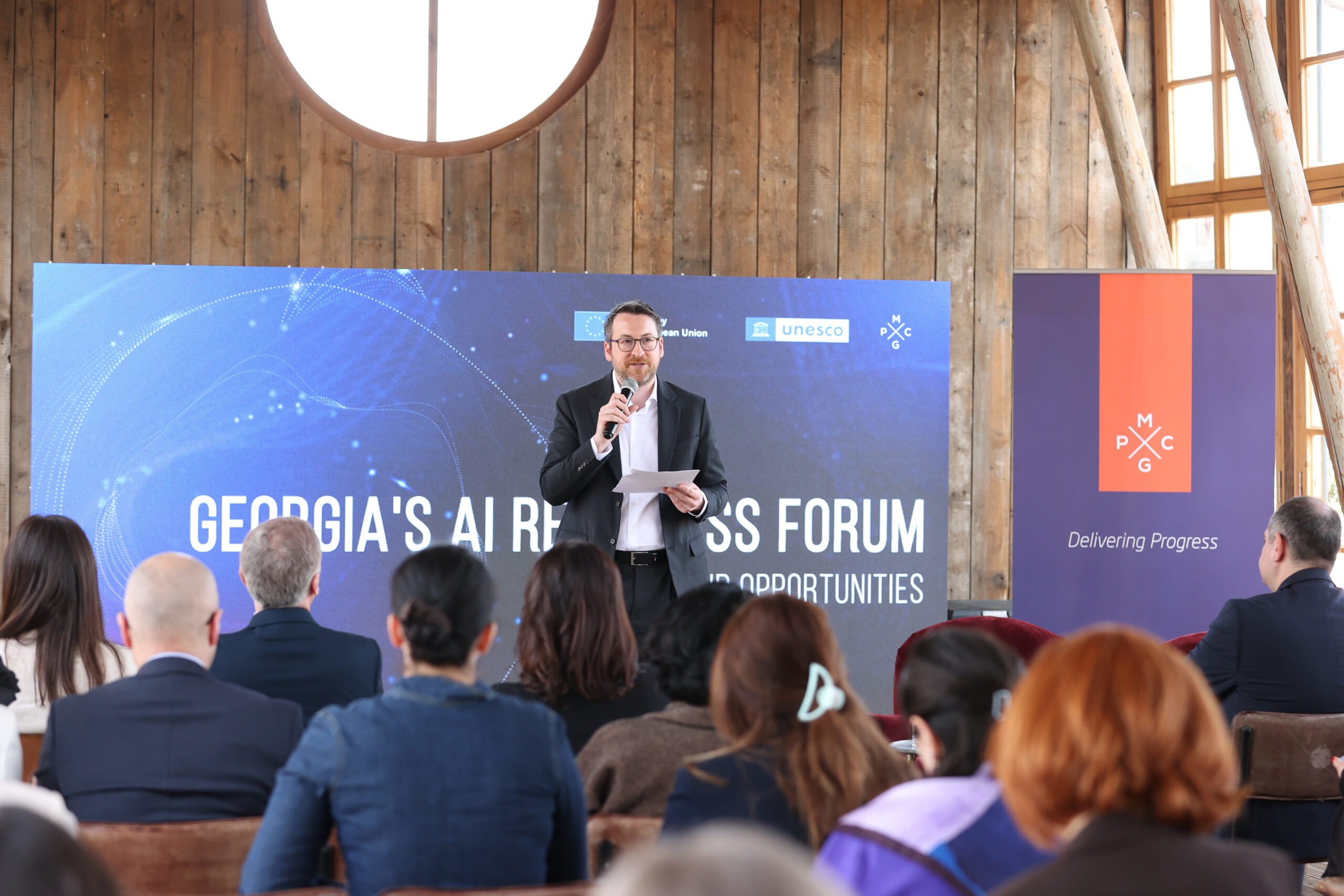
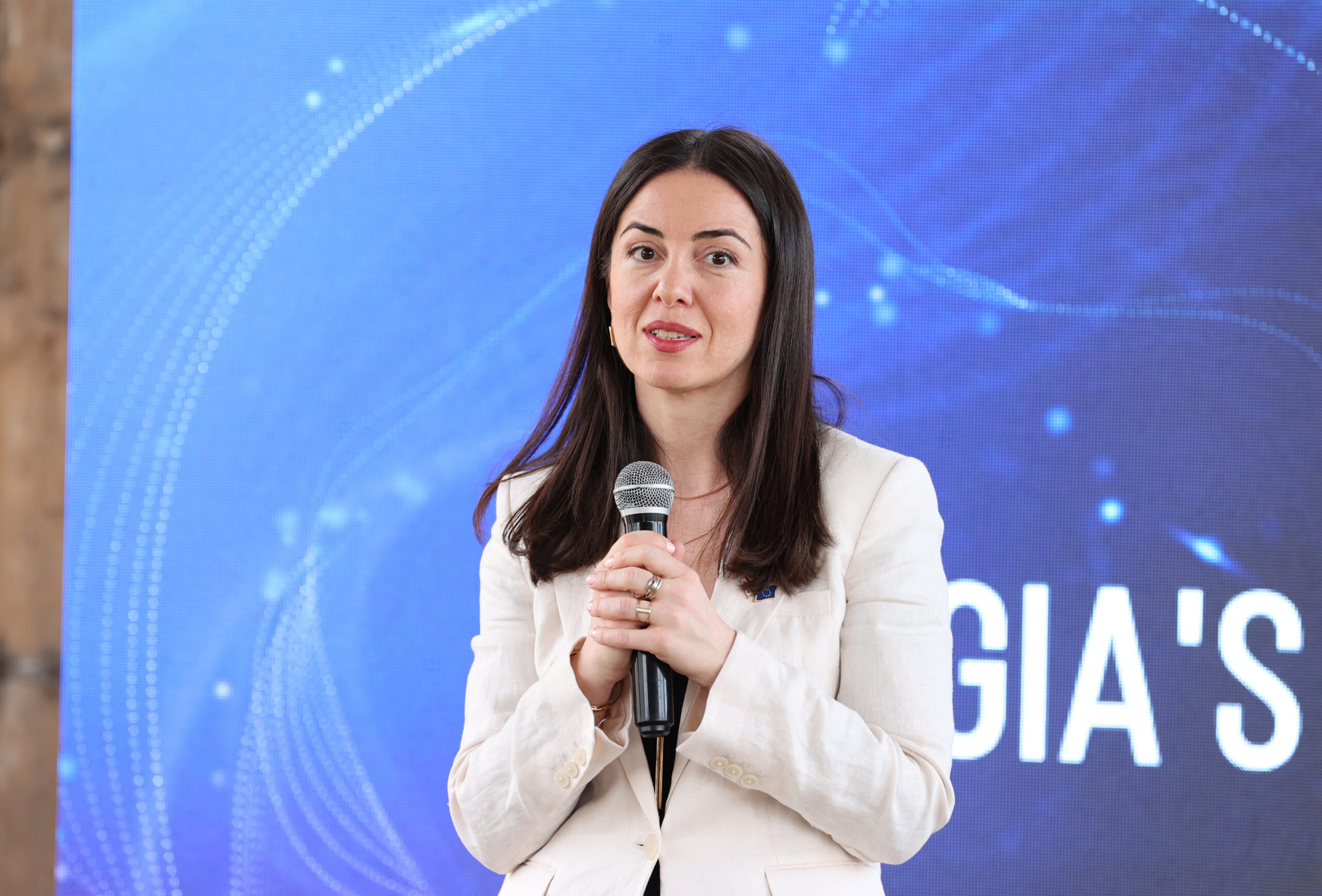
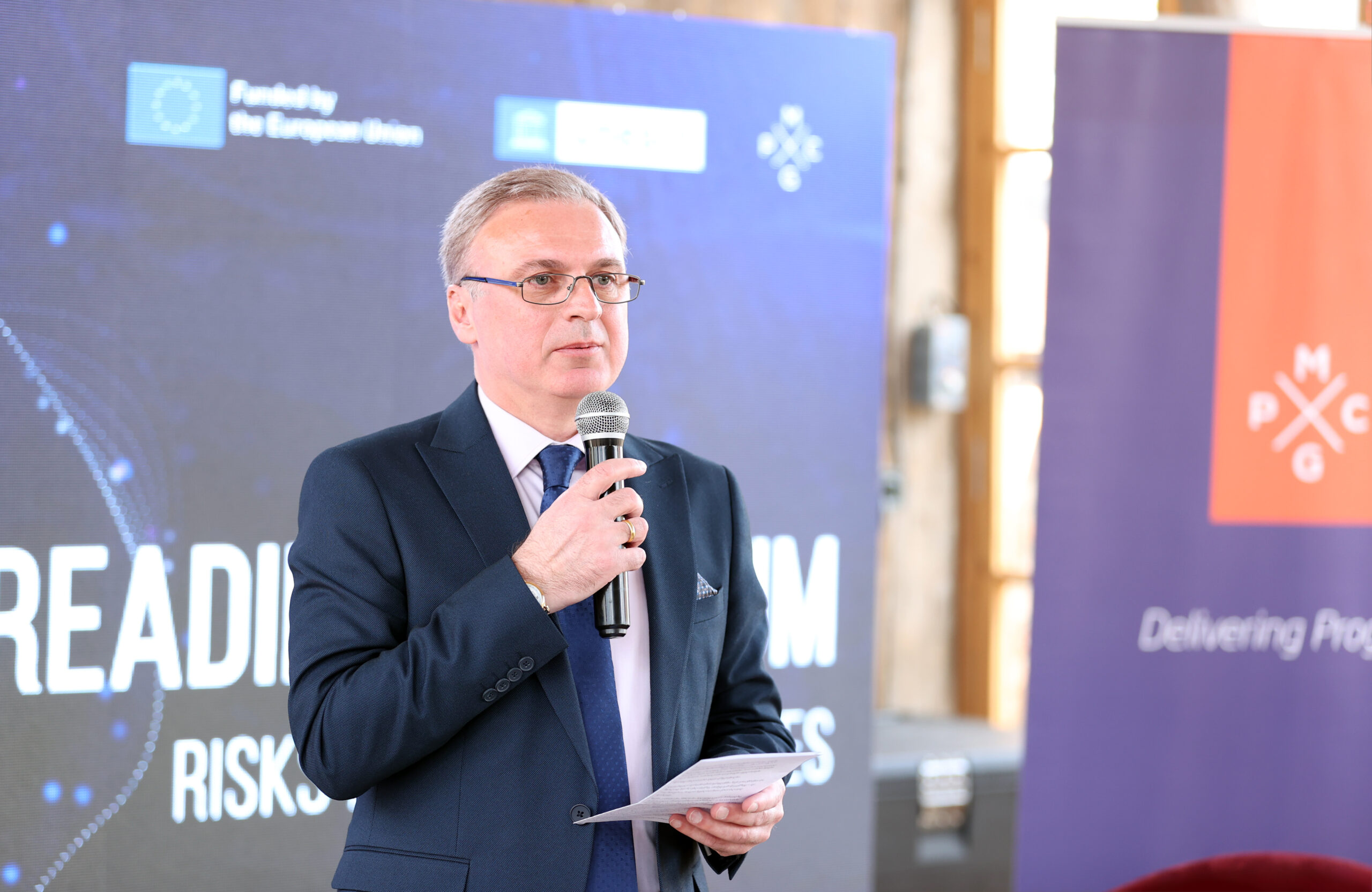
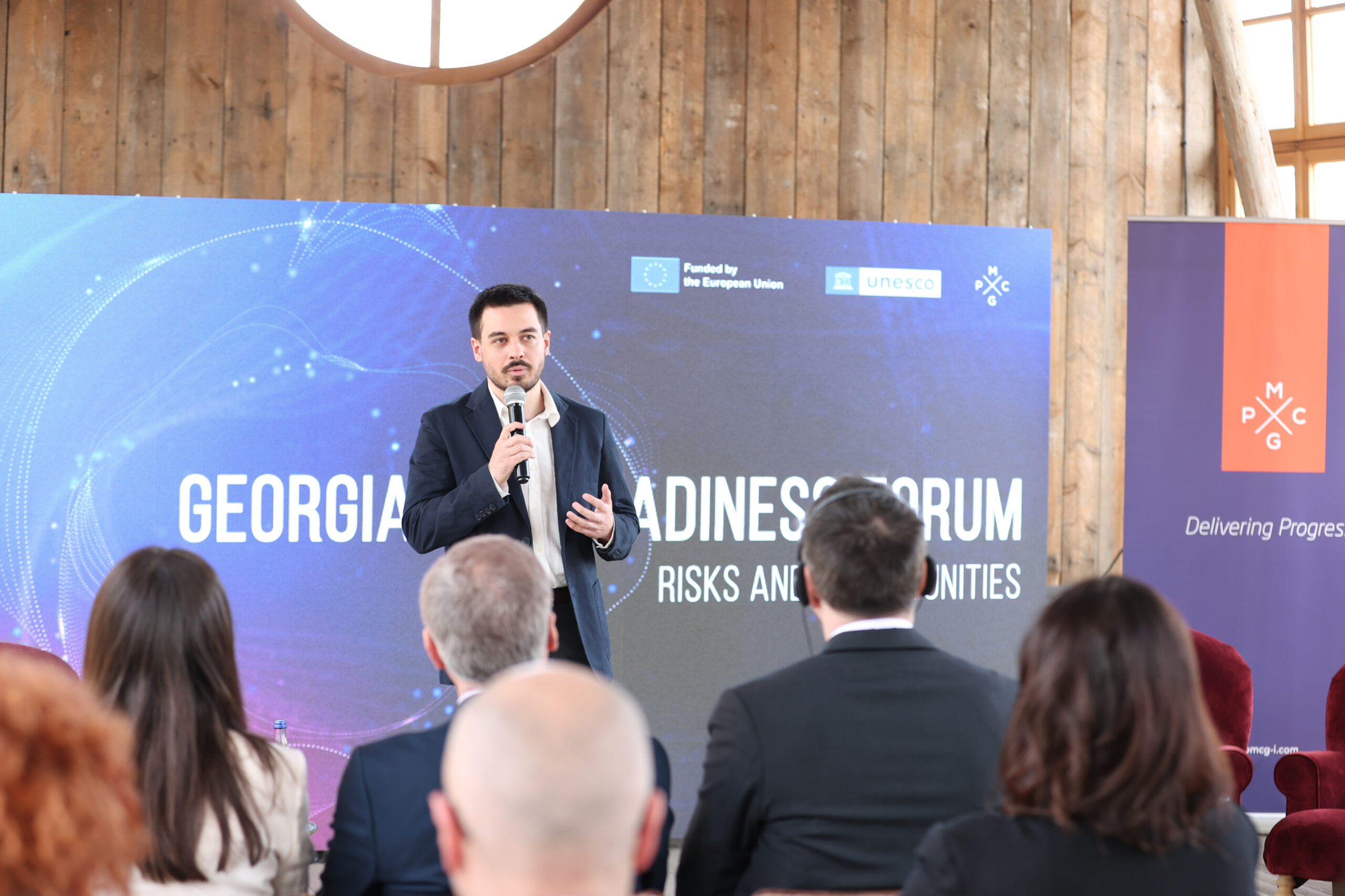
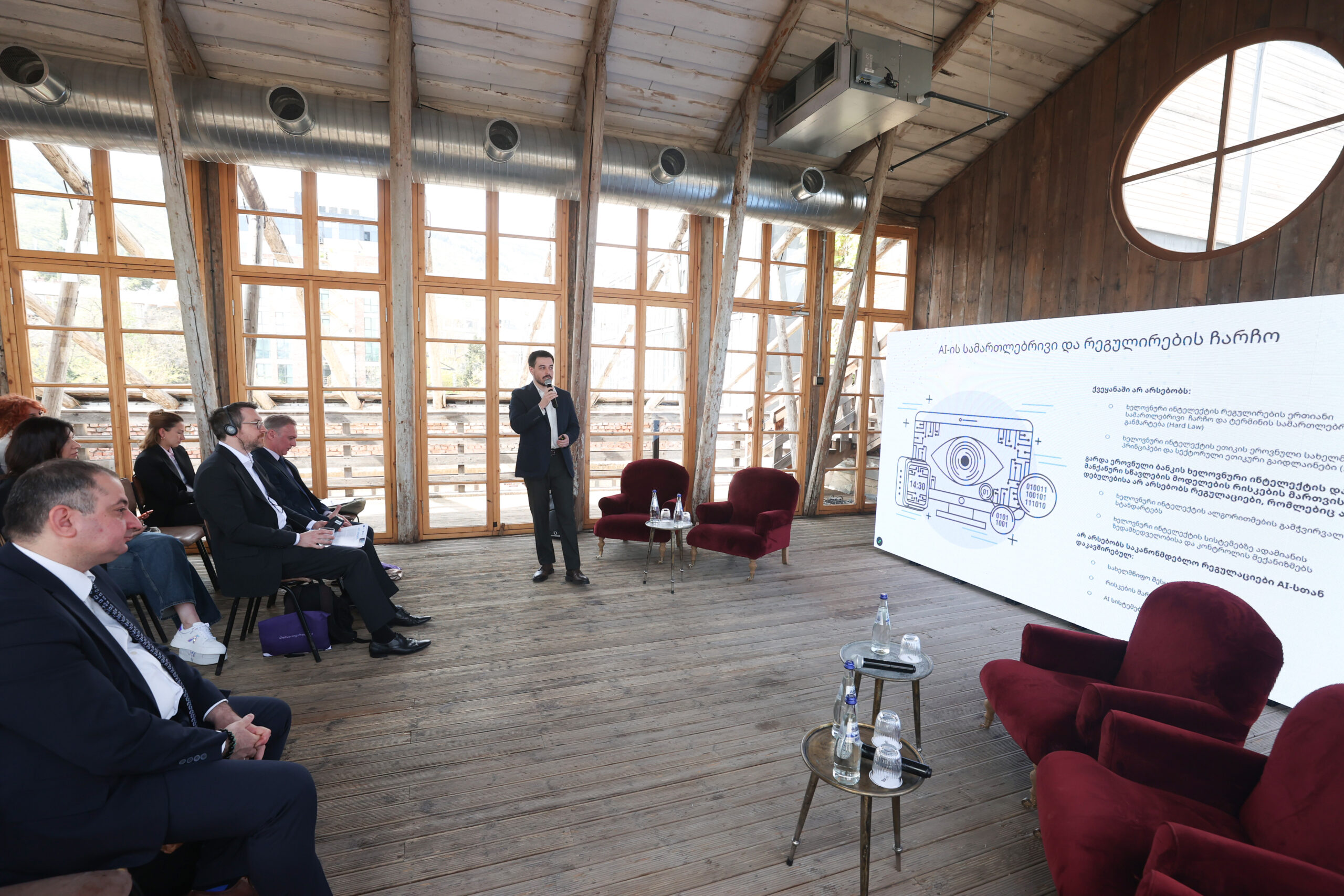

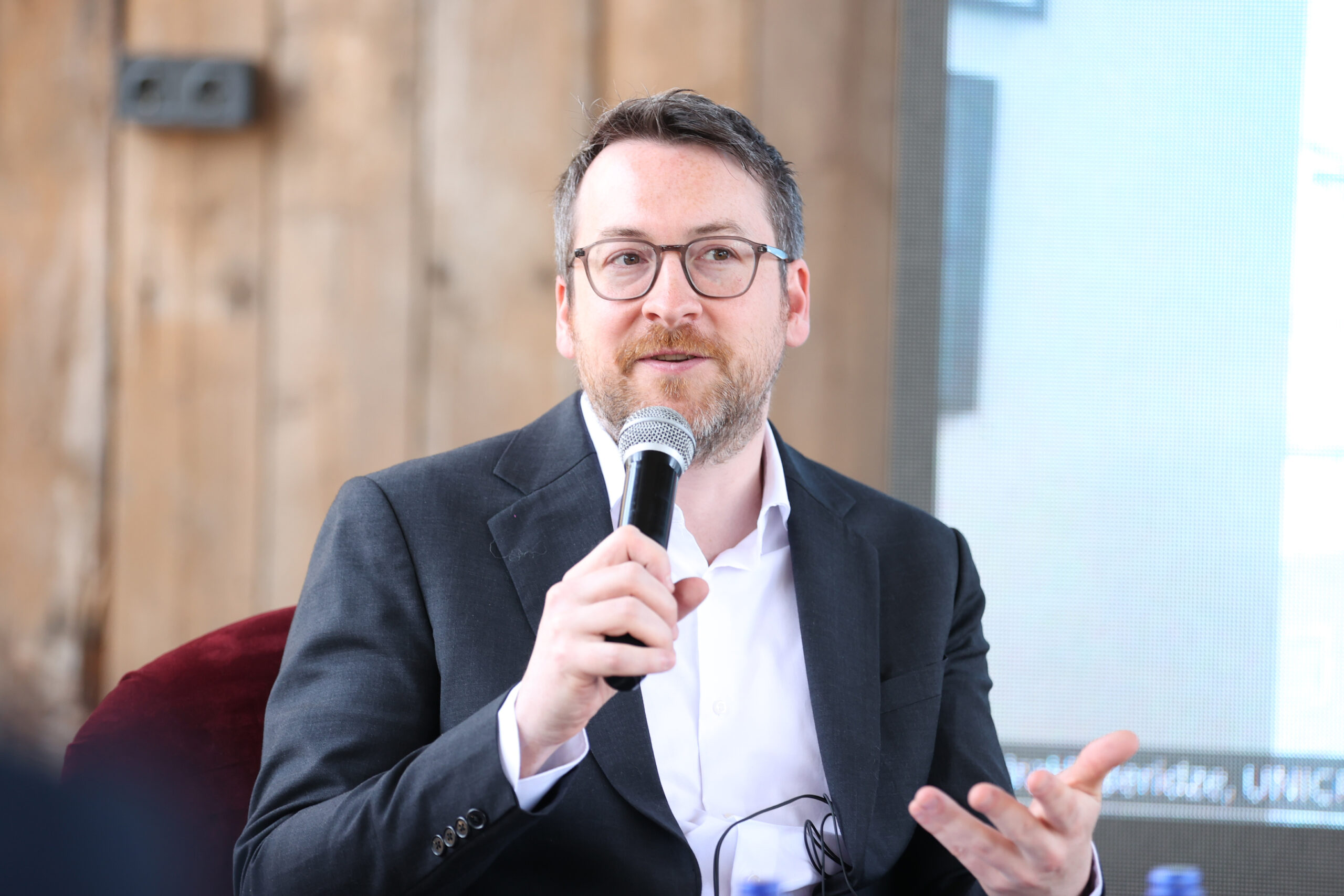
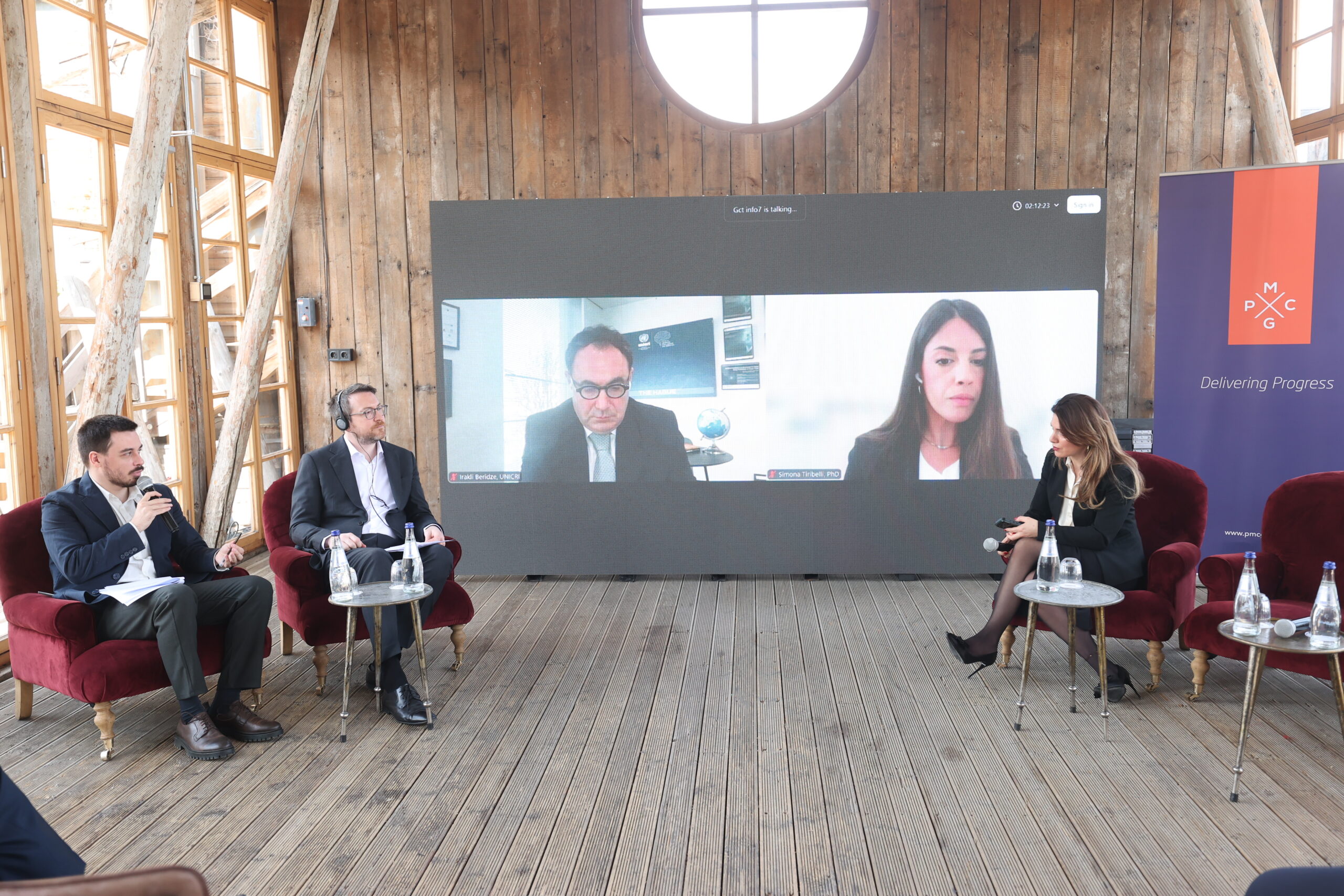
The discussions reflected a strong combination of global expertise and local insight. The first panel moderated by Luka Begiashvili, brought together prominent international voices, including Adrian James Wright, Irakli Beridze, UNICRI, United Nations, Head of Centre for Artificial Intelligence and Robotics of UNICRI (United Nations), Simona Tiribelli, PhD – Tenure Track Assistant Professor in Ethics (UNIMC, Italy) & expert member of UNESCO AI Ethics Experts Without Borders, and Tamta Nutsubidze, World Bank’s Digital Development Expert. The discussion explored global AI trends and their practical implications for Georgia, emphasizing ethical frameworks and international cooperation.

Insights from Business and Academia
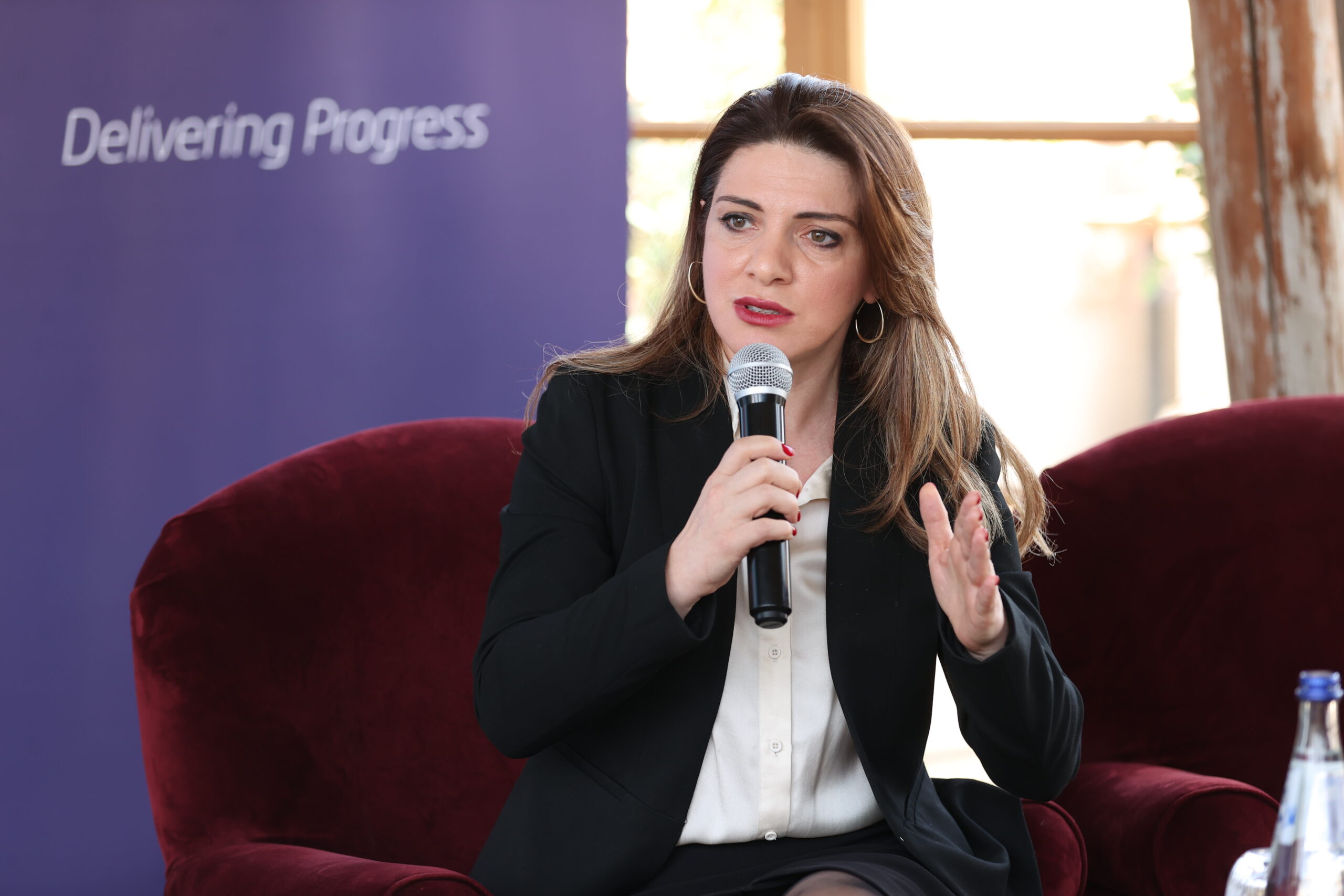
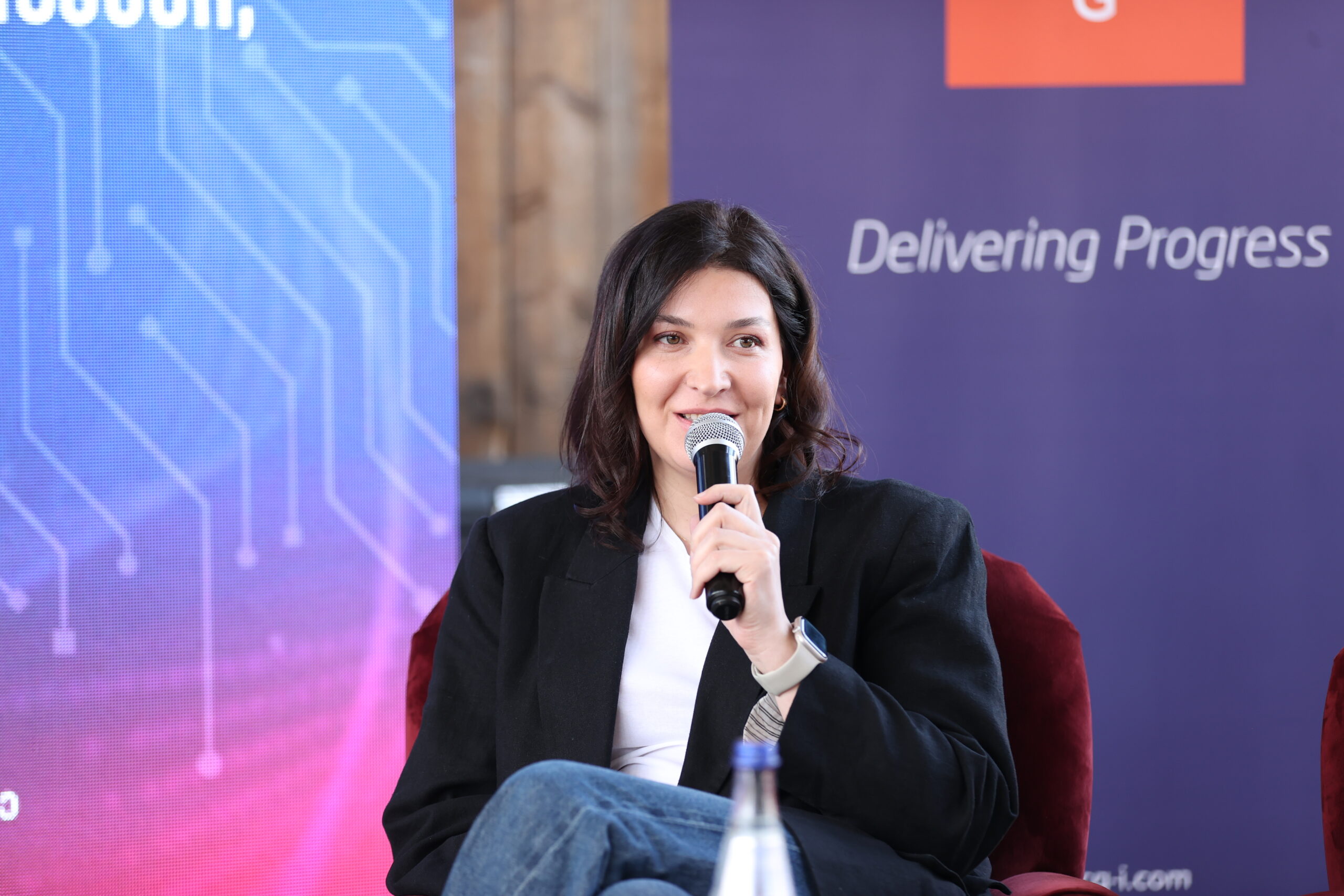
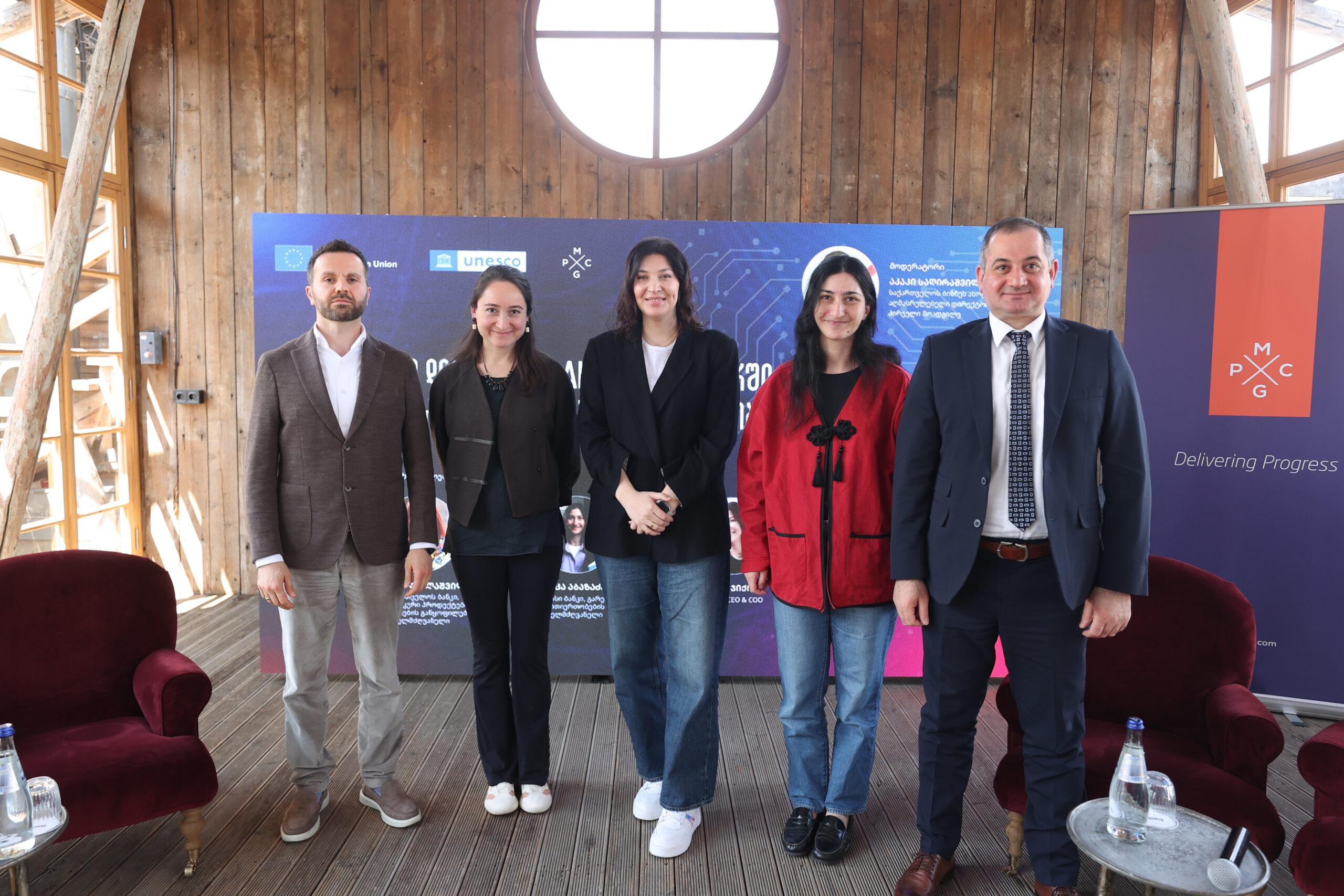
The second panel brought together senior representatives from leading companies, including Mariam Lelashvili Head of Analytics Products Development Unit of Bank of Georgia, Nutsa Abazadze Head of External AI Interactions of TBC Bank, Iako Jikia CEO of Helio.AI, and Michael Japaridze CEO of ARDI. Moderated by Akaki Saghirashvili, the Business Association of Georgia, the discussion focused on real-world AI applications, emerging risks, and governance practices within the private sector. Discussions touched on responsible use, data considerations, and the importance of building trust through transparent practices.
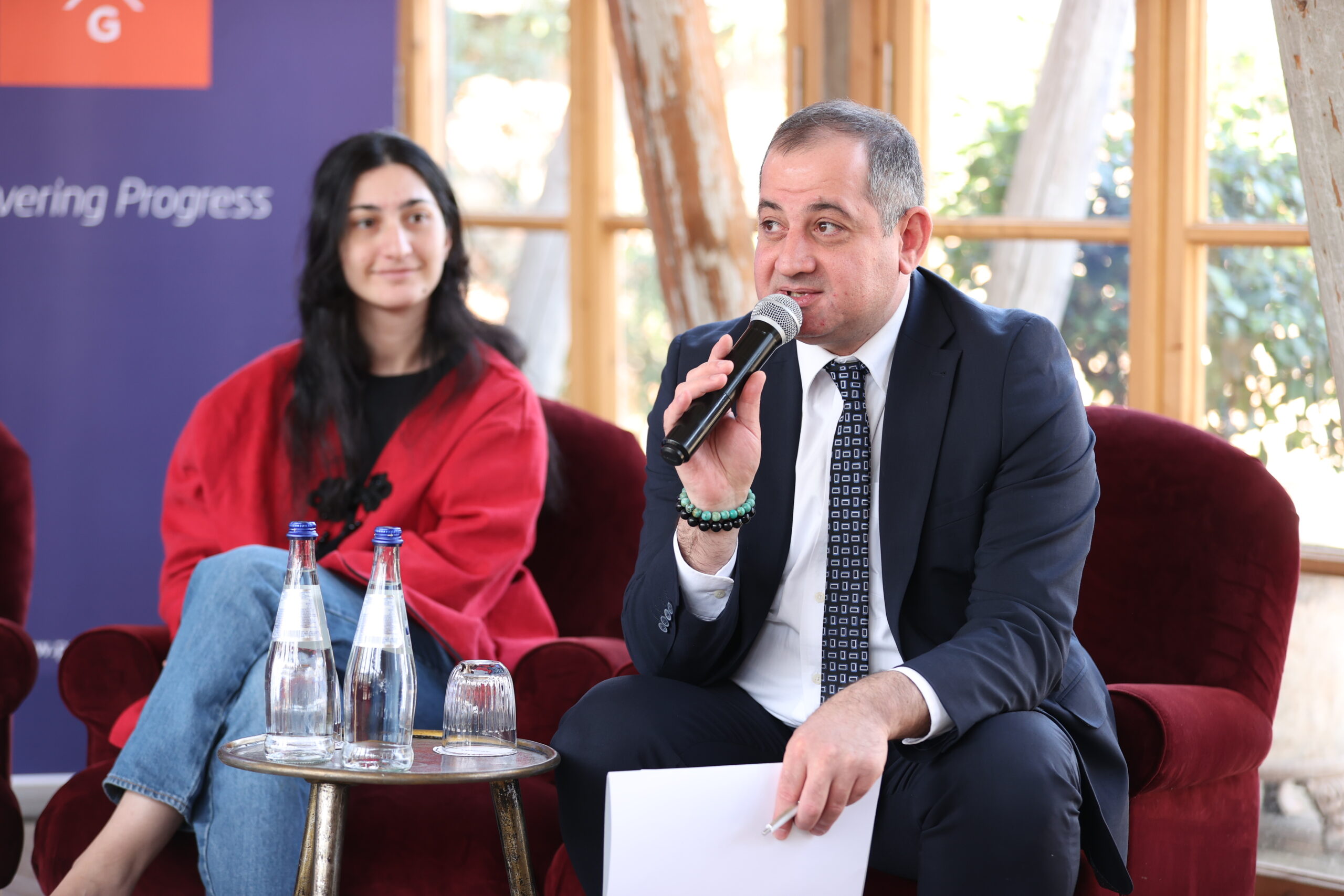
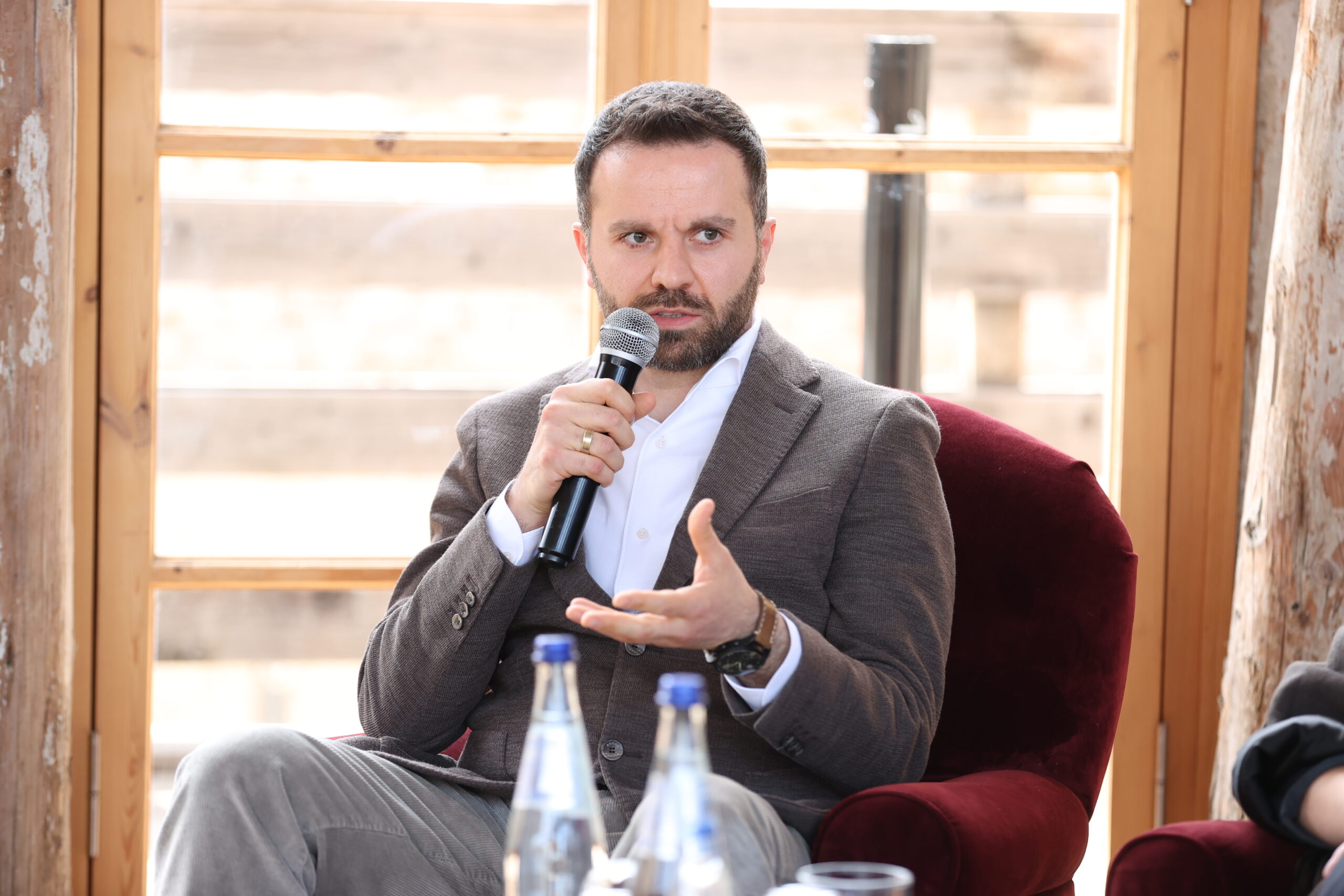
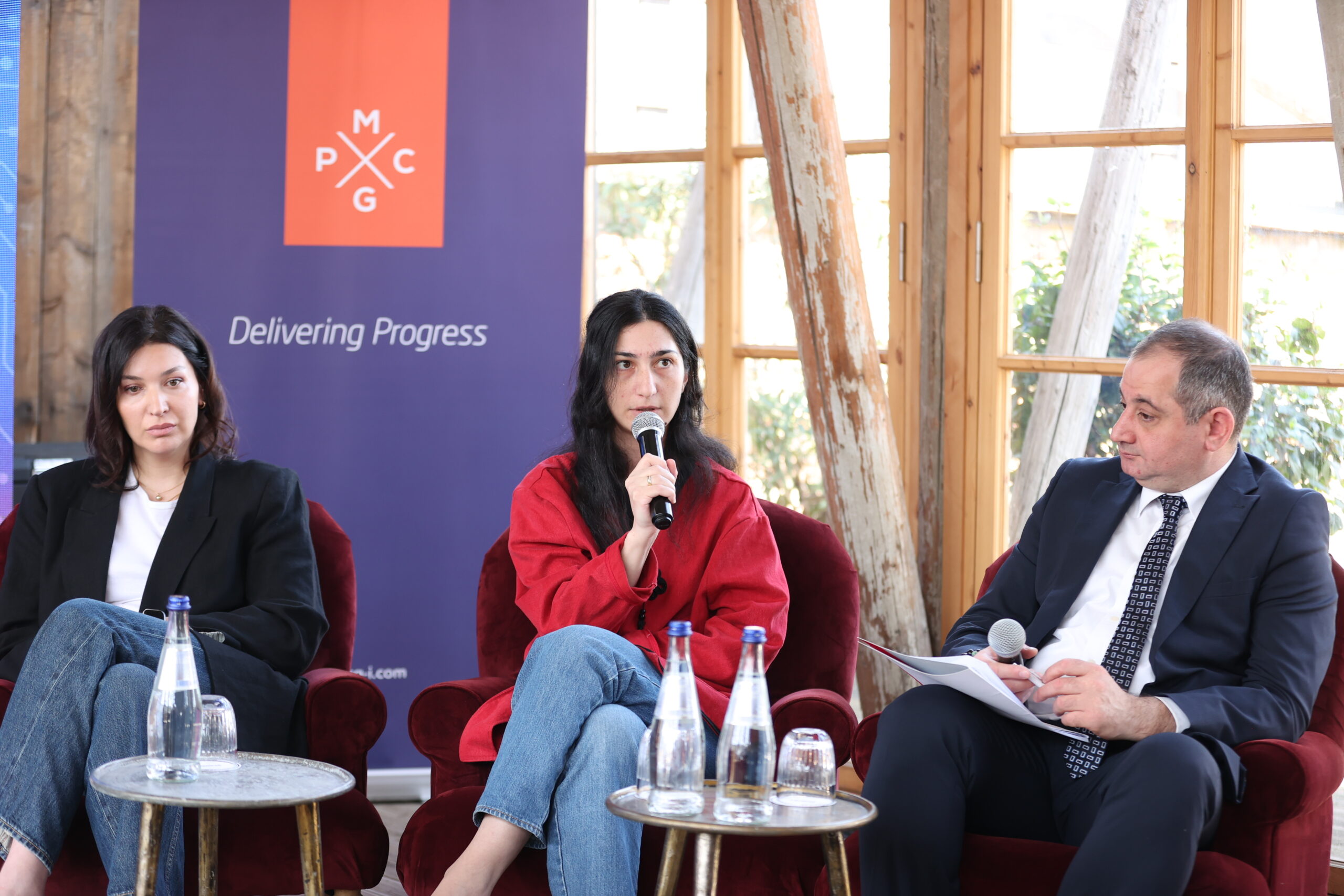
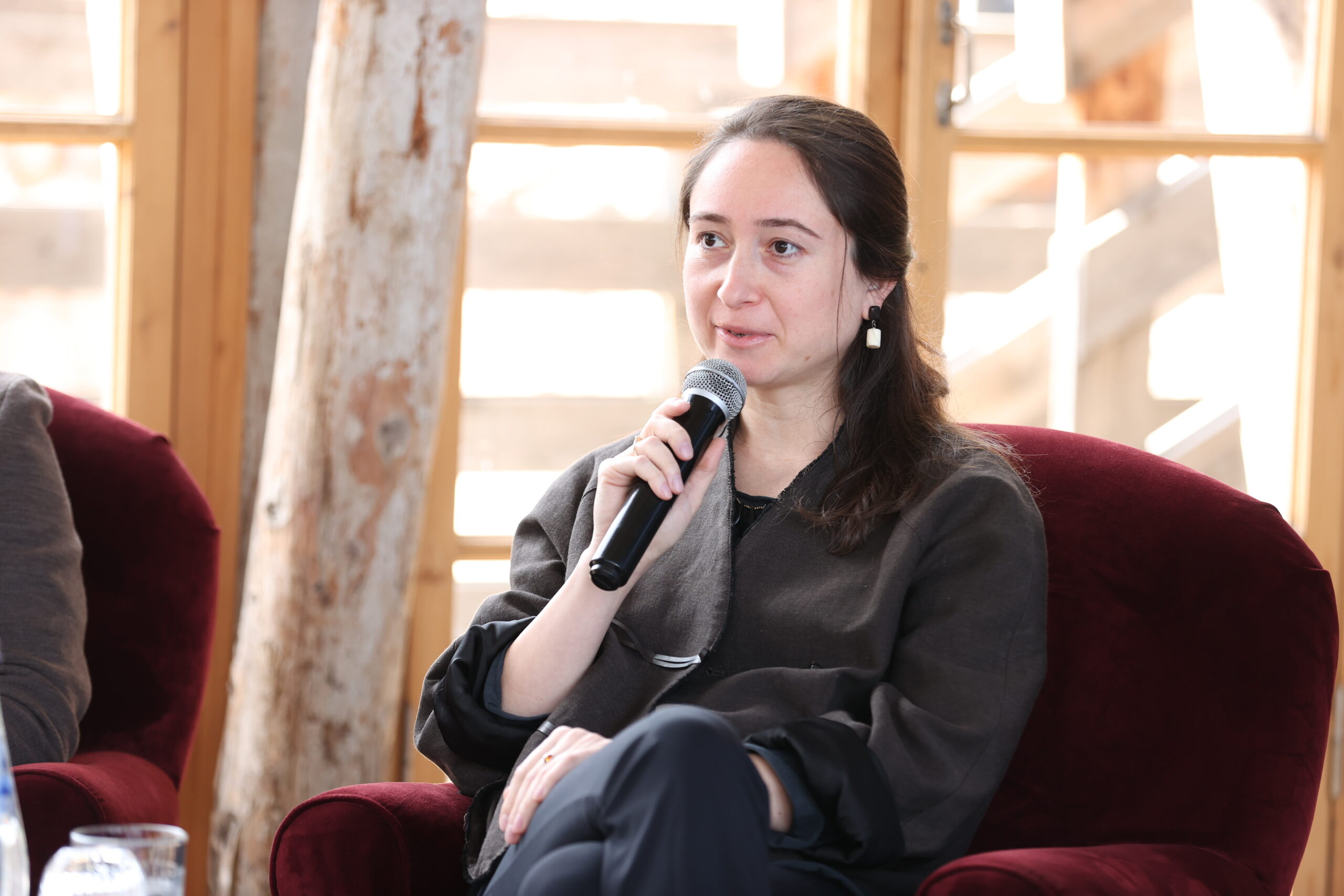
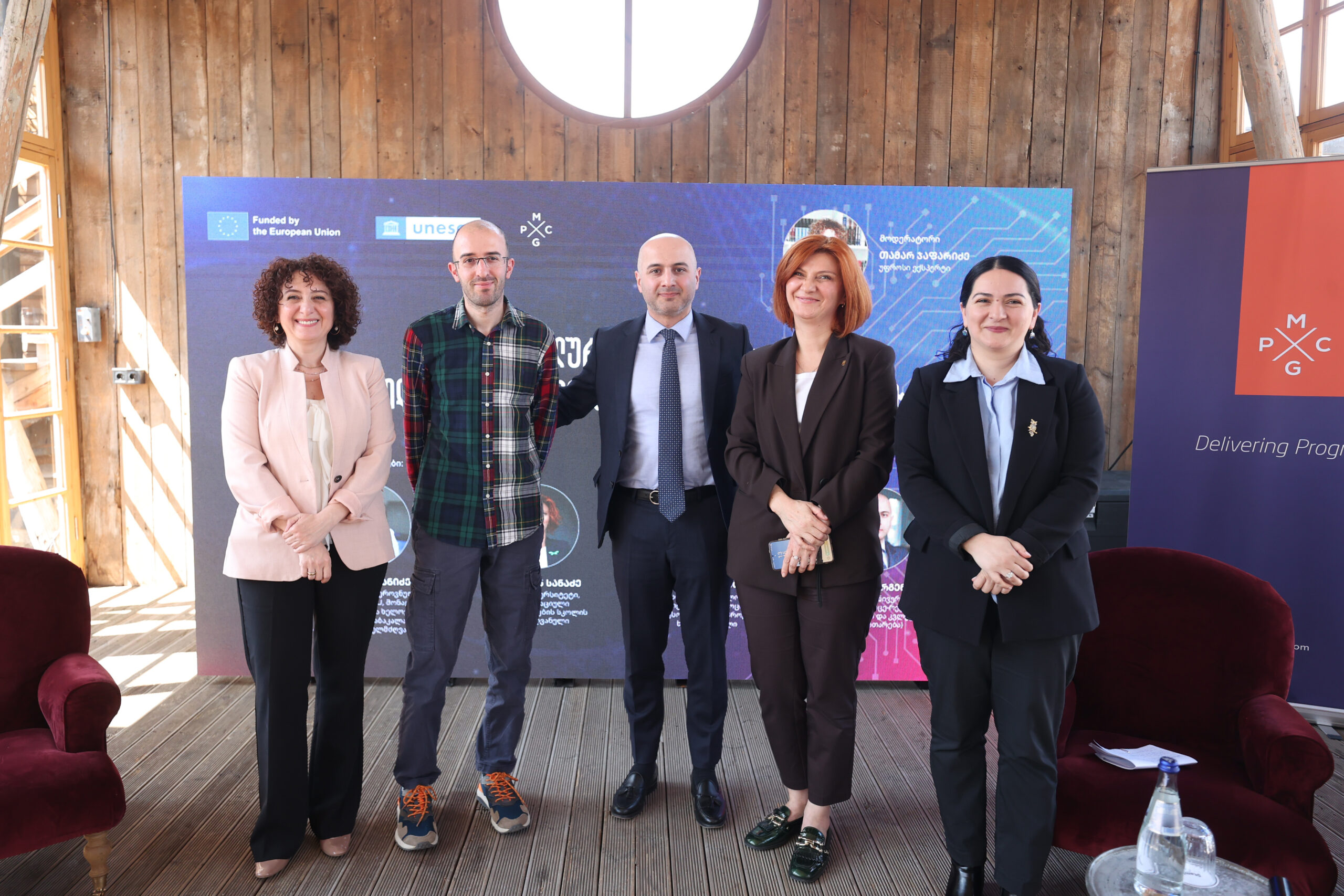
The third panel, moderated by Tamar Japaridze, PMCG’s Senior Expert, highlighted academic perspectives from key institutions. Contributors included Lia Kurtanidze, Head of the bachelor’s Programs in Data Science and Artificial Intelligence (Georgian National University SEU), Rusudan Sanadze, Head of Information Technology School (Alte University), Tsotne Zhghenti, Associate Professor and Head of EBBA Program (Business and Technology University), and Levan Gurgenidze, Vice Rector, Academic and Research Development (British University in Tbilisi). Speakers discussed how academic institutions are adapting to the growing role of AI by developing new programs and strengthening skills development. The conversation also emphasized the role of ethics in shaping future talent and ensuring responsible use of technology.
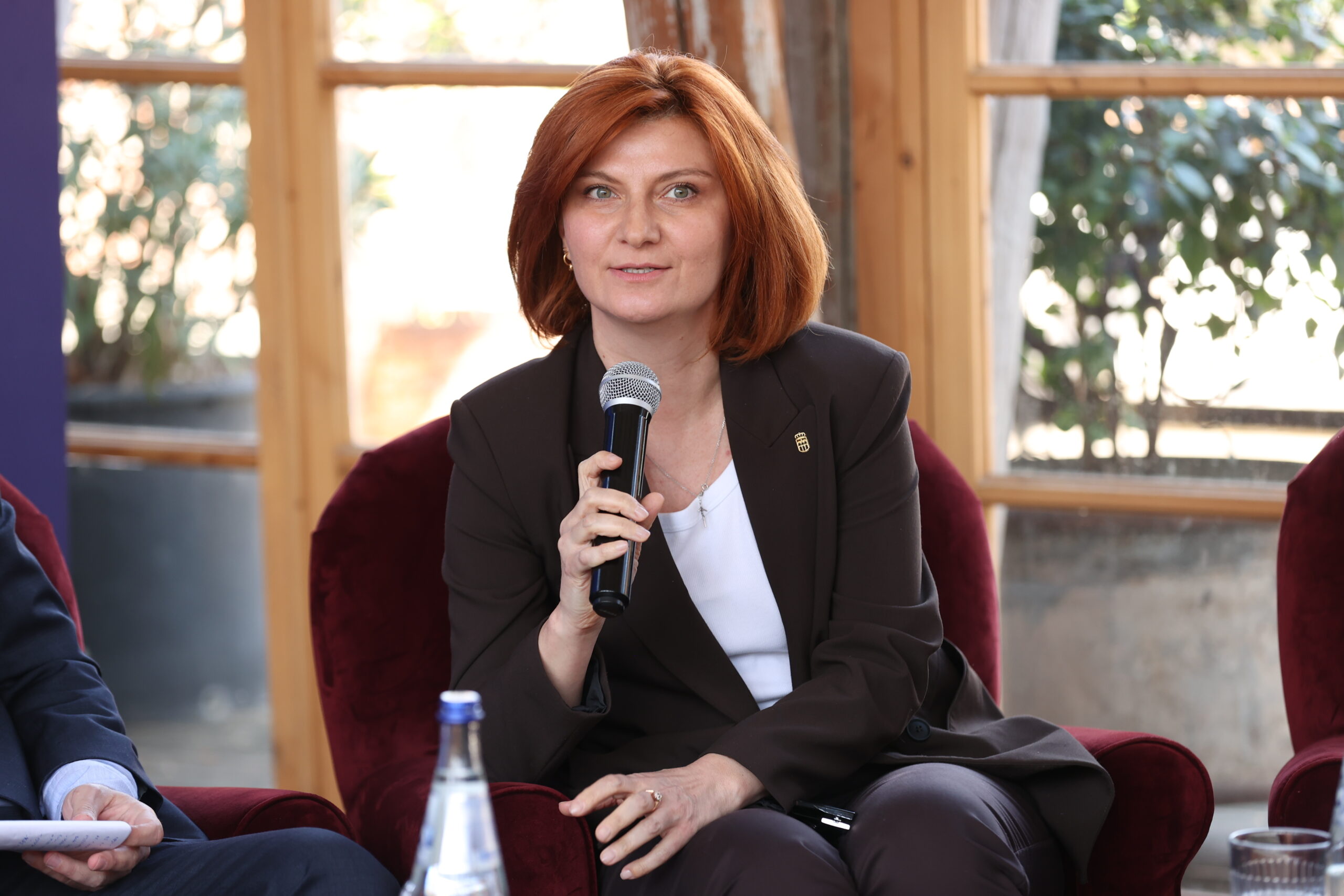
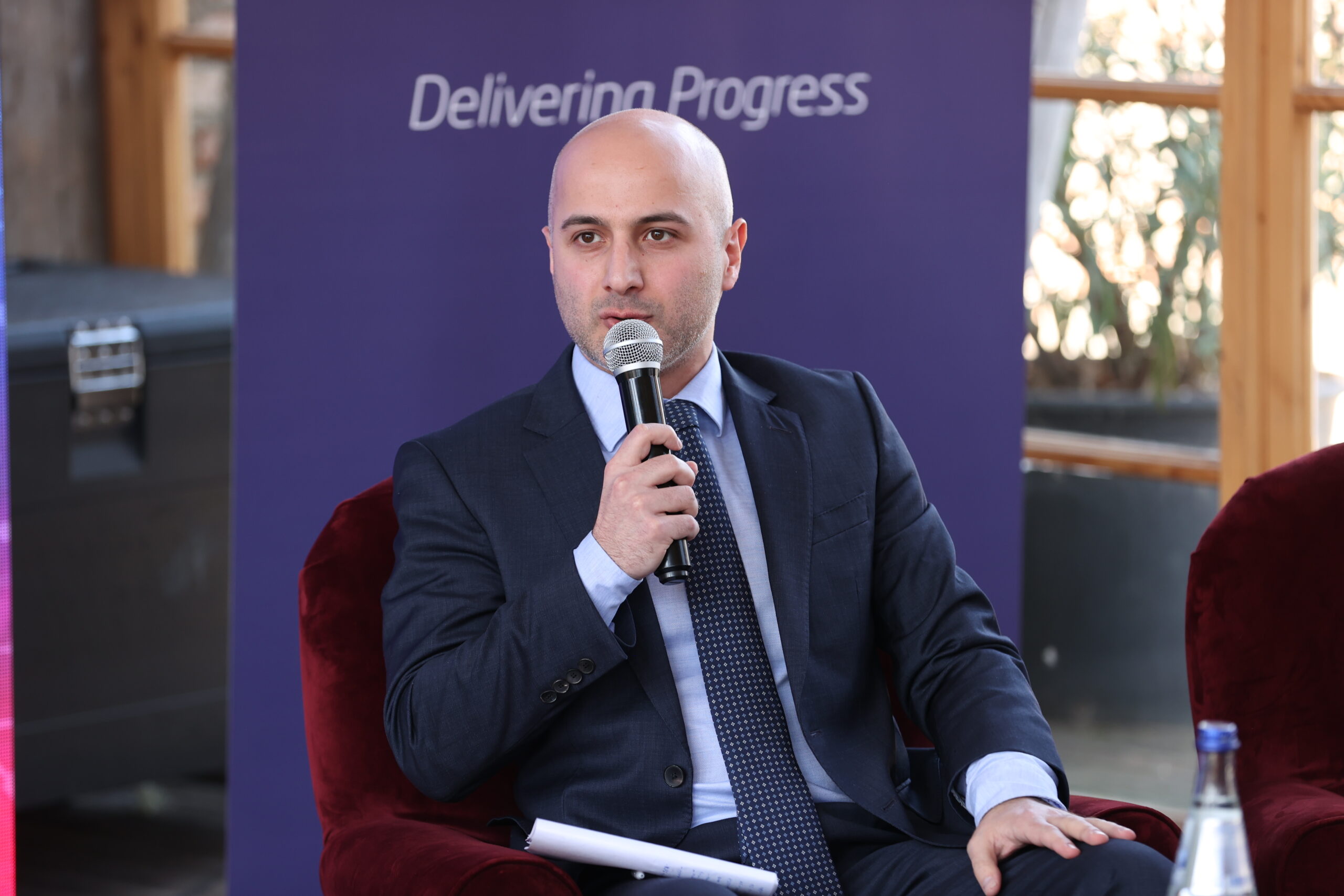
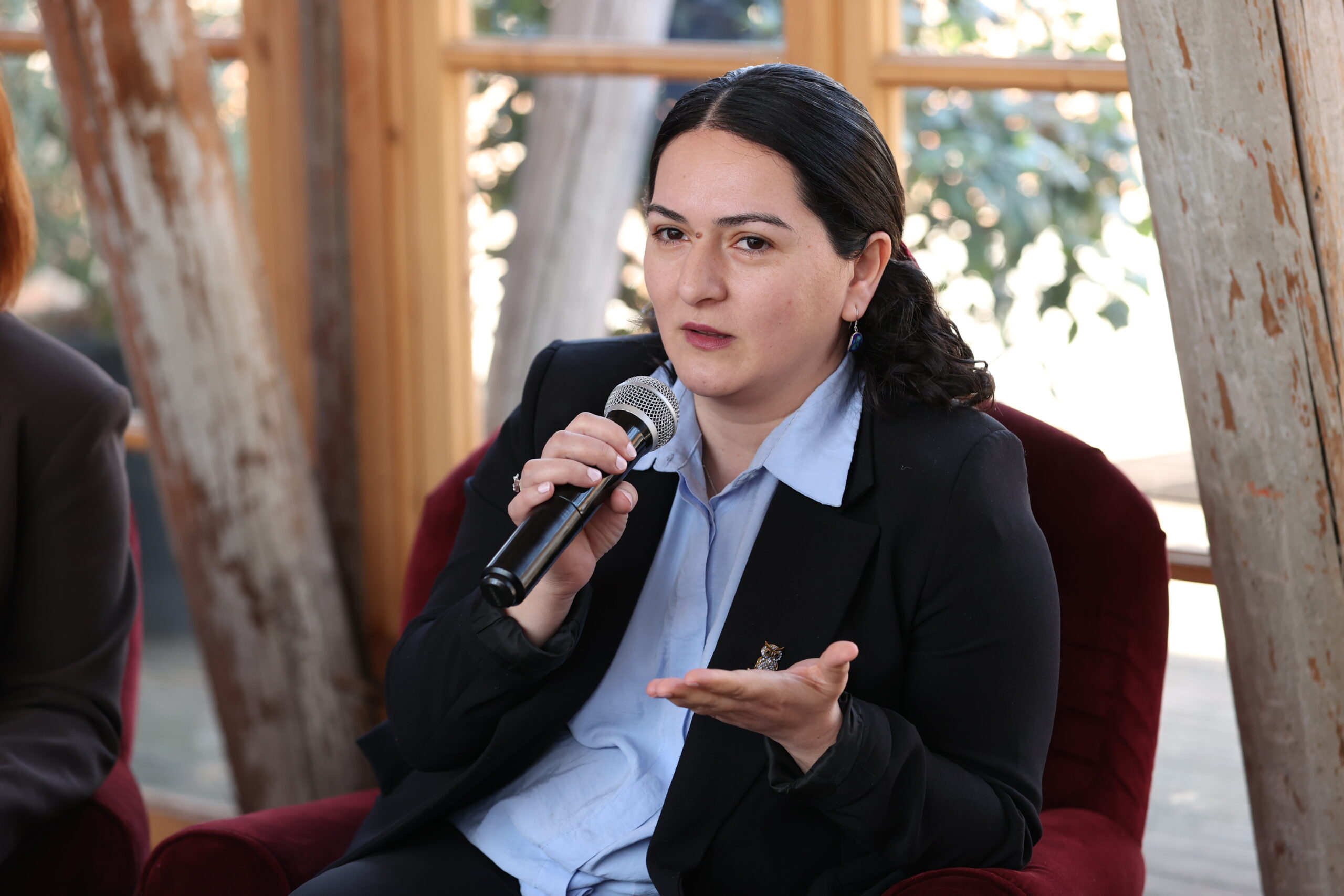
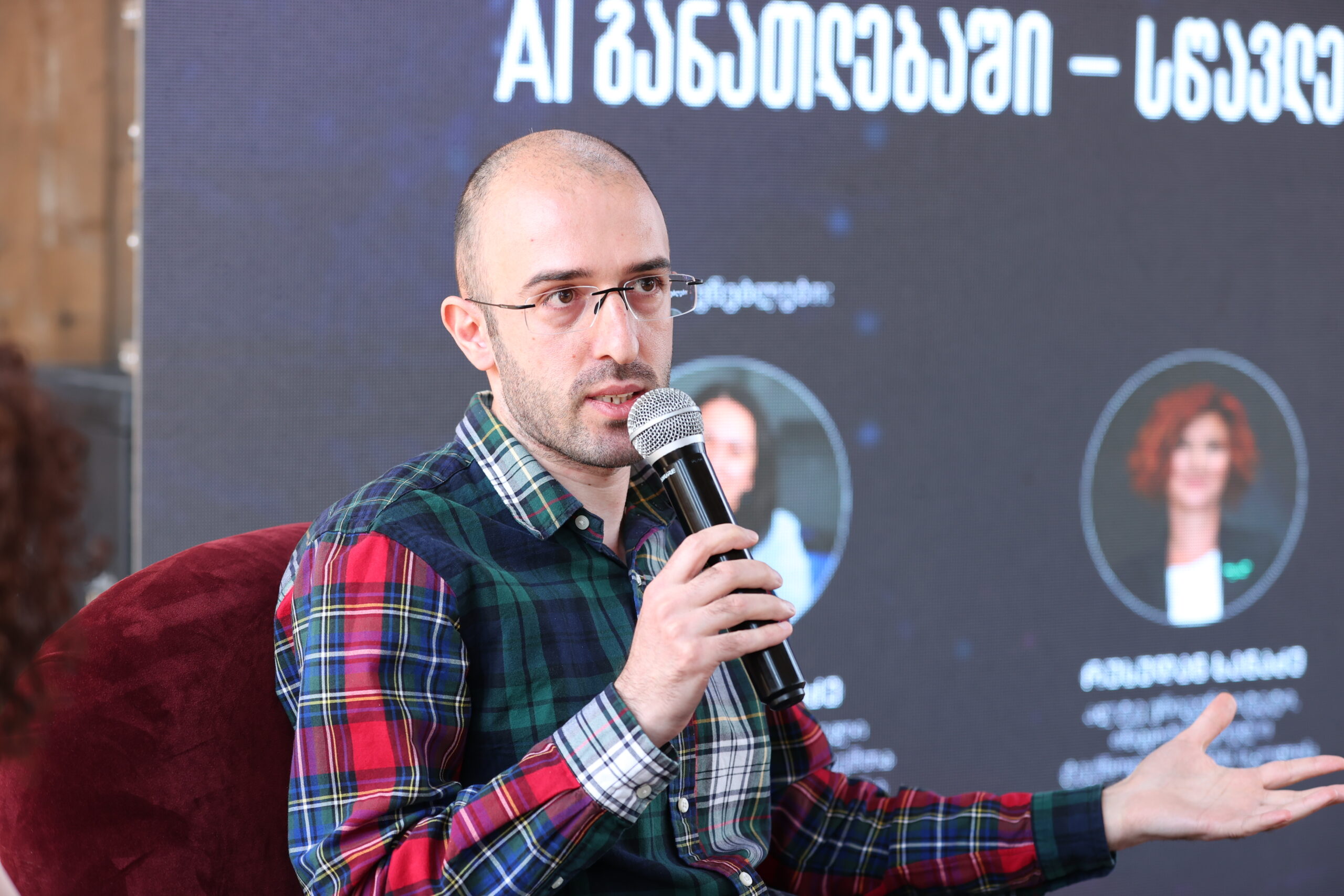
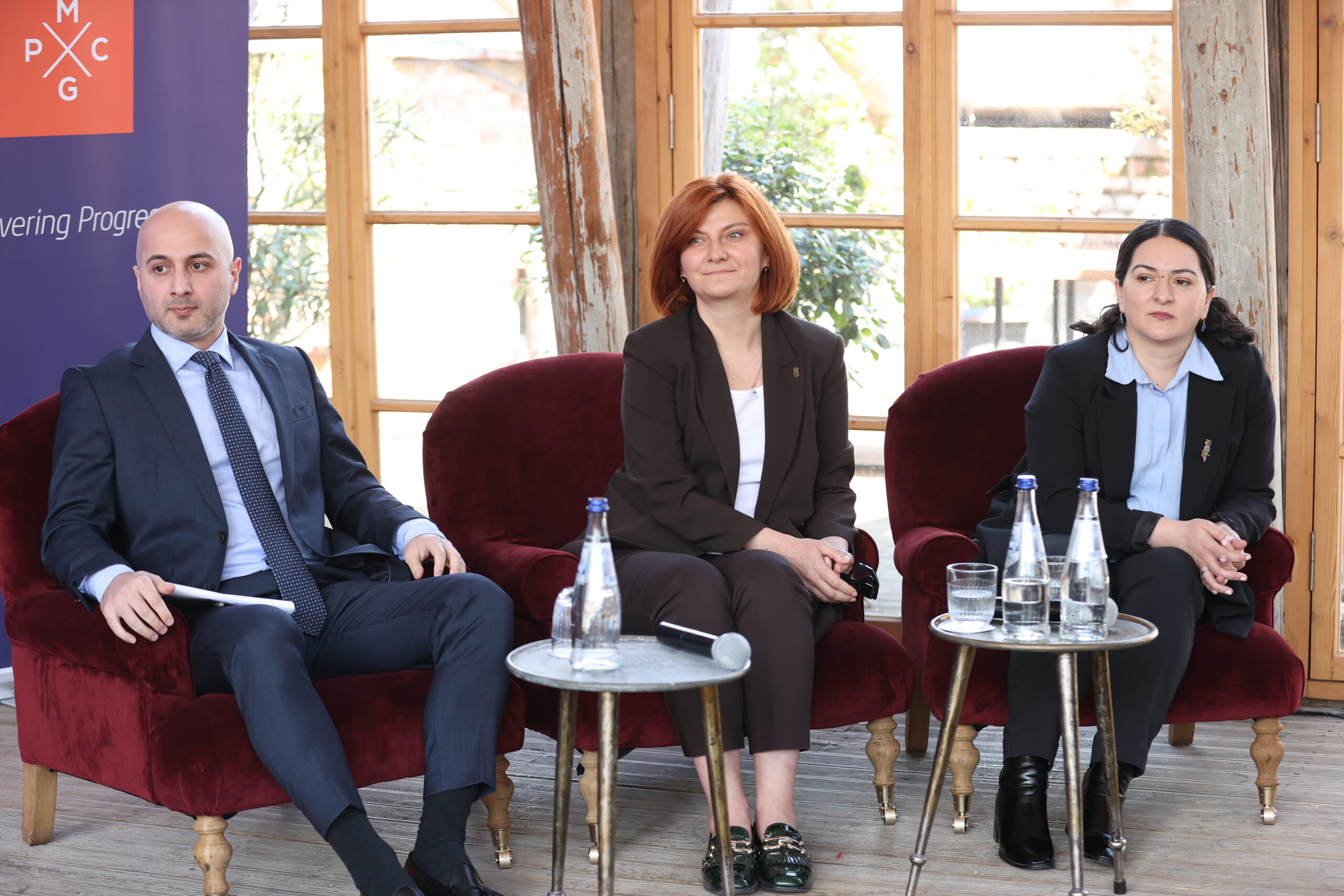

Throughout these discussions, participants contributed diverse perspectives, creating a balanced and forward-looking exchange.
Looking Ahead
The Georgia’s AI Readiness Forum concluded with a reflection on key insights and future directions. The discussion highlighted the importance of continued collaboration, knowledge sharing, and gradual capacity building across the ecosystem.
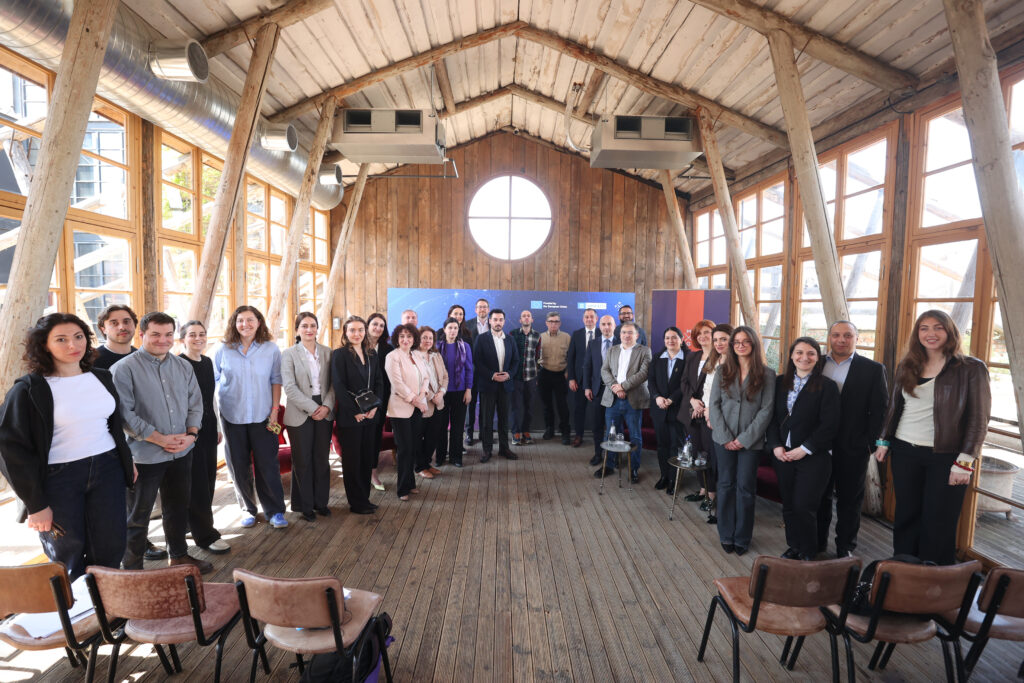
As part of the UNESCO-led initiative, the forum contributes to shaping practical pathways for ethical AI development in Georgia. The Georgia’s AI Readiness Forum remains a meaningful step toward fostering a responsible, inclusive, and innovation-driven AI landscape.

Featured Project