Six Eco-Smart Ideas Move from Concept to Implementation in Georgia
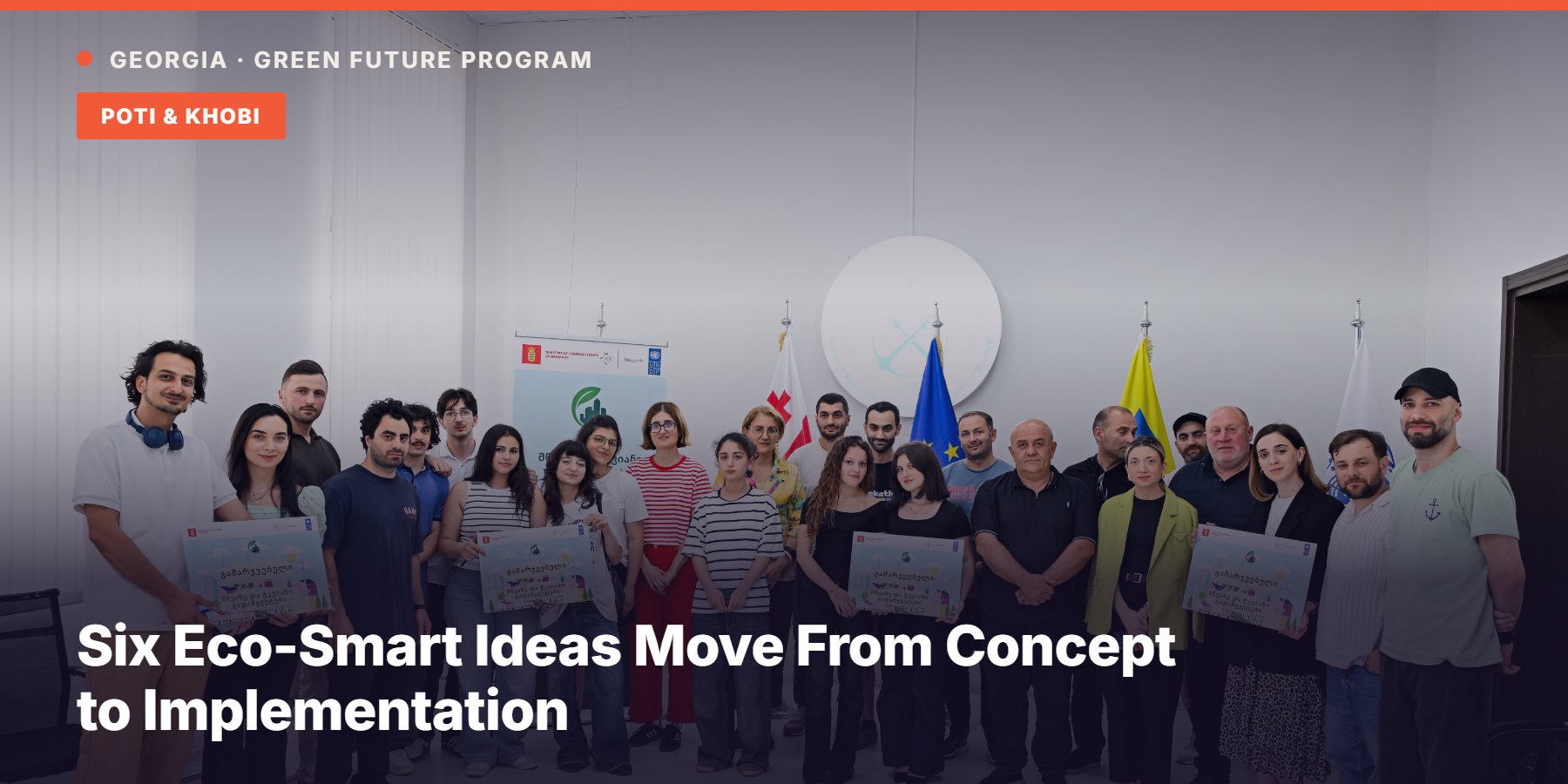

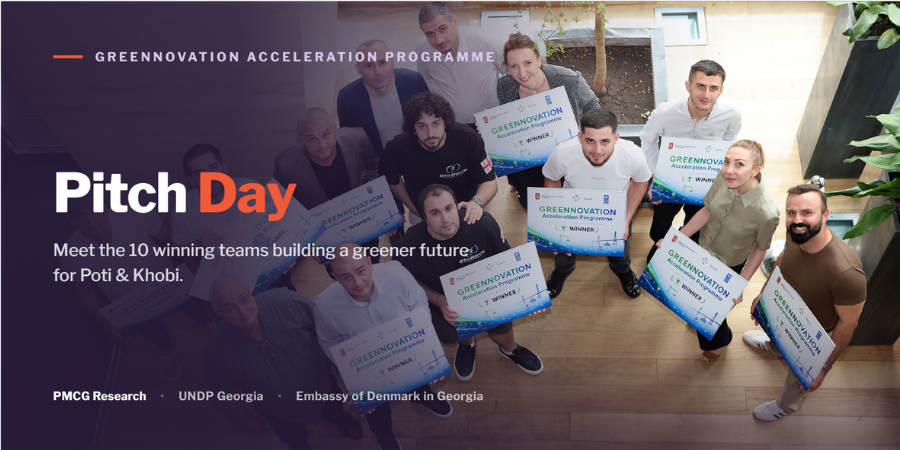
Six local initiatives have been selected as winners of the first two Local Eco-Smart Initiatives Challenges in Poti and Khobi municipalities, held under “Greening the Future: Advancing Rights and Stability”, a project implemented by UNDP with funding from the Government of Denmark, with PMC Research Center serving as implementing partner.
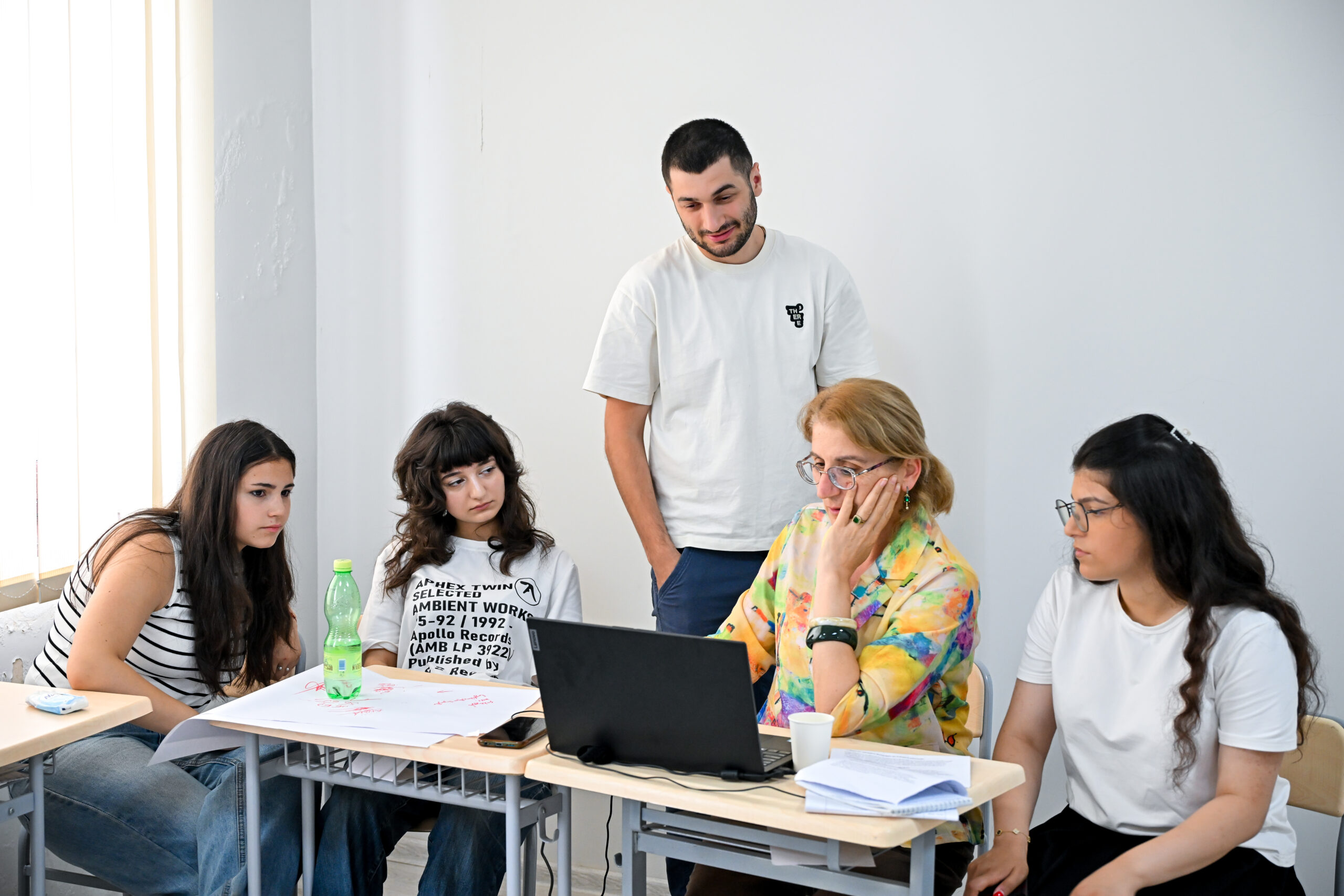
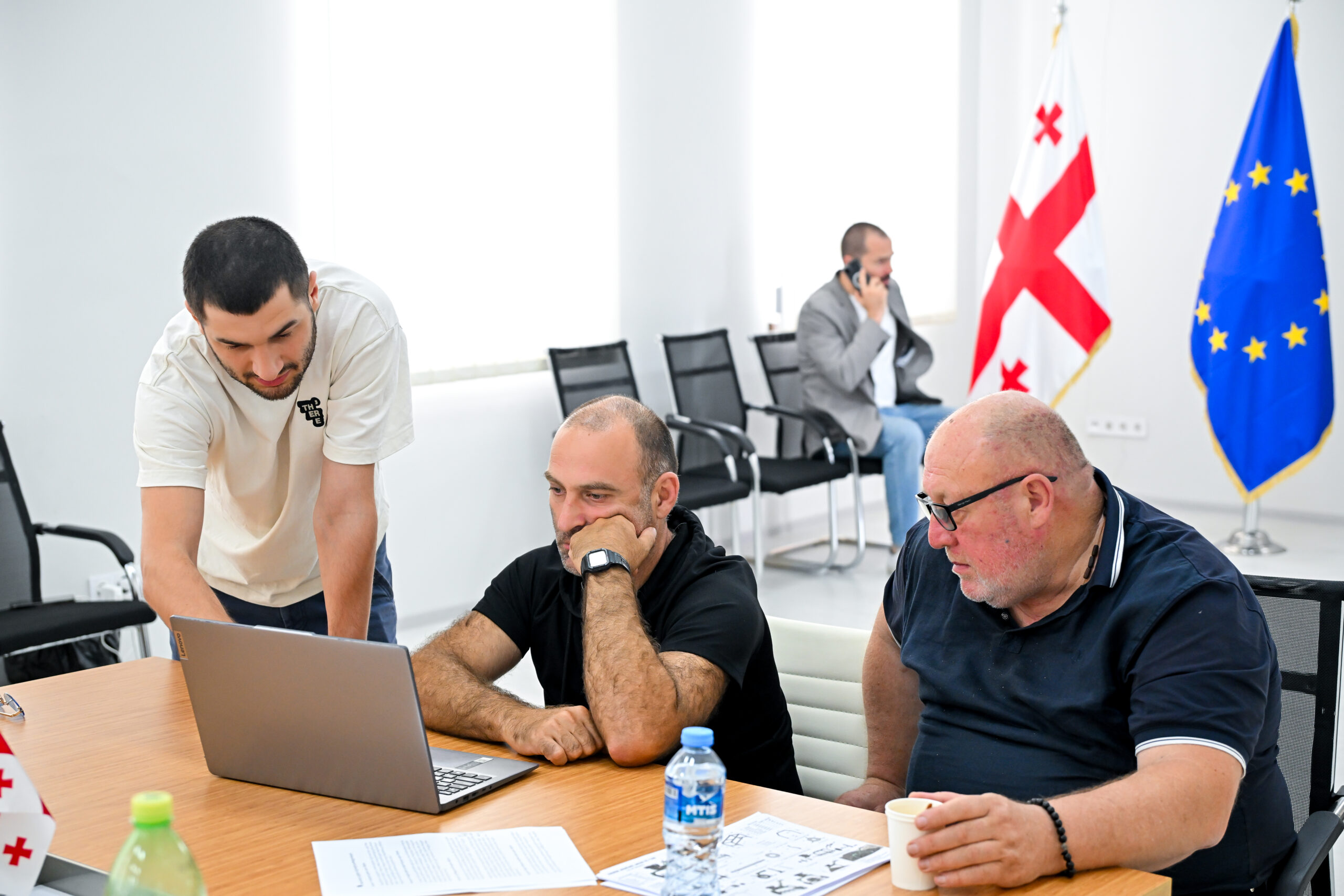


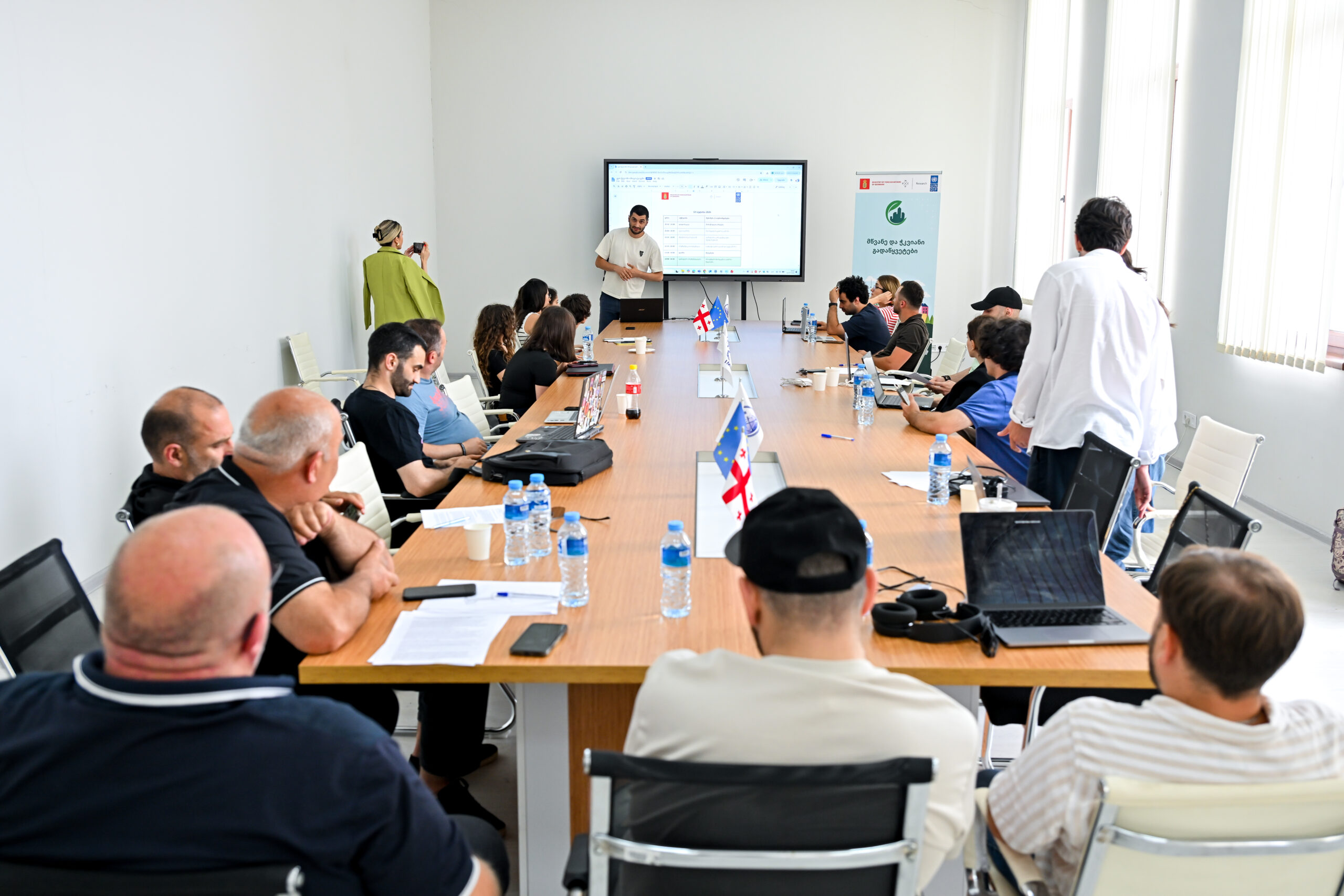
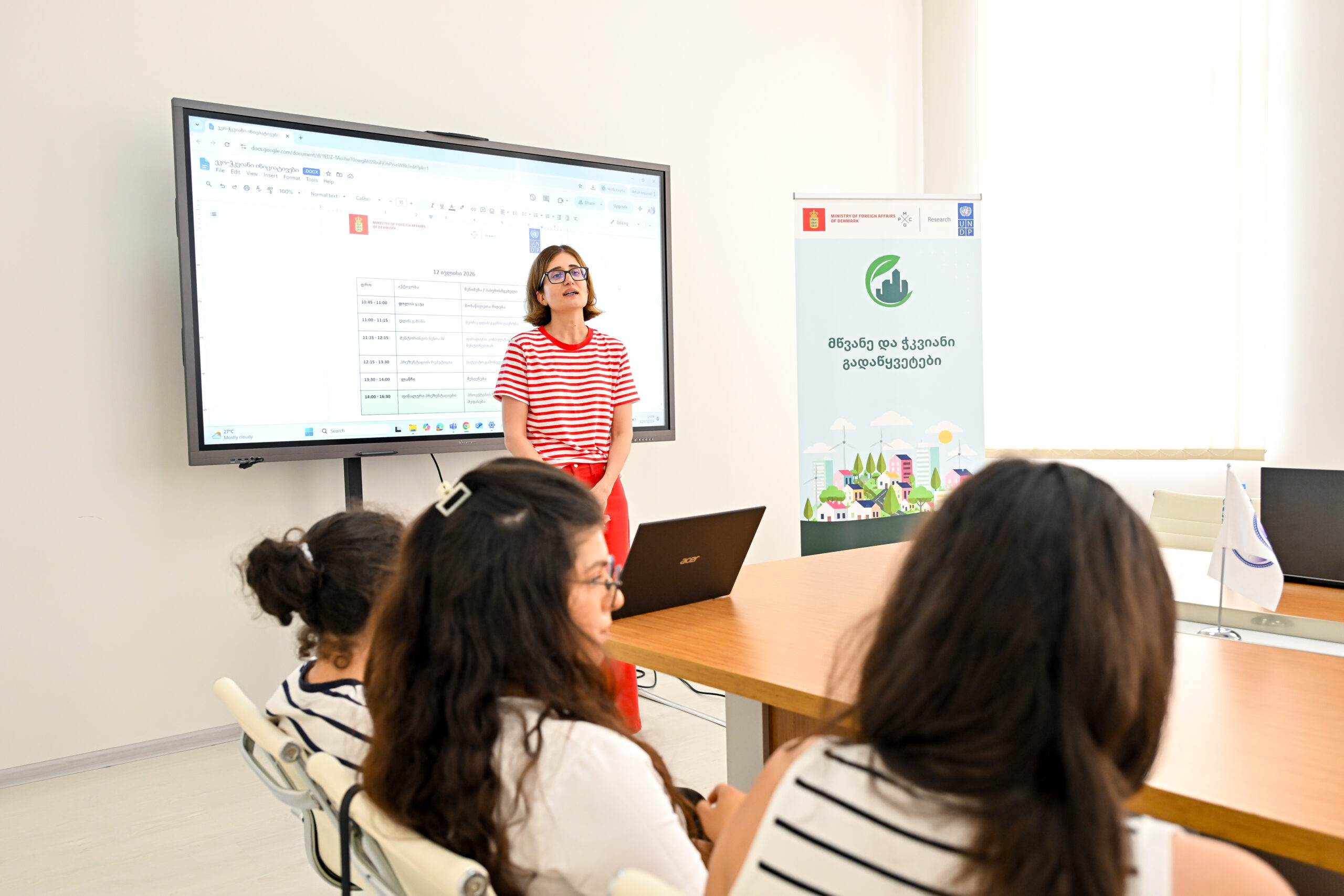


The Challenge model is built on a straightforward premise: the people who live with a local problem are best positioned to design the solution to it. The first Challenge was open to members of the Green Leadership Program, a flagship GFP initiative that now connects 35 representatives from 22 organizations across Samegrelo. The second was open to the wider public. Winning teams receive funding, mentorship in green innovation and business development, and technical support to move from idea to working prototype.
What links the six initiatives is a shared logic rather than a shared technology: each treats a local liability as an underused local resource.
Challenge I: Green Leadership Program
Shared electric mobility for Poti. An e-bike sharing service will offer residents and visitors a clean, fast, and affordable way to move around the city. Beyond emissions reduction, the initiative tests whether demand for low-carbon mobility exists in a mid-sized Georgian port city, and makes green transport visible in daily routine rather than in policy documents.
A vertical garden and learning laboratory at Kheta Public School #1. The school will host a vertical garden alongside a modern teaching laboratory where students study plant care, agricultural technology, and environmental issues in practice. The initiative converts a school into a demonstration site for eco-education, building practical skills and environmental awareness at the same time.

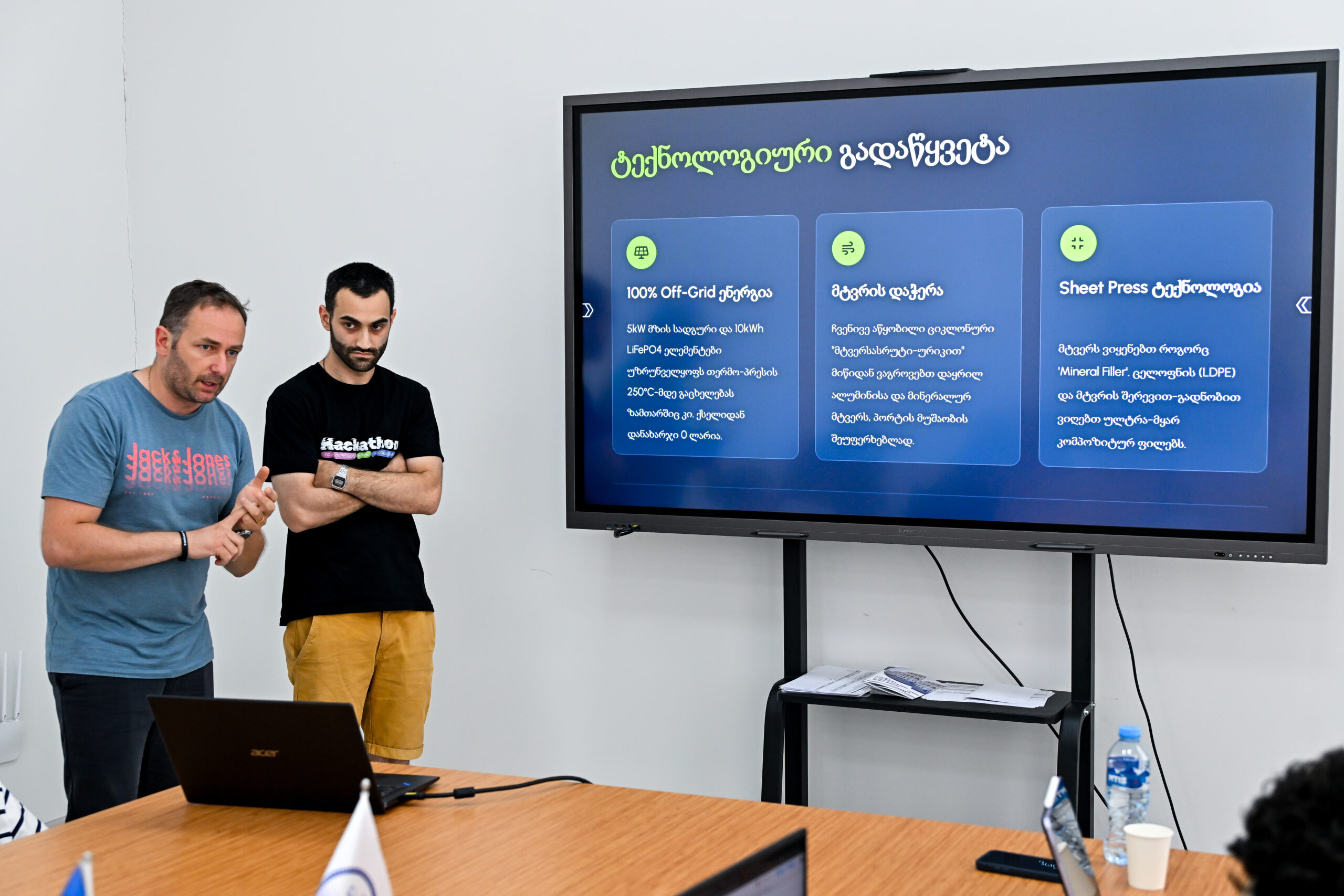
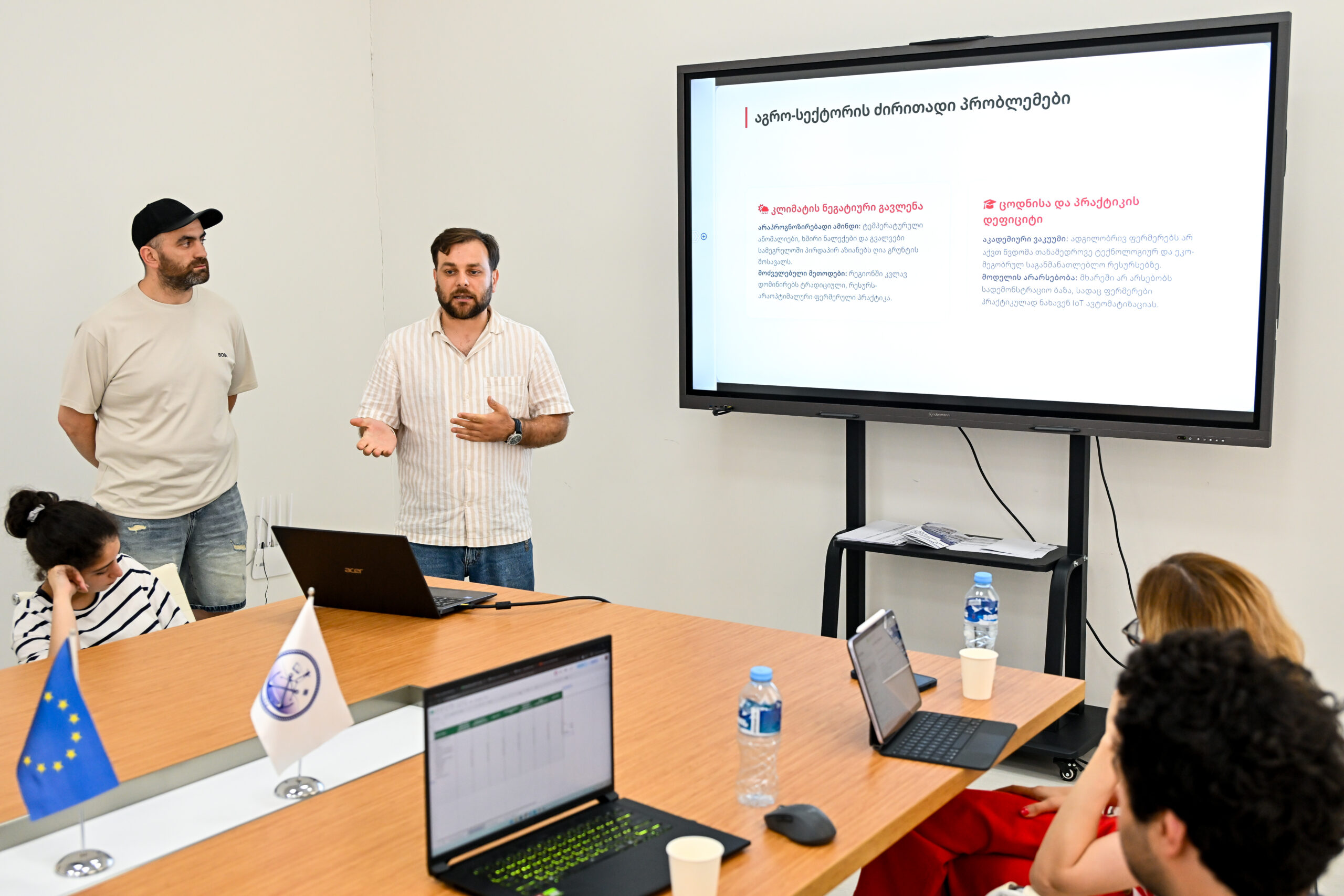
Challenge II: Open Public Call
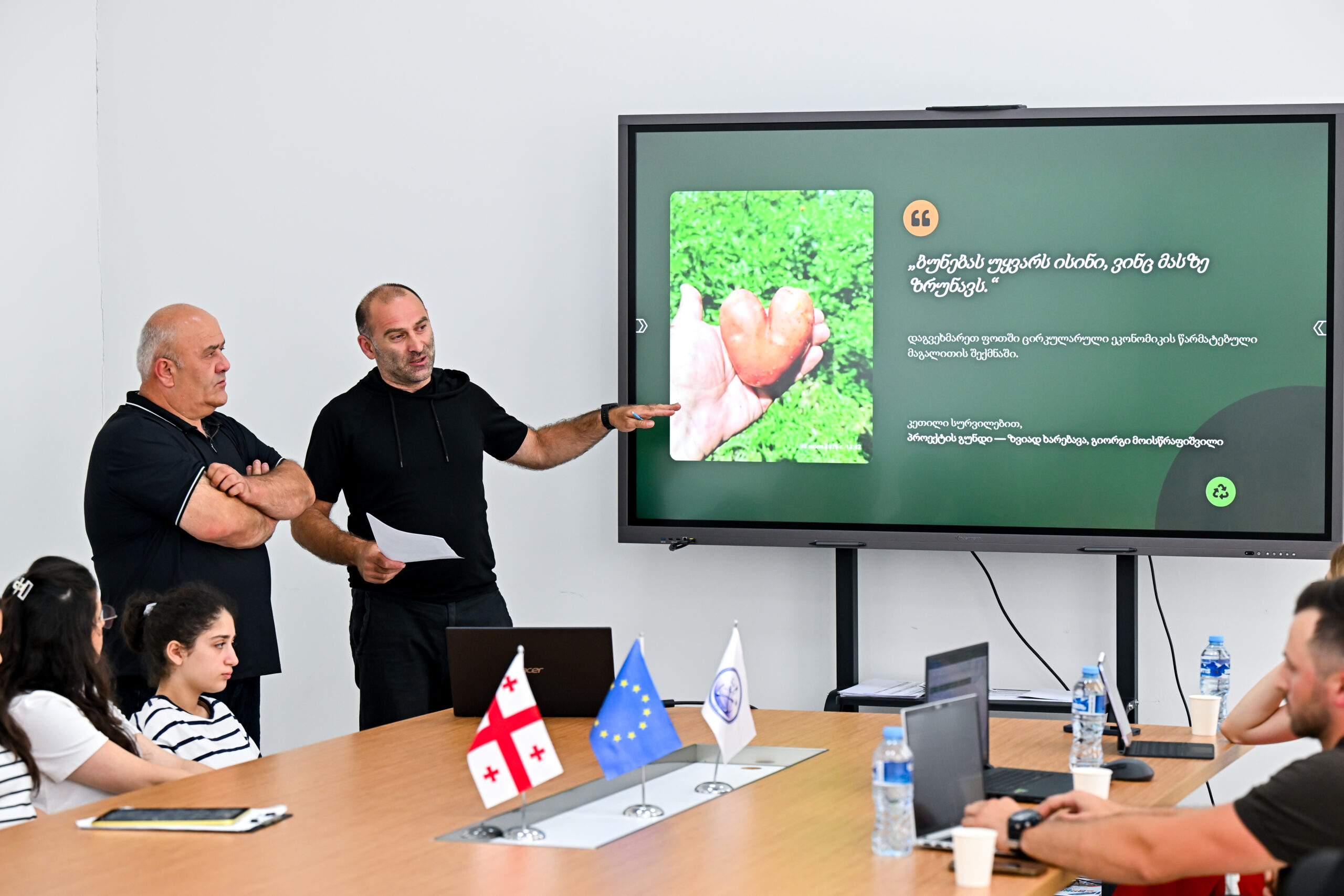
From waste to urban greenery. A vermicomposting demonstration centre in Poti will process organic waste into biohumus using California red worms, with the resulting compost feeding a demonstration garden and small-scale city greening efforts. In a city defined by its port and its waste streams, the initiative offers a visible, replicable model of the circular economy.
An innovative vertical agro-laboratory. Led by the “Kibe” Sunday school, Poti Public School #1 will host a solar-powered smart vertical hydroponics laboratory where students learn modern agricultural technologies hands-on. The eco-produce grown there will be sold through a community eco-market, joining environmental education, technology, and entrepreneurship in a single space.
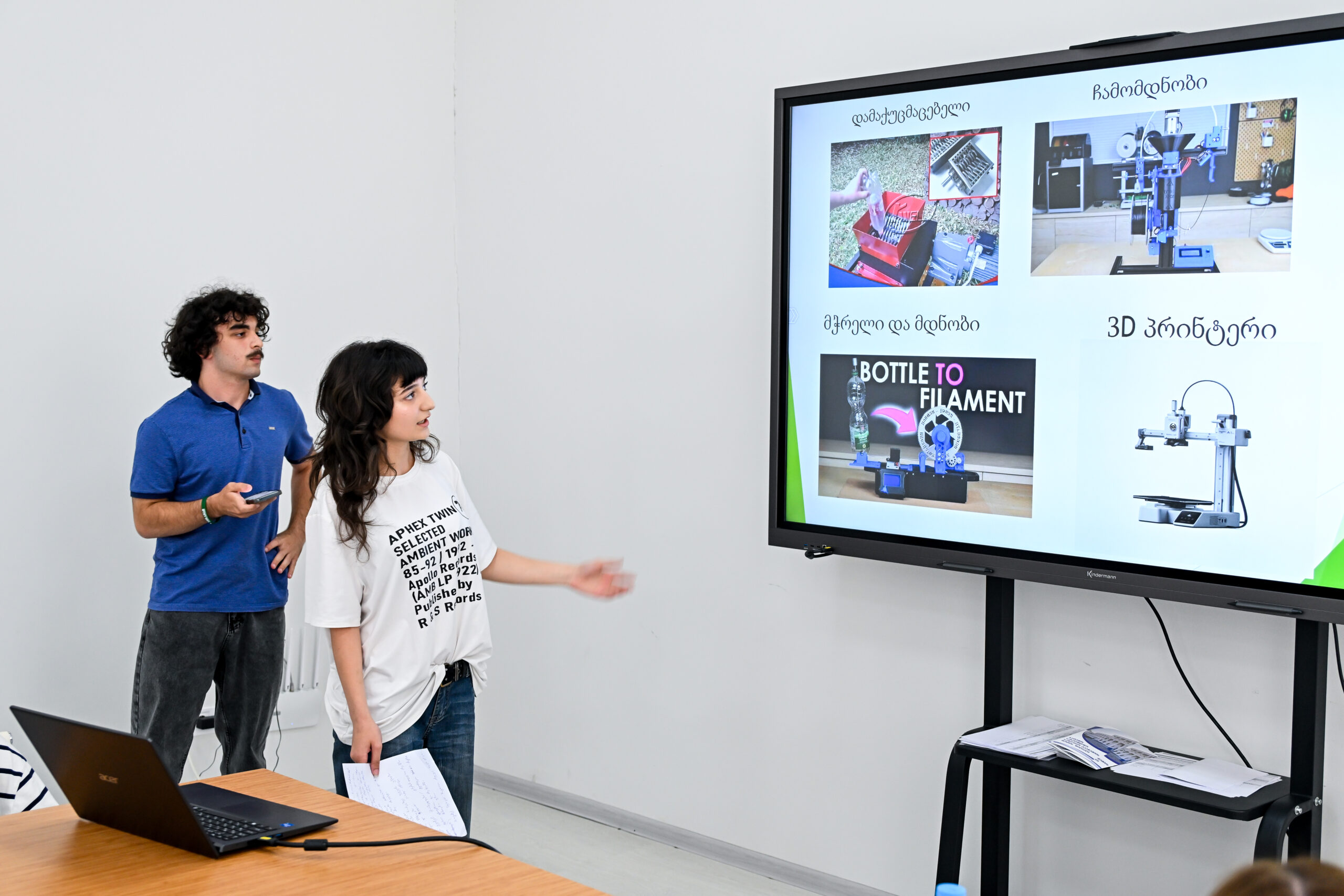
Eco-FabLab. The initiative recycles plastic waste into 3D printing material, which students then use to produce objects and components independently. It combines green energy, digital technology, social responsibility, and circular economy principles, and leaves behind a manufacturing skill rather than a one-off product.
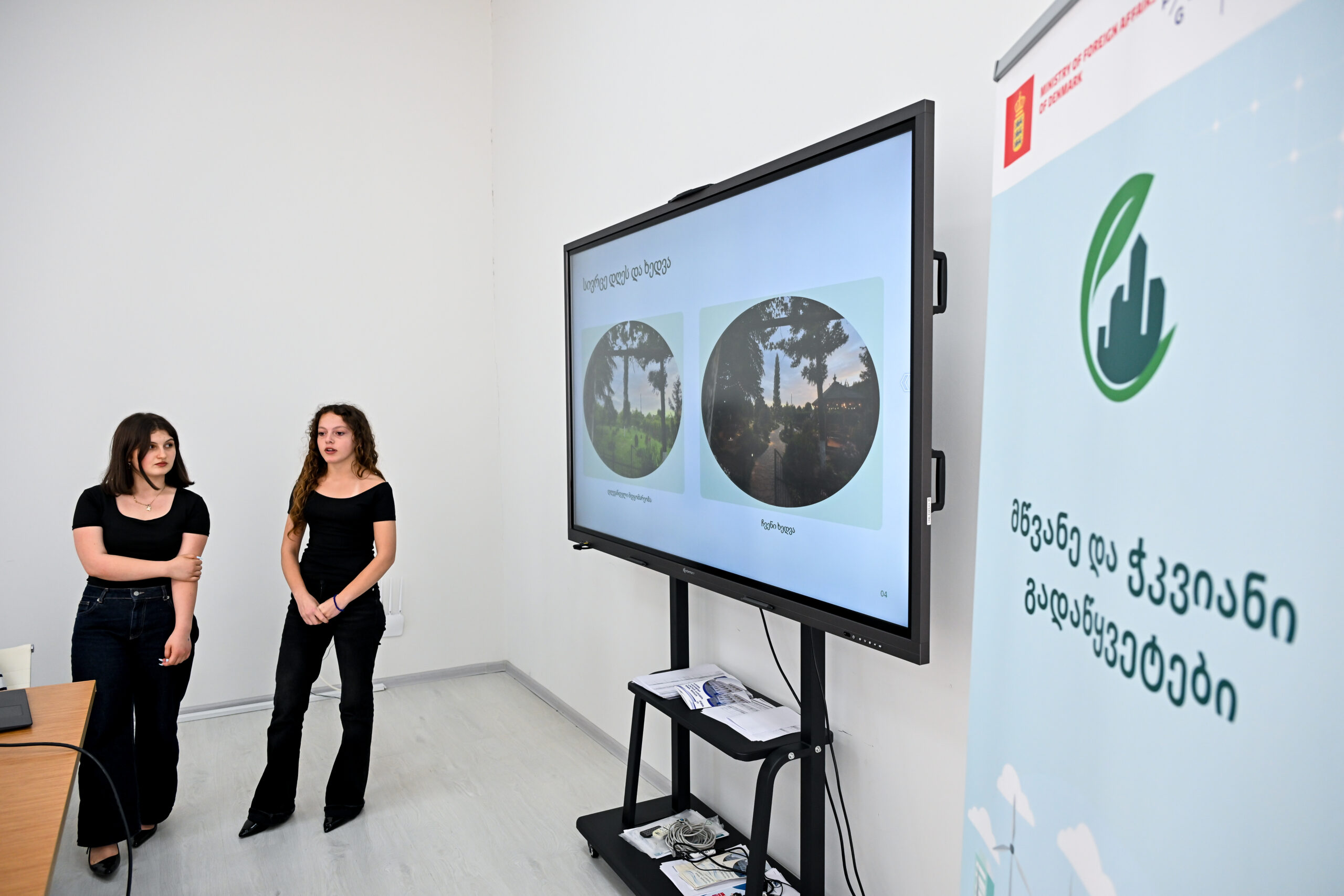
A green public space for the village of Kheta. The central square of Kheta will be rehabilitated with energy-efficient lighting, solar panels, and new landscaping, creating a safe, environmentally sustainable, and comfortable public space that serves residents and visitors daily. Under the GFP framework, at least 12 initiatives are to be supported across four Challenges, with seven implemented during 2026.
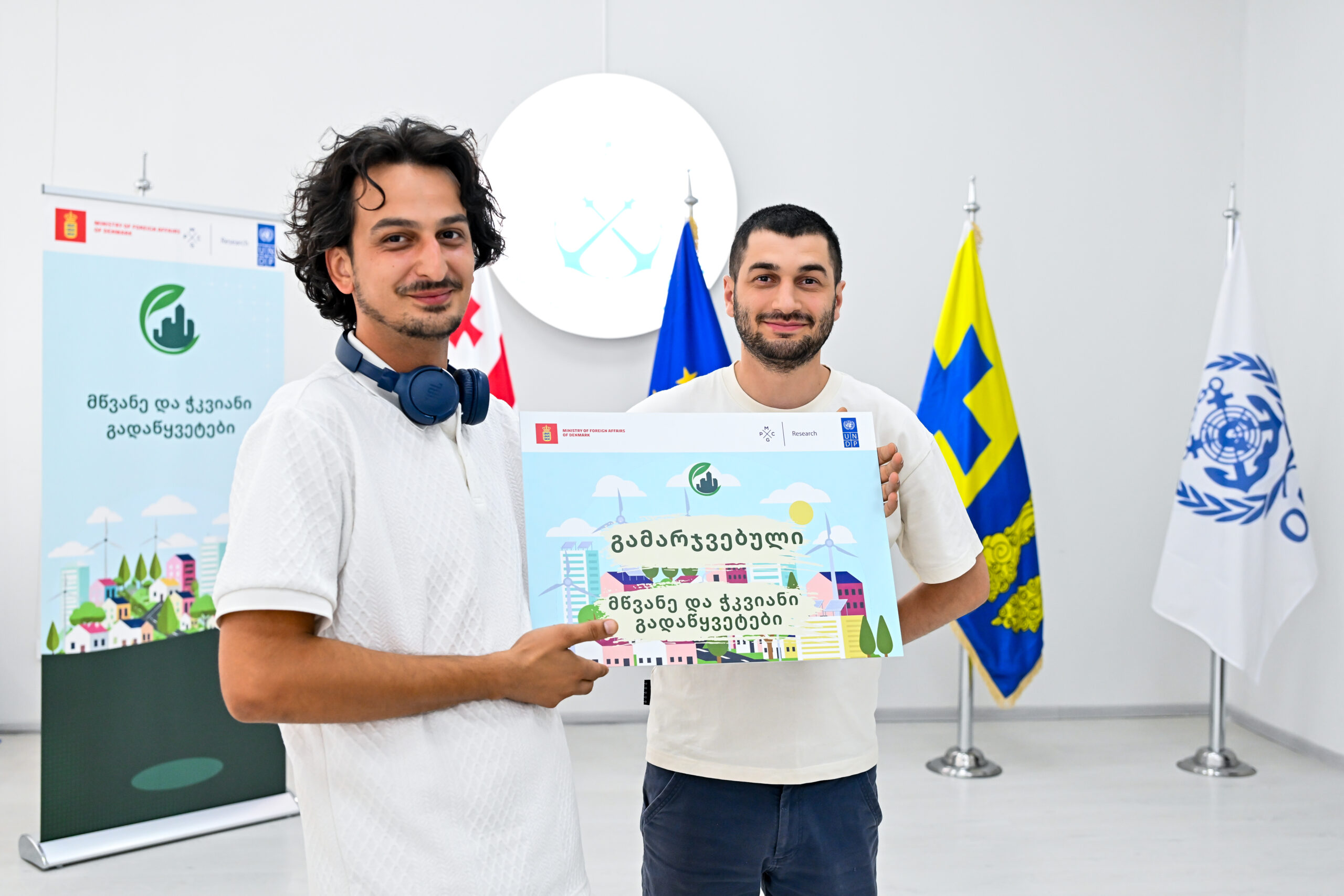
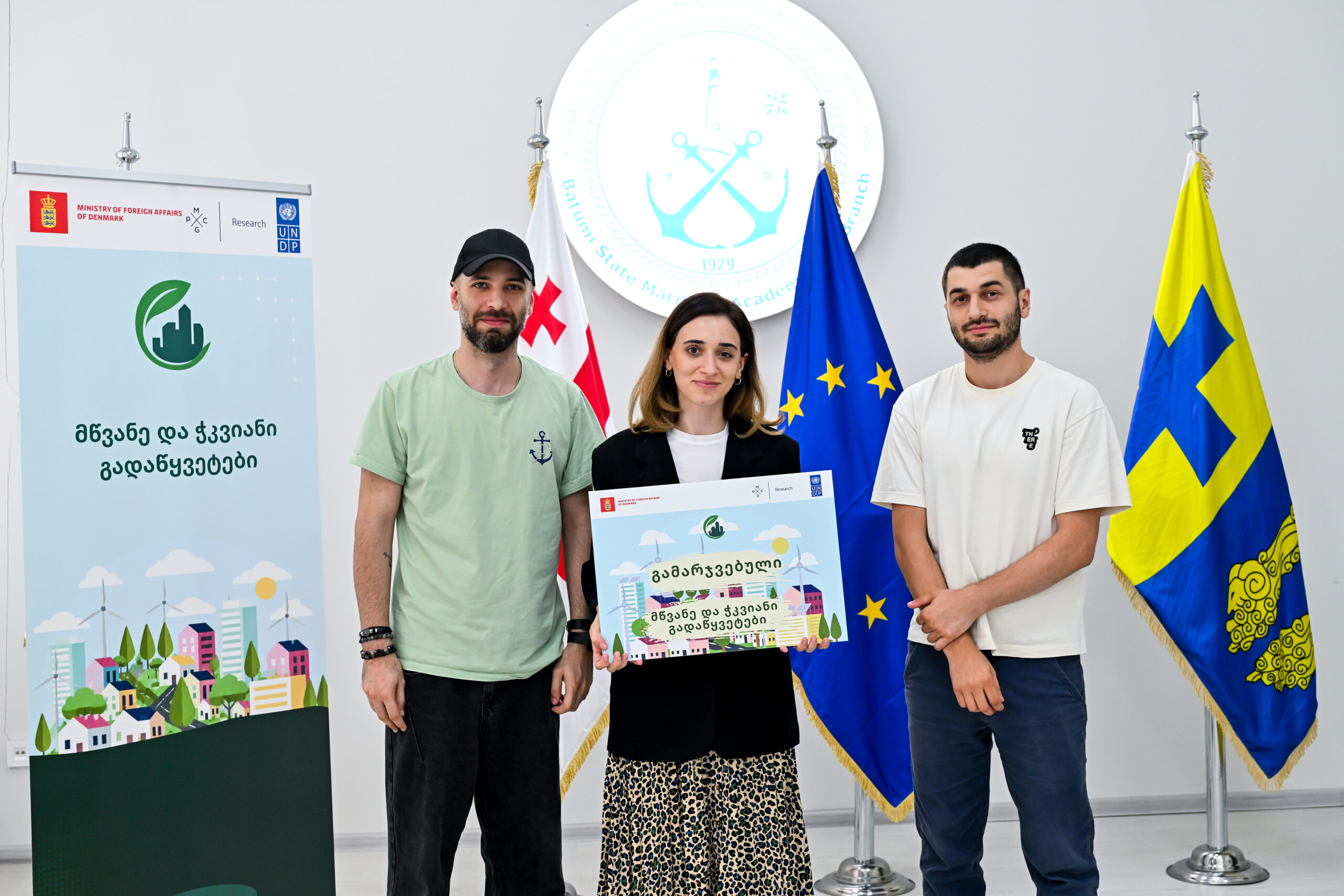
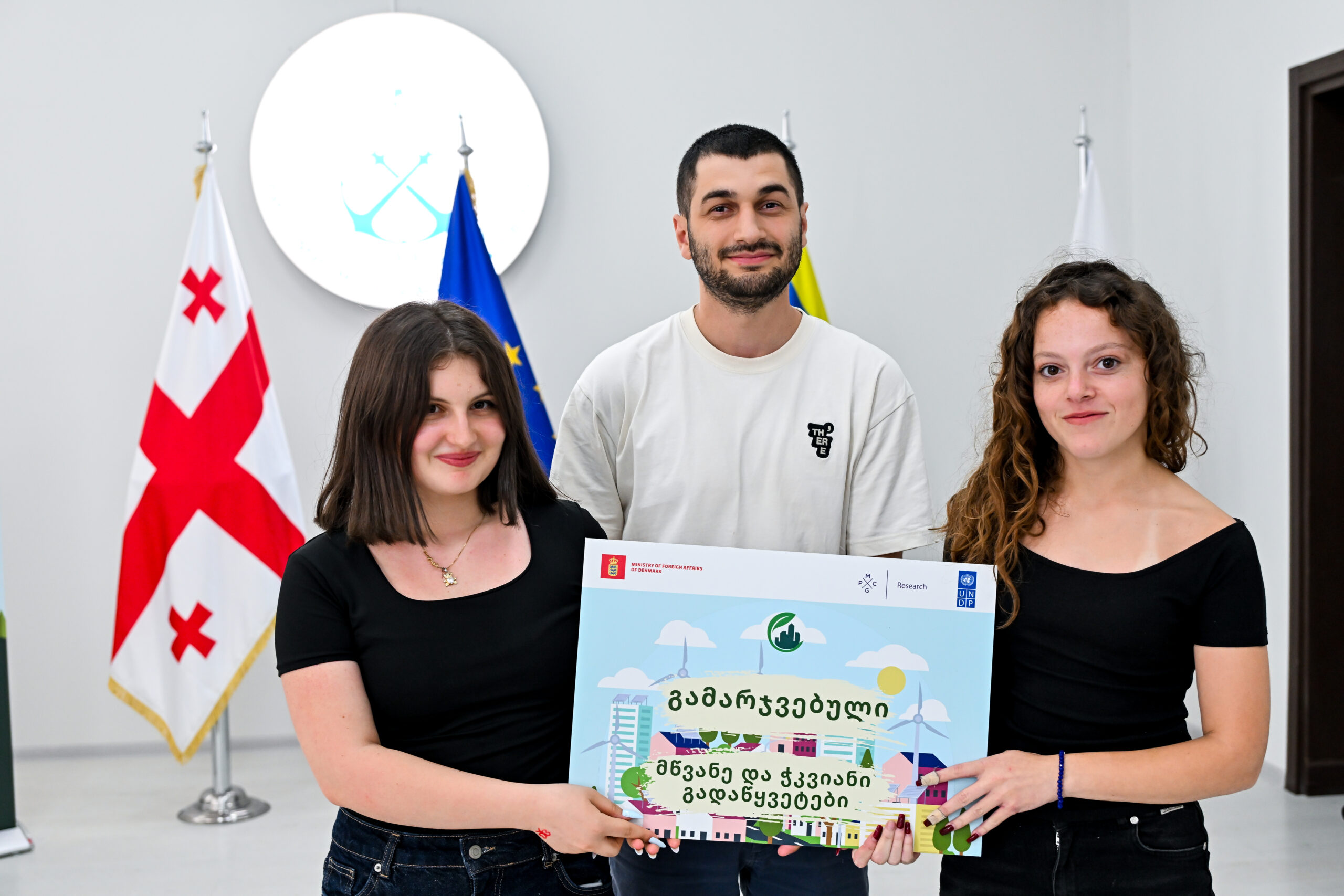
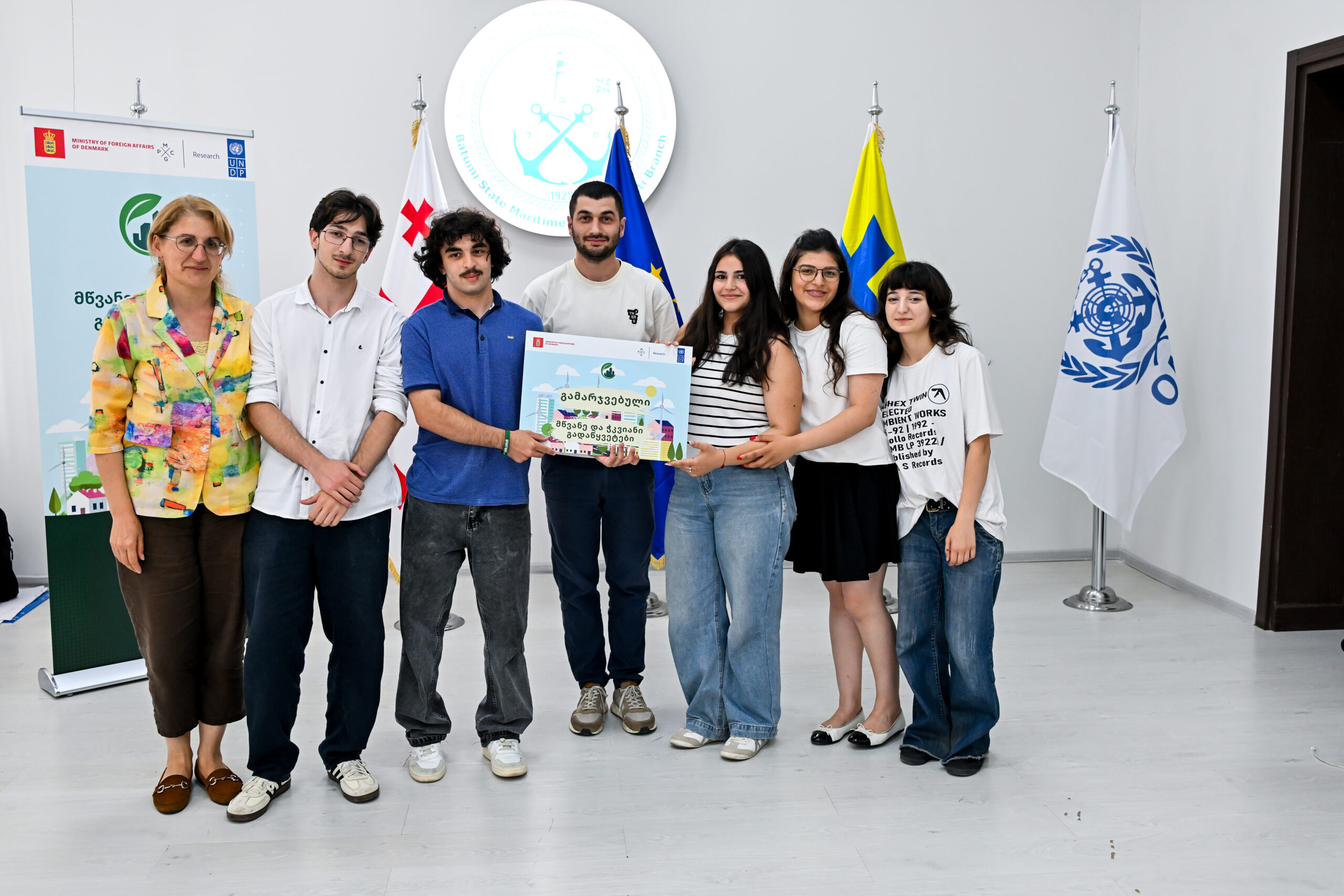
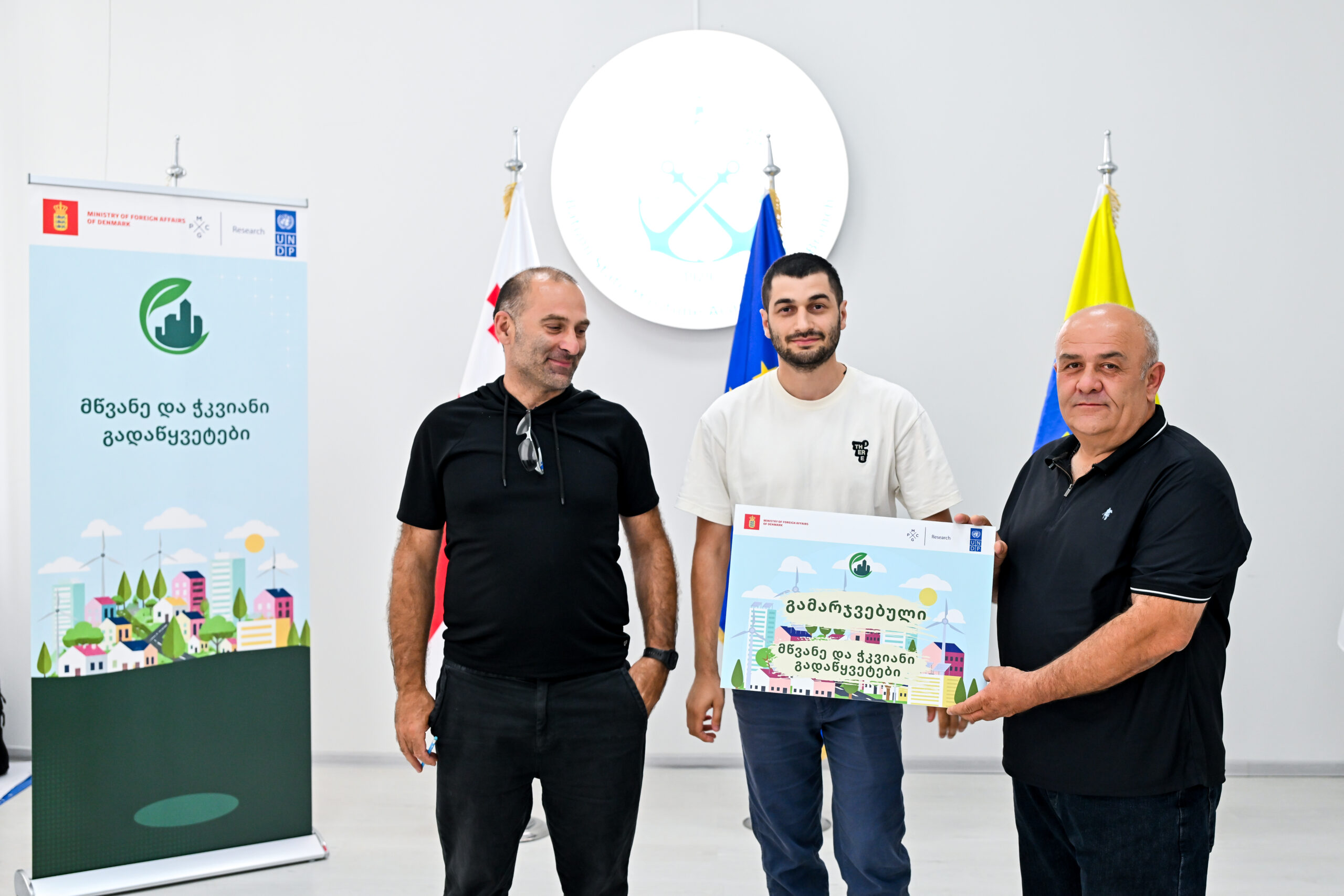
Together, the first six show what the green transition looks like when it is designed locally: a school laboratory, a village square, a shared bicycle, and a 3D printer.